Growing Japanese citrus in a container or garden
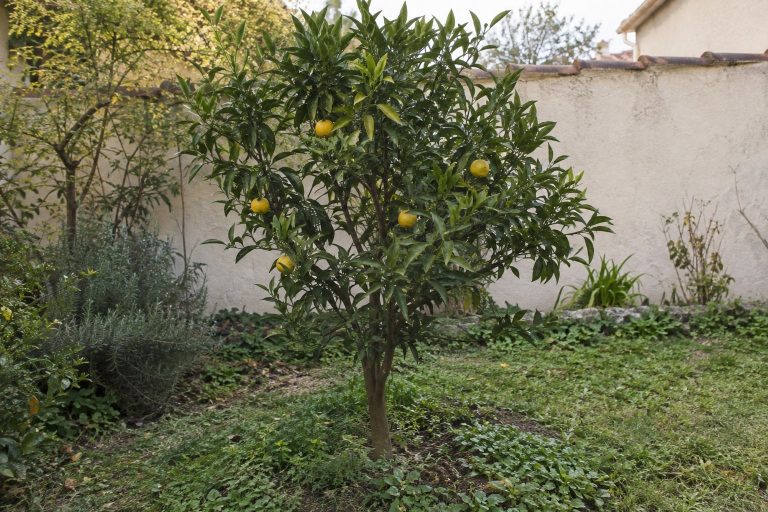
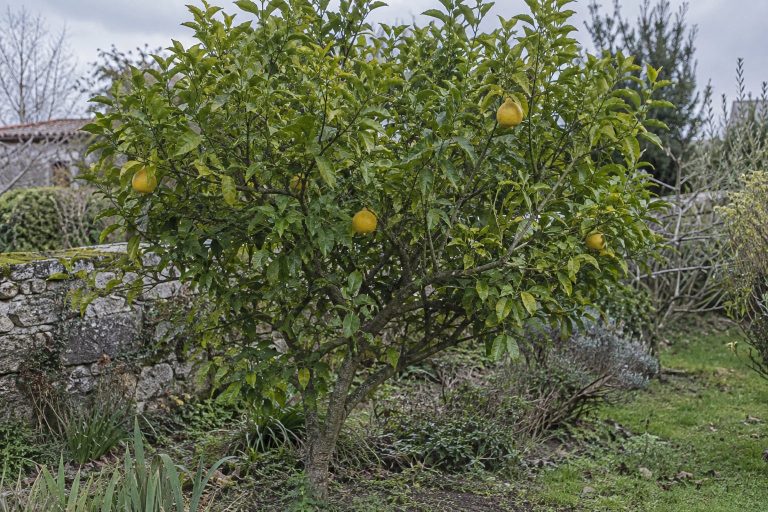
Choose the growing method according to the plant and your site. In-ground growing lets it develop its roots; a container makes moving it easier. In both cases, allow enough space for growth and convenient access for harvesting.
Rootstock matters too: UF/IFAS describes its influence on vigor and soil adaptation. Ask for this combination to be specified before planting. A cultivar valued in the kitchen may need more space or different conditions than you can provide.
References: Royal Horticultural Society — Trees in containers · UF/IFAS — Rootstock and Scion Selection
Adapting care to the harvest you want
Pollination deserves checking before purchase. Satsumas can form fruit without fertilization; Hyuganatsu usually requires compatible pollen, with exceptions depending on the selection. Buying two Japanese citrus at random therefore does not always solve an absence of fruit.
UF/IFAS also notes the low growth habit of satsumas: watch loaded branches so that fruit does not rest on the ground. For container plants, check moisture before each watering and let excess water drain away. One watering schedule does not suit every pot.
References: UF/IFAS — The Satsuma Mandarin · University of Miyazaki — Hyuganatsu research · Royal Horticultural Society — Growing citrus
Does Japanese origin guarantee cold tolerance?
No: this collection brings together different citrus and several selections. Compare their individual indicators, then account for establishment, wind and acclimation. A tree that survives winter may lose its fruit; a harvest goal therefore calls for separate protection.
Also protect containers left outdoors: their roots are exposed to cold near the walls. Check the desired ripeness before preventive picking: a seasoning fruit used green and a fruit awaited for its sweetness serve different goals.
References: UCR — Sudachi, CRC 3471 · UF/IFAS — The Satsuma Mandarin · Royal Horticultural Society — Trees in containers · UF/IFAS — Winter Plant Protection
Juice, zest or segments: when should you pick?
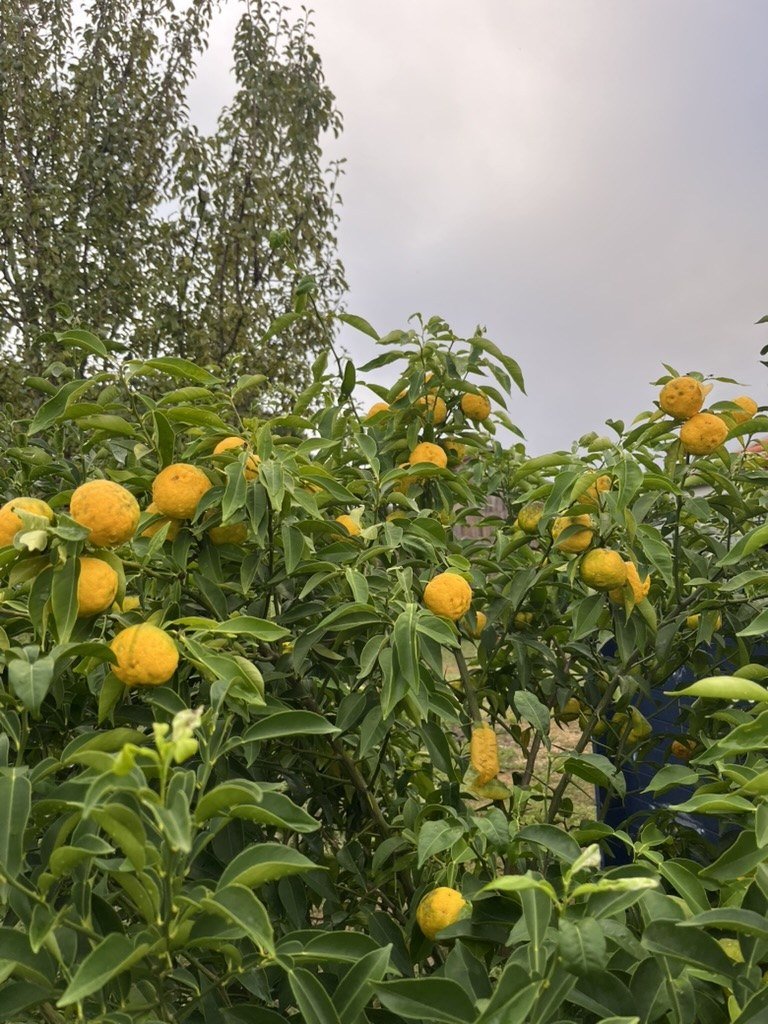
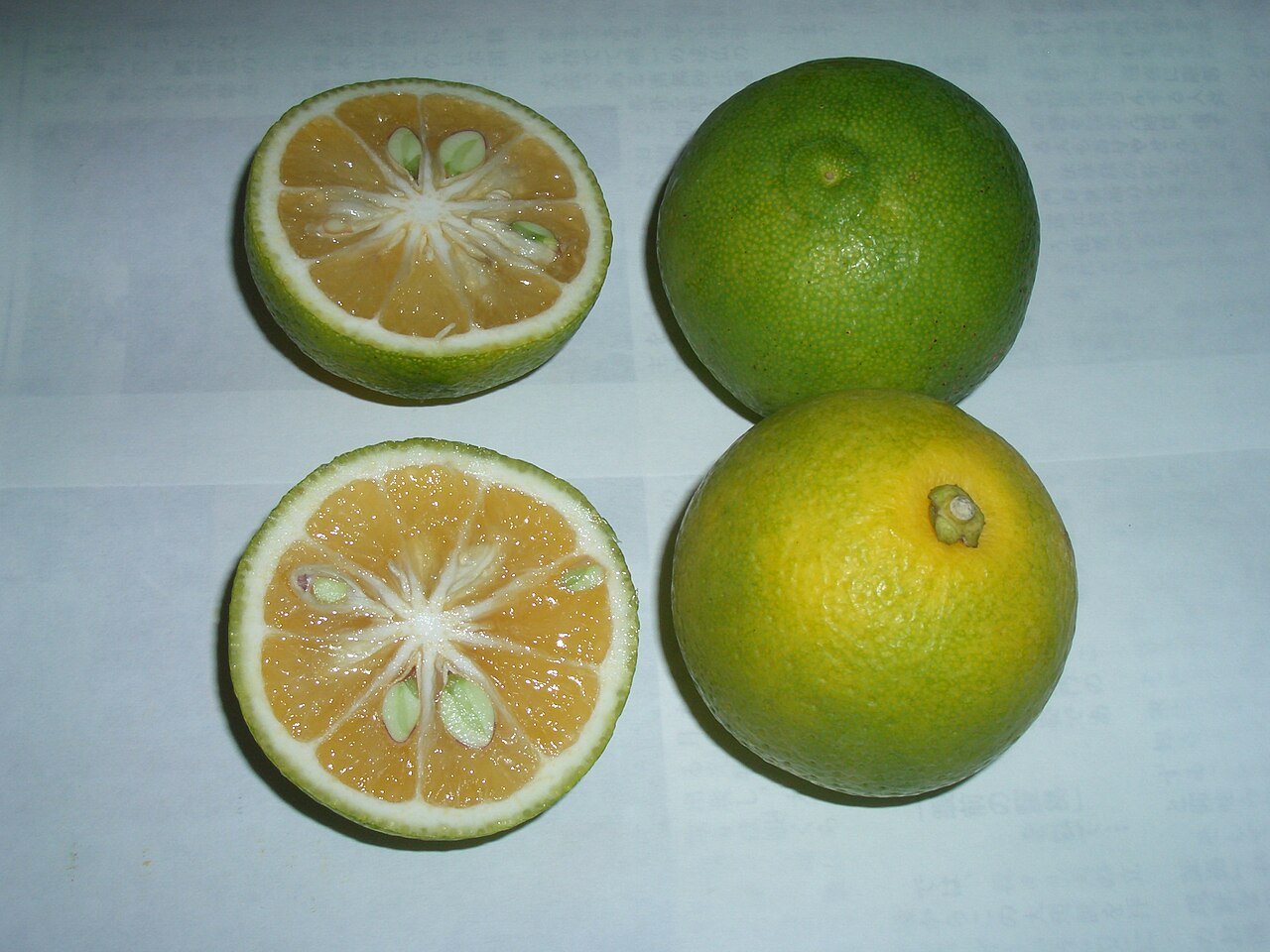
The right harvest depends on the use. Sudachi is traditionally picked green for its juice and fragrance. Kabosu accompanies fish and soups, among other dishes. A satsuma is chosen for its flavor balance: in UF/IFAS subtropical observations, the pulp can be ripe before the skin is fully colored.
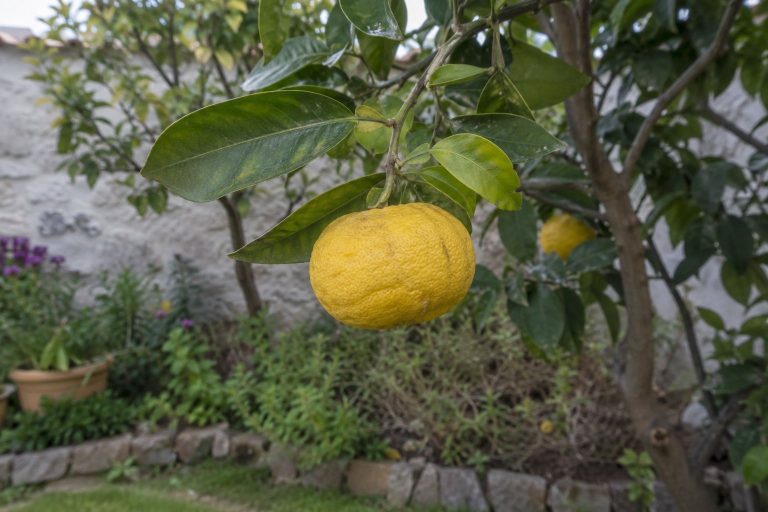
At Riverside, UCR finds kabosu less acidic than the yuzu and sudachi studied; this result does not rank every selection. Taste a fruit and adjust the amount in the dish. Foreign seasons are not a universal calendar for France.
References: UCR — Sudachi, CRC 3471 · UCR — Kabosu, CRC 3943 · UF/IFAS — The Satsuma Mandarin
What does “Japanese citrus” mean in this collection?
It is a horticultural and cultural category, not a botanical species. It brings together citrus associated with Japan, its selections and its uses. A fruit may therefore appear here and in another family on the site: the two browsing routes answer different questions.
UCR describes Kiyomi as a Miyagawa-wase × Trovita cross developed at Okitsu. The Yuzus and Papedas route compares another horticultural grouping; this page focuses on flavors and uses for the harvest.
References: UCR — Kiyomi, CRC 3952 · UCR — Papedas and their hybrids
Frequently asked questions about Japanese citrus
Which Japanese citrus should I choose for fresh eating?
Start with satsumas, including Owari, for their segments. Kiyomi offers another option: UCR describes juicy fruit with an orange fragrance. Then check the selection’s space requirements and ripening conditions.
Is sudachi a small yuzu?
Sudachi is a distinct citrus at UCR. Its small fruit is sought green for its seasoning juice and its own fragrance. Visual resemblance does not mean varieties can automatically be substituted.
How do you eat Hyuganatsu?
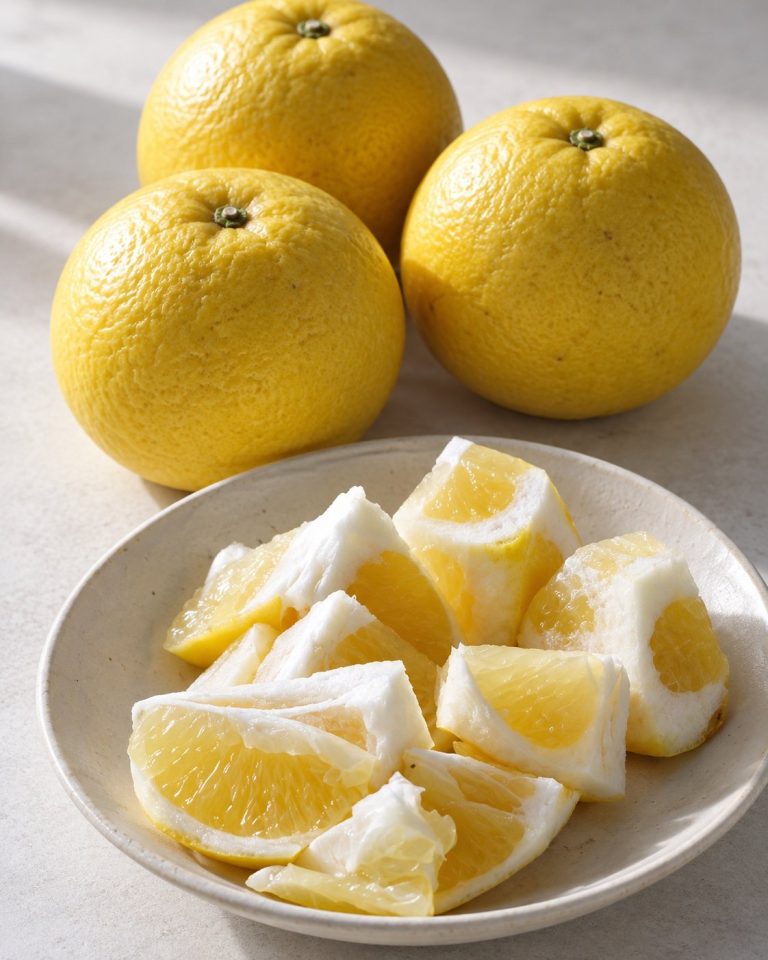
Thinly remove the colored skin while retaining the white layer around the pulp. The University of Miyazaki describes the sweetness of this albedo, eaten with the segments. Remove seeds according to the fruit and your preference.
Do you need two Japanese citrus trees to harvest fruit?
It depends on the cultivar. A satsuma can fruit without fertilization, while Hyuganatsu usually requires a compatible partner. Have the offered plant’s needs confirmed rather than applying one rule to the whole collection.
Can kabosu replace lemon?
Yes, in certain seasoning uses such as fish or soup. Its fragrance changes the result: add juice gradually and taste. This culinary substitution does not mean the two trees have identical needs.
Which Japanese citrus should I keep on a small balcony?
Compare plant vigor, rootstock and overwintering space. The fruit’s name is not enough. The container must remain accessible for watering and movable if protection becomes necessary.
Sources and method
A documentary synthesis from the encyclopedia, published by Léo, an amateur gardener on the Arcachon Basin, in USDA zone 8b. Japanese and university sources describe uses, flavors and growing. The category is a horticultural and culinary entry point: it guarantees neither identical origin nor shared cold hardiness. The cited sources are documentary; this page does not report a personal freezing trial.
- UCR — Yuzu, CRC 1216
Identity, probable parentage, thorny tree and fruit uses; accession and historical observations distinct from commercial selections.
- UCR — Sudachi, CRC 3471
Small seasoning fruit harvested green, fragrance and juice; Riverside observations not transferred to the site’s clones.
- UCR — Kabosu, CRC 3943
Culinary uses and acidity comparison at Riverside; the page’s contradictory parentage hypotheses are not repeated.
- UF/IFAS — The Satsuma Mandarin
Fresh-eating fruit, low branches, fruiting without fertilization and possible difference between color and ripeness; subtropical context.
- University of Miyazaki — Hyuganatsu research
Sweet albedo eaten with the pulp and usual need for compatible pollen; varietal exceptions exist.
- UCR — Kiyomi, CRC 3952
Miyagawa-wase × Trovita cross made at Okitsu; juicy fruit with an orange fragrance.
- Royal Horticultural Society — Growing citrus
Care; British context.
- Royal Horticultural Society — Trees in containers
Containers and roots; British context.
- UF/IFAS — Winter Plant Protection
Acclimation, vulnerability of fruit and roots, young shoots and container protection.
- UF/IFAS — Rootstock and Scion Selection
Rootstock, soil and vigor; Florida context.
- UCR — Papedas and their hybrids
Scope of the university collection: papedas and several related citrus, without equivalence between all names.