Variety profile

Harumi Mandarin 1

(Citrus reticulata 'Harumi')

Documented by Léo — grown in the ground, USDA zone 8b

Harumi mandarin (Citrus reticulata 'Harumi') is a late Japanese selection from a cross between the Kiyomi and Ponkan mandarins, regarded as one of the world’s premium mandarins for its exceptional flavor quality. Its tree hardiness reaches 10°F (−12°C), making it suitable for in-ground growing in USDA zone 8a. The vigorous tree reaches 10 to 13 ft (3 to 4 m) with an upright habit, evergreen foliage, and fragrant white flowers. Its bright orange fruit, medium to large at 6.5 to 9 oz (180 to 250 g), with thin skin that is moderately easy to peel, ripens late (February to April), with very juicy, exceptionally sweet flesh, low in acidity, seedless or nearly so, and a complex, refined fragrance. Excellent fresh, as dessert, and in a late-winter fruit bowl. Graft onto Poncirus trifoliata, plant against a south-facing wall.

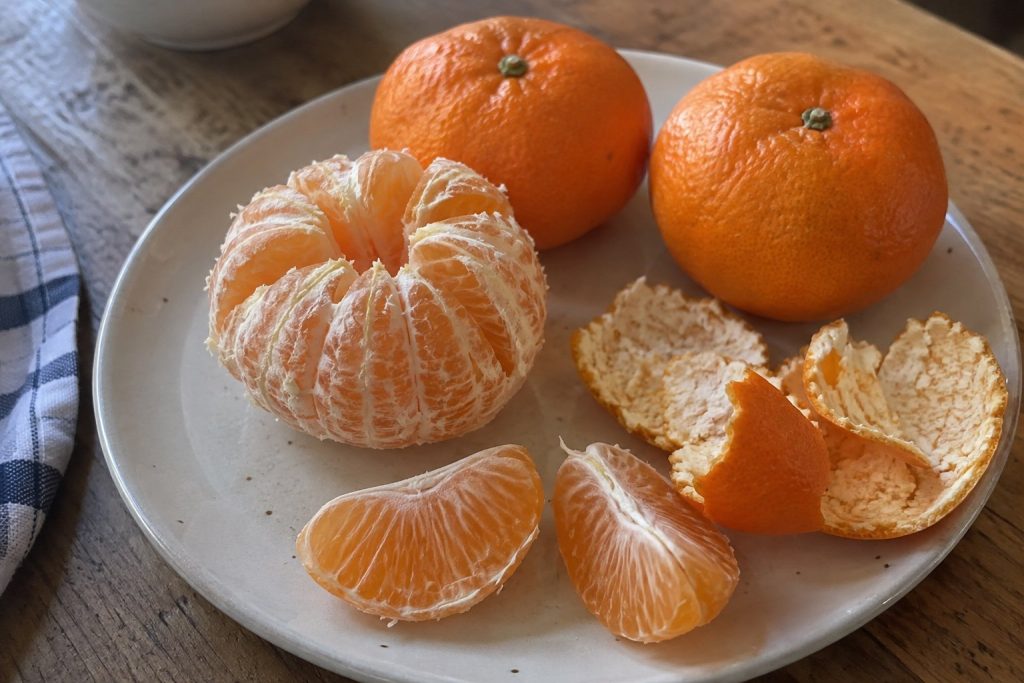
Whole and peeled orange citrus fruit on a plate
AI-generated illustration. It does not authenticate cultivar identity or cold tolerance.
Cold hardiness 10°F (−12°C)

Identity

OriginJapan
Genetic originHybrid Kiyomi × Ponkan
USDA zone
Cold hardiness10°F (−12°C)
Fruit cold hardiness27°F (−3°C)
GrowthVigorous
Height13 ft (4 m)
HarvestJanuary, February, March, April
SeedsFew
FlavorsVery sweet, Balanced, Highly aromatic

History & Description

Origin

Harumi mandarin is an exceptional citrus from Japan, from Shizuoka Prefecture. It is the result of a meticulous cross made to combine the best qualities of its parents: the flavor of the Ponkan and the juiciness of the Kiyomi.

Tree description

The tree is vigorous, with an upright habit and good productivity. It is recognized for its good hardiness compared with other mandarin hybrids, which makes it interesting for temperate climates.

Fruit quality

The fruit is large, often with a small neck at the base. Its skin is easy to peel (“easy peeler” type). The flesh is tender, very juicy, and has a remarkable melt-in-the-mouth texture.

Flavor and ornamental interest

It is a gourmet mandarin, very sweet and fragrant, often compared to Dekopon but hardier. It is perfect as an eating fruit for a refined winter treat.
Back to the collection

Updated:

"Growing rare citrus means accepting that nature has the last word, while whispering in its ear how to survive the winter."

Scroll to Top