Where should you grow a mandarin tree in a container or garden?
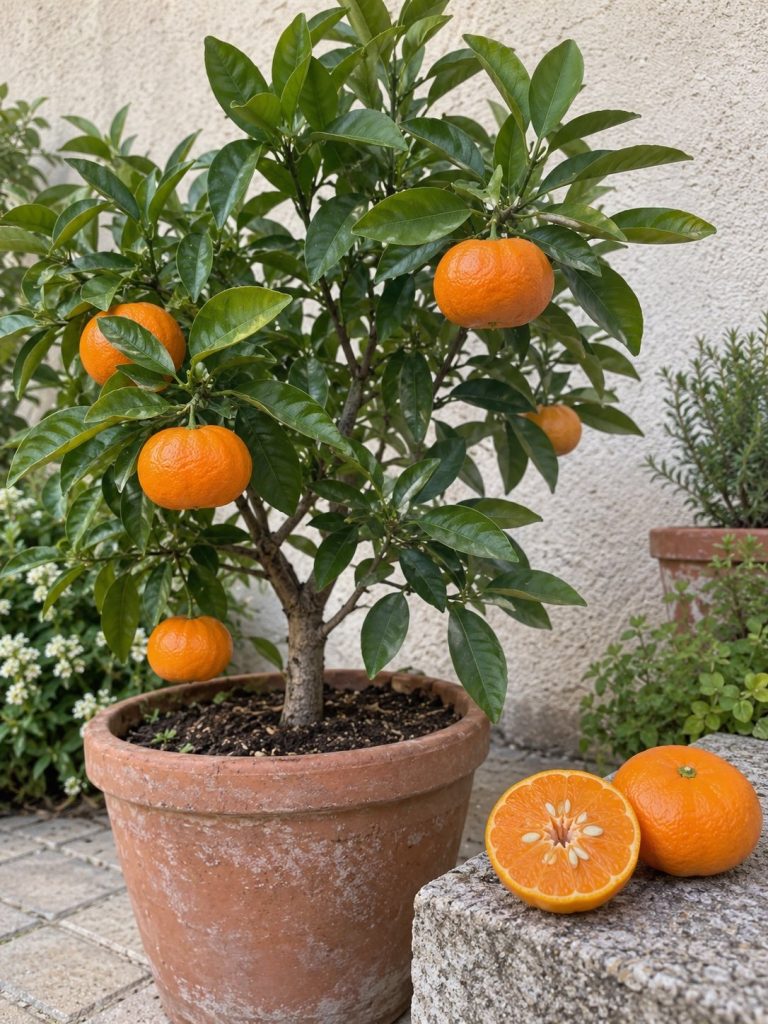
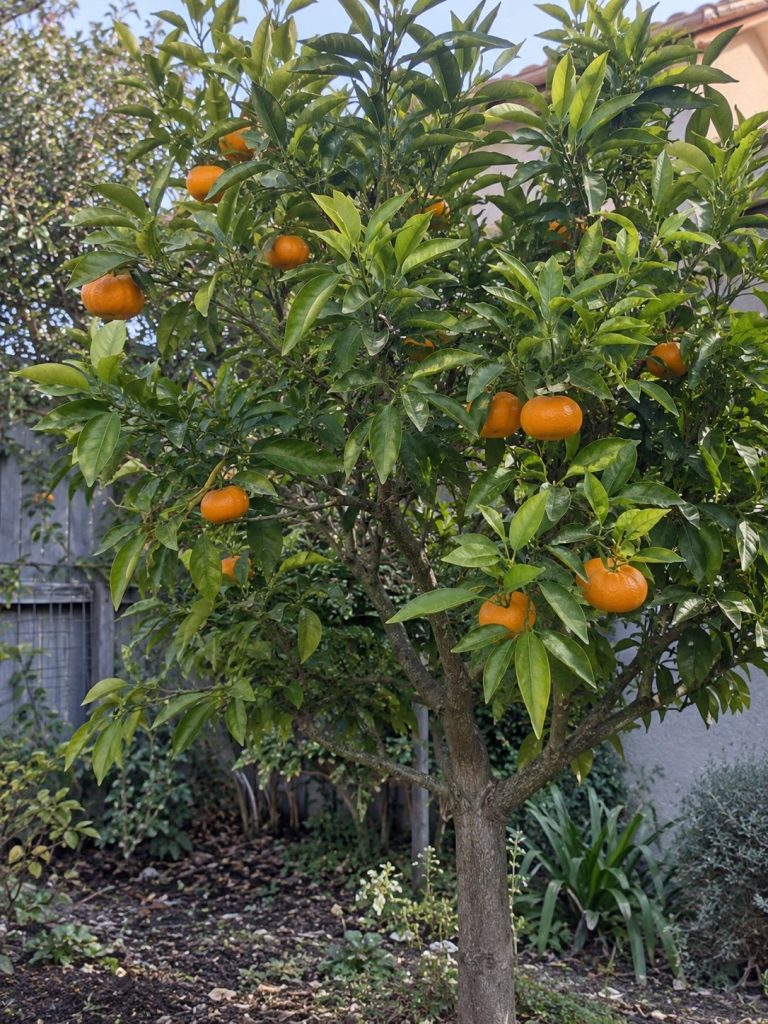
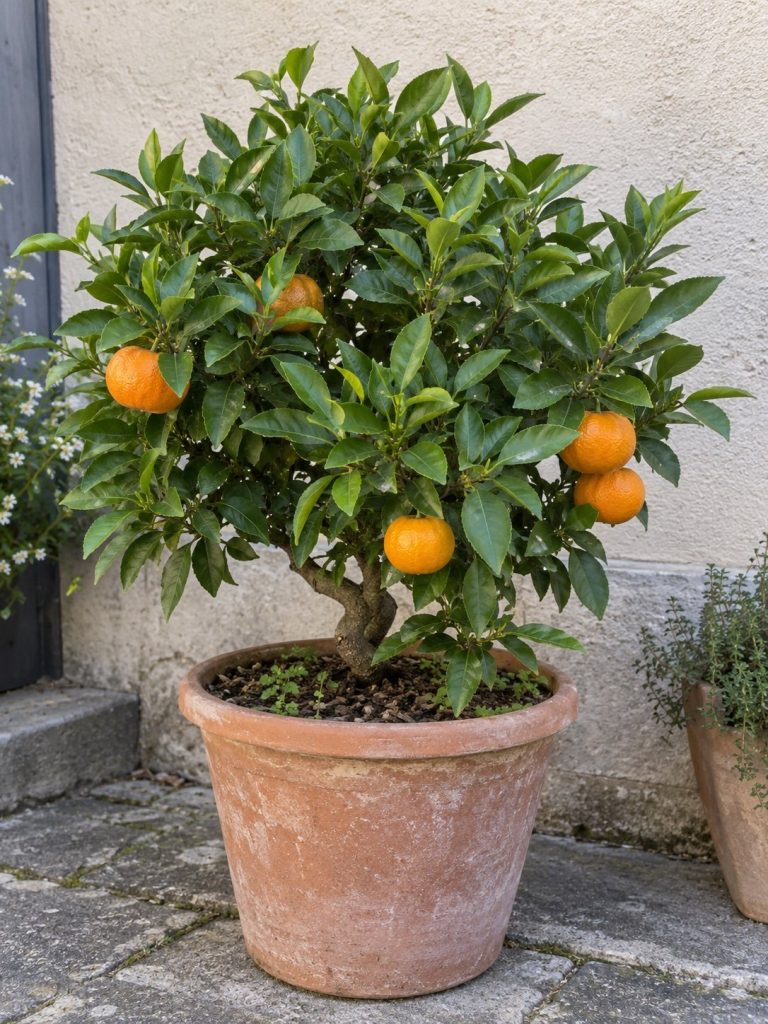
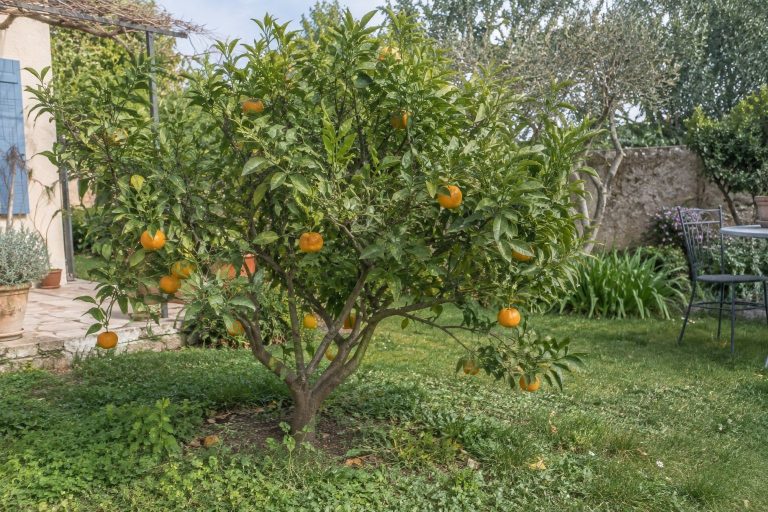
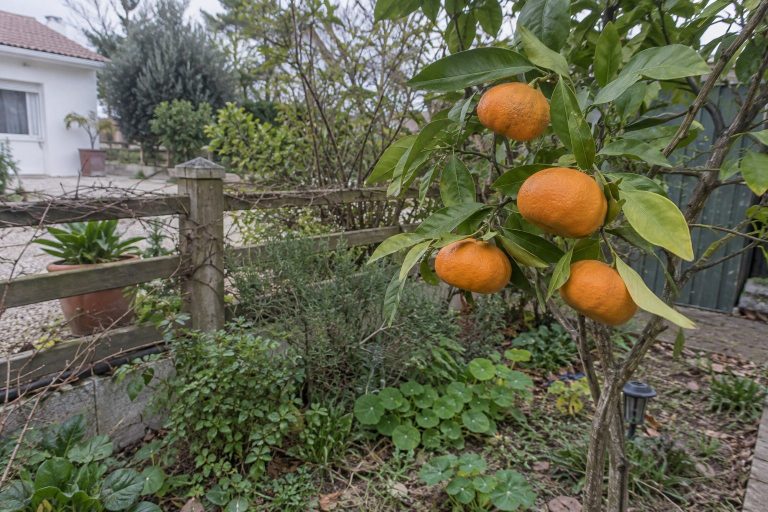
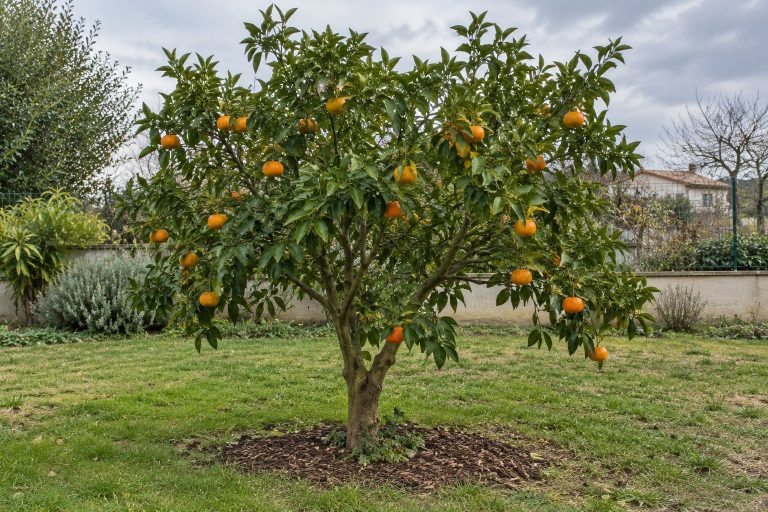
A bright site sheltered from cold wind and free of frost pockets makes growing easier. A container allows you to move the tree into shelter; in-ground planting requires a selection suited to your winters. For a satsuma, consider width as well: some develop low, spreading branches.
Rootstock affects vigor and adaptation to the soil. UF/IFAS notes that Poncirus trifoliata, often used for satsumas, is poorly suited to calcareous or saline conditions. Its presence on the label therefore does not solve every soil problem. Seek advice that considers the variety, rootstock, and actual site together.
References: UCR — Frost Owari Satsuma, CRC 3178 · UF/IFAS — The Satsuma Mandarin · UC ANR — Growing Citrus in the Sierra Nevada Foothills
How should you manage branches and irregular harvests?
Preserve the mandarin tree’s natural form and remove rootstock suckers. Severe pruning is not necessary to obtain fruit. Observe crop load from year to year: Ponkan in particular has a documented tendency to alternate between heavy and light production.
UCR describes Ponkan as relatively upright, distinct from the drooping habit of many satsumas. This difference helps you anticipate the space needed. Some young fruit drop can be normal in citrus; before changing care, record its extent, the condition of the leaves, and soil moisture.
References: UCR — Frost Owari Satsuma, CRC 3178 · UCR — Ponkan, CRC 3849 · UF/IFAS — Citrus Culture in the Home Landscape · UC IPM — Cultural Tips for Growing Citrus
Are all mandarin trees cold-hardy?
No. The reputation of satsumas should not be extended to every mandarin. UF/IFAS highlights their value among commercial citrus suited to cool winters. UCR, however, describes Ponkan as less cold-tolerant than many other mandarin trees: the family name is not enough to decide whether to plant.
A crop that ripens before cold events has less exposure, without making the wood more cold-tolerant. Young plants and containers need their own protection strategy. For in-ground growing, choose the site before buying and keep protection available for a tree that is not yet well established.
References: UCR — Ponkan, CRC 3849 · UF/IFAS — The Satsuma Mandarin · UF/IFAS — Citrus Culture in the Home Landscape · UC ANR — Growing Citrus in the Sierra Nevada Foothills
How can you tell when a mandarin is ready to eat?
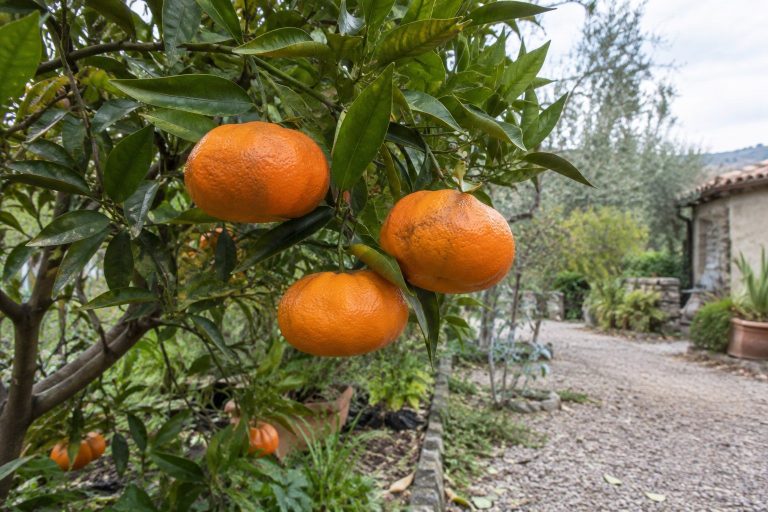
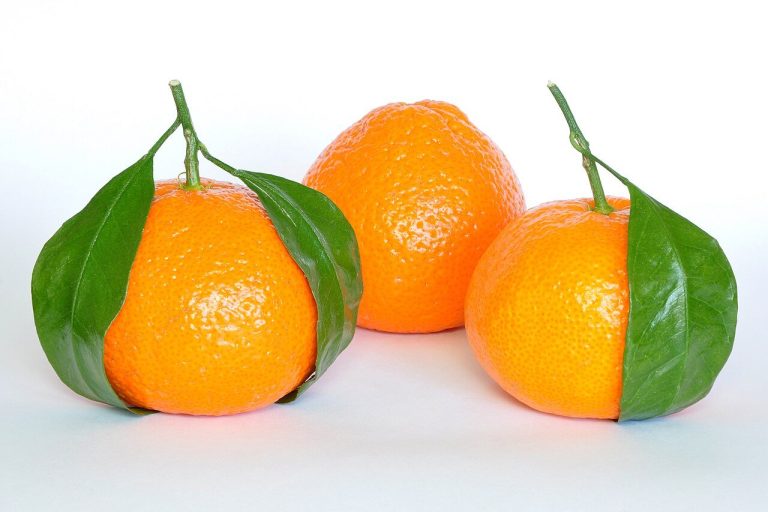
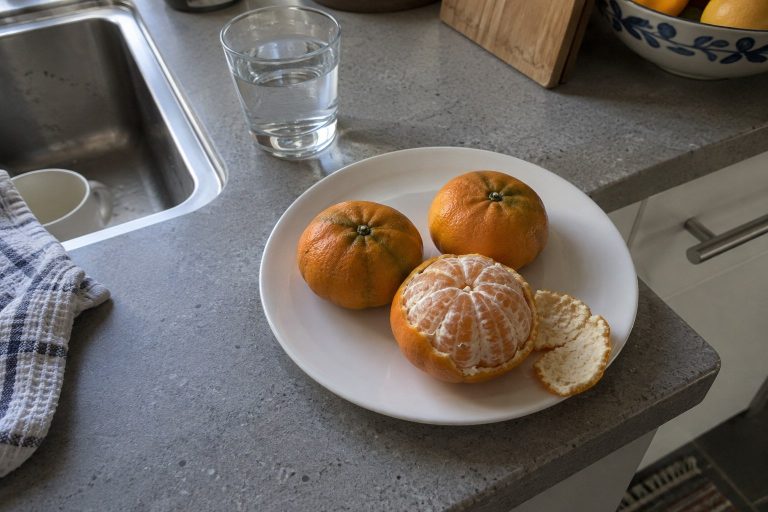
Taste a representative fruit rather than always waiting for uniformly orange skin. Owari can reach internal maturity before developing its full color. Its flesh is generally sweet, tender, and juicy; left too long on the tree, the peel separates further and quality declines.
For fresh eating, compare the sugar–acid balance, ease of separating segments, and seeds. Nova offers richer flesh, but seed count depends in part on nearby pollinizers. According to UCR observations, an isolated tree may produce less seedy fruit and a smaller crop.
References: UCR — Frost Owari Satsuma, CRC 3178 · UCR — Nova, CRC 3615
Mandarin, satsuma, and clementine: what is the difference?
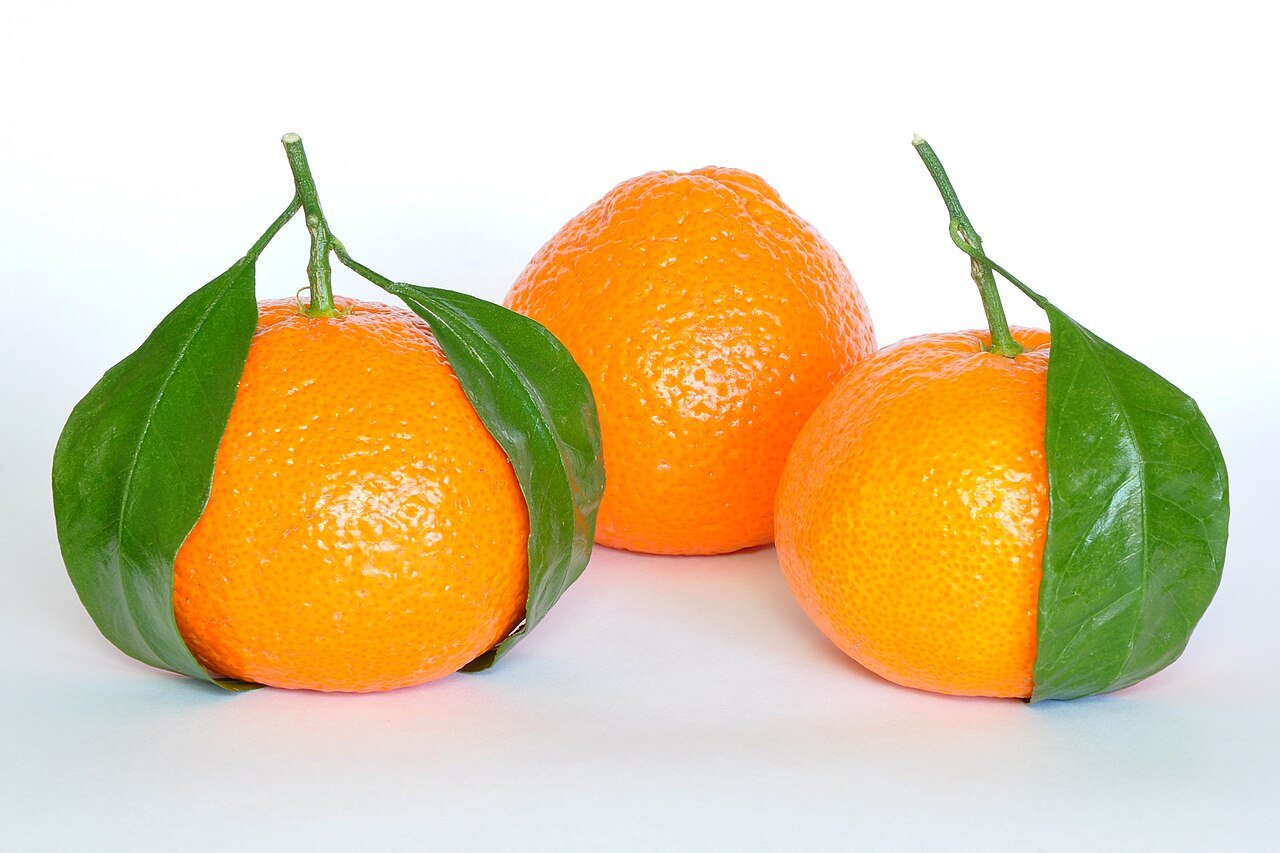
“Mandarin” describes a horticultural group broader than a single variety. Satsumas are usually presented as Citrus unshiu; Ponkan as Citrus reticulata. Clementine derives from mandarin and sweet orange, while Nova is a cross between clementine and Orlando tangelo.
The website’s classification therefore brings satsumas, mandarins, and hybrids into the same table. For more detail about clementine seeds and pollination, their dedicated guide is more precise. Do not transfer advice intended for one parent to a hybrid.
References: UCR — Ponkan, CRC 3849 · UCR — Nova, CRC 3615 · UF/IFAS — The Satsuma Mandarin · INRAE — Precious clementines
Frequently asked questions about mandarin trees
Is a satsuma a mandarin?
Yes. Satsuma is a group of mandarins generally called Citrus unshiu. Owari, Okitsu, and Iwasaki are selections within this group; “satsuma” is not the name of just one variety.
Are satsuma mandarins always seedless?
They generally have few seeds and are often seedless. University descriptions and observations nevertheless show that a few seeds remain possible; avoid an absolute promise for every fruit.
Do I need two mandarin trees to get fruit?
It depends on the variety. Satsumas can produce on their own. Some hybrids benefit from cross-pollination, which can also increase seeds: check the cultivar’s needs before adding another tree.
Can I eat a mandarin that is still a little green?
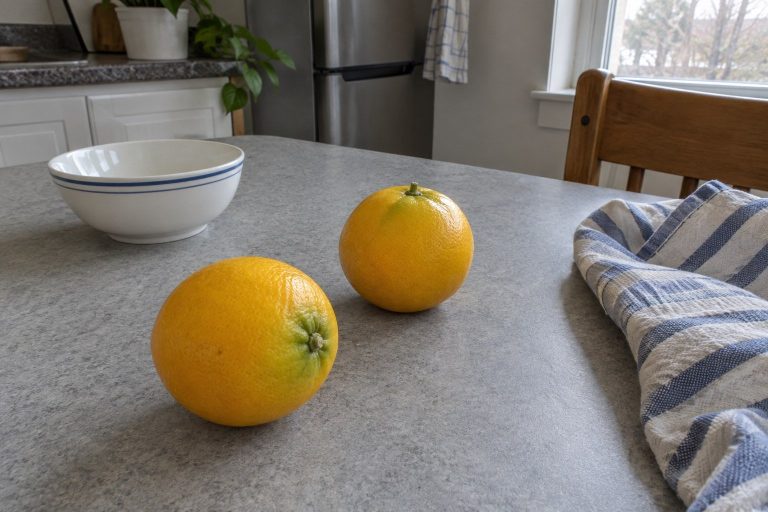
Yes, if its flesh has reached a pleasant eating maturity. In Owari, ripening can precede full orange coloration. A taste test is therefore more useful than color alone when deciding to pick.
Which mandarin tree should I choose when winter arrives early?
Start by comparing satsumas and their local maturity dates. A selection described as early may help you harvest before cold weather, but verify that ranking in your region rather than copying Florida dates.
Why do mandarins become puffy and hollow under the peel?
In Owari and Ponkan, the peel may separate further when fruit stays on the tree too long. Taste the fruit and pick at maturity; its persistence on the branches does not mean its quality is improving.
Sources and method
A documentary synthesis from the encyclopedia, published by Léo, an amateur gardener on the Arcachon Basin, in USDA zone 8b. The references distinguish satsumas, mandarins, and hybrids, particularly for maturity and pollination. Foreign observations are identified when they help inform choices. The cited sources are documentary references; this page does not report a personal freezing trial.
- UCR — Frost Owari Satsuma, CRC 3178
Habit, flavor, maturity before coloration, on-tree holding, and seed observations; does not certify the identity of every Owari clone.
- UCR — Ponkan, CRC 3849
Fruit, upright habit, alternate bearing, relatively lower cold tolerance, and loss of quality after maturity.
- UCR — Nova, CRC 3615
Clementine × Orlando cross, flavor, and the effect of neighboring trees on seeds and fruiting.
- UF/IFAS — The Satsuma Mandarin
Mandarin groups, satsuma diversity, cold, maturity dates, and rootstock constraints; Florida context.
- UF/IFAS — Citrus Culture in the Home Landscape
Pruning, suckers, maturity before freezing weather, and differences in pollination requirements.
- UC IPM — Cultural Tips for Growing Citrus
Physiological drop of young fruit and the influence of growing conditions.
- INRAE — Precious clementines
Clementine origin through a cross between mandarin and sweet orange.
- UC ANR — Growing Citrus in the Sierra Nevada Foothills
Growing mandarin trees: wind, frost pockets, siting, and young trees; California thresholds are not repeated here.