Identity
History & Description
Origin
Keraji Voss D14 is a remarkable selection of the Keraji mandarin tree (Citrus keraji), an ancestral citrus native to the island of Kikaijima, in southern Japan. The name Voss D14 refers to a selection made by European nurserymen to isolate individuals with superior hardiness and high taste quality among Keraji seedlings. The Keraji is a Japanese citrus grown for centuries in the southern islands of Japan for its multipurpose fruit: used green as a condiment similar to the sudachi, then eaten at maturity as an eating mandarin. Its remarkable hardiness, reaching 14°F (−10°C), makes it one of the hardiest mandarin trees grown in Europe. The leaves, highly aromatic with spicy notes, have also been valued in traditional Japanese cooking for centuries.Tree description
A tree of moderate vigor, able to reach 10 to 13 ft (3 to 4 m) in the ground. The evergreen foliage is an intense green and very aromatic; the elliptical, slightly acuminate leaves give off a distinctive spicy fragrance when crushed. White flowering occurs in spring. Growth is moderate and steady, allowing controlled development in the garden.Fruit quality
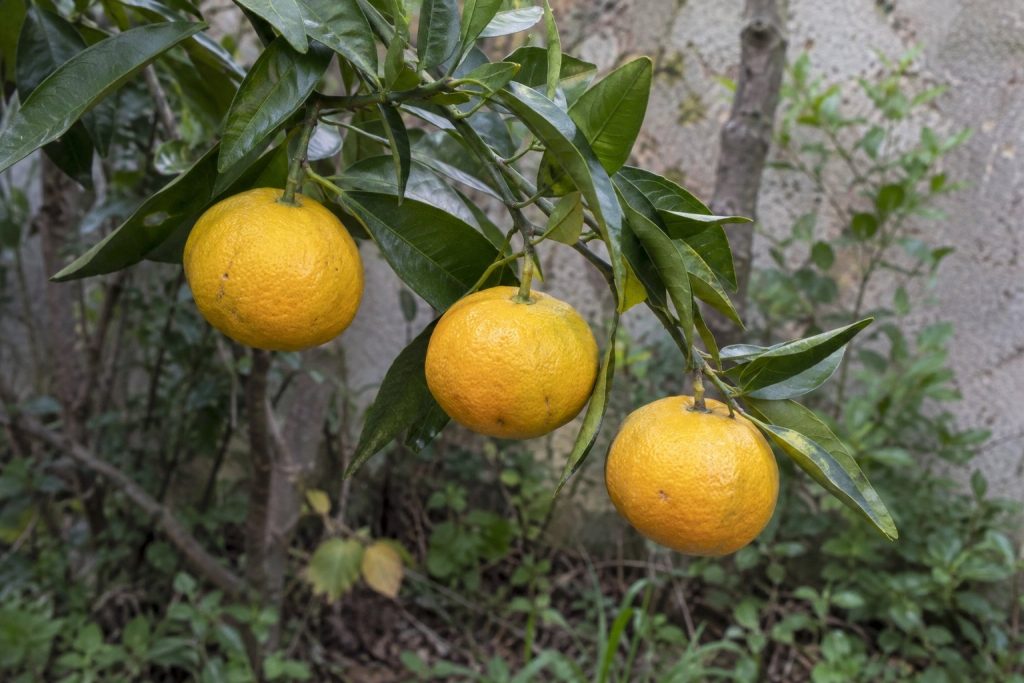
Small fruit, yellow at maturity, of about 1.8 oz (50 g). Still green, the fruit is tart and used as a condiment for its zest and juice with herbal, spicy notes, similar to the sudachi. At full maturity in November, it becomes milder and sweeter. The pulp is yellow-orange and the zest very aromatic. Contains a few seeds. The harvest period runs from September to November.Flavor and ornamental interest
Keraji Voss D14 stands out for its dual gastronomic personality: used green in savory cooking (fish, broths, Asian sauces) for its juice and zest, it can also be enjoyed at maturity as an eating mandarin. Its highly aromatic leaves are prized in Japanese cooking, infused in soups or used as a wrapper for steaming. A refined ornamental tree with harmonious forms.Updated:
What matters when choosing
Key points about Keraji Voss D14 Mandarin
Keraji D14, distributed by Bernhard Voss, is a European selection of Japanese Keraji, valued for its small, very fragrant fruit: acidic while green, then sweeter at maturity. Very low advertised cold thresholds, however, lack comparable independent trials.
Why choose it
- Very aromatic zest and leaves.
- Fruit usable green as a condiment and later ripe as a small mandarin.
- Good vigor and productivity are reported.
Its limits
- Seeds are present.
- The D14 clone is poorly documented outside specialist catalogs.
- Published hardiness thresholds differ greatly.
Practical notes
- Varietal background
- Keraji from Kikaijima
- Harvest
- Fall
- Uses
- Zest, green-fruit juice, ripe fruit
Cold-hardiness reference: about 14°F (−10°C)
Nursery-reported thresholds vary; without a published protocol or certainty about the clones, consider freeze duration and acclimation.
Sources and method
The temperatures given are reference points for a mature tree with hardened wood. The table and callout repeat the same value as the profile. They guarantee neither freedom from damage nor a harvest after a freezing event.
Data reviewed on September 21, 2026.
- Todolí Citrus Fundació — Keraji — Keraji’s origin, season, flavor, and seeds
- Givaudan Citrus Variety Collection — Keraji — Identity and conservation of the reference cultivar
- Agrumerie Vessière — D14 — Horticultural description specific to clone D14