Cold hardiness
14°F (−10°C)
Identity
OriginLouisiana, United States
Genetic originSelection from an open-pollinated Kimbrough seedling; pollen parent unidentified
USDA zone8a
Cold hardiness14°F (−10°C)
GrowthVigorous
Height16 ft (5 m)
HarvestOctober, November, December
SeedsFew
UsesFresh eating, Juice
FlavorsSweet, Tart
History & Description
Origin
Brown’s Select is a satsuma selected in Louisiana, within the program of the Citrus Research Station at Port Sulphur. It comes from open-pollinated seeds collected from Kimbrough in the late 1960s. This parentage identifies the seed-bearing parent, but does not allow a precise second parent to be assigned. The selection was retained during the evaluations following the 1983 freeze, then studied under the number LA 4-40. Its name pays tribute to Ralph Brown, former head of the station. The cultivar article published in HortScience in 1995 explains the goal: to offer a good-quality mandarin between the earliest satsumas and Owari.Tree description
It is a vigorous, productive, well-branched tree, whose habit is described as spreading in the Louisiana trials, denser and less weeping than some other satsumas in the Florida observations. Its foliage is evergreen and green, with elongated simple leaves; thorns are absent or short-lived according to Citrus ID. A height on the order of 16 ft (5 m) is a rounded reference here for in-ground growing, based on the 15 ft (4.6 m) bound published by Perino; the dwarfing Flying Dragon rootstock and pruning greatly change development. The cold reference retained, 14°F (−10°C), rests on UF/IFAS observations of acclimated trees in Florida; Quissac reports 10°F (−12°C), but this commercial value is no guarantee for a young tree, a prolonged freeze, or a warm spell followed by a sharp drop.Fruit quality
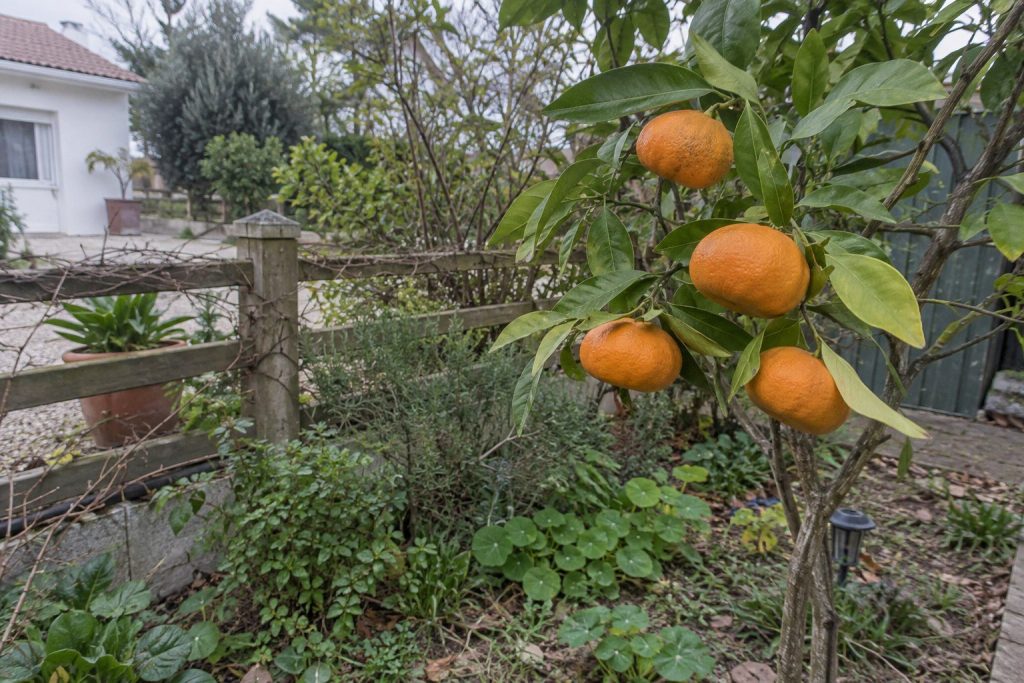
The fruits are medium to large, rather flattened, with yellow to yellow-orange rind and orange flesh. The skin comes off easily and the flavor combines sweetness and acidity, in a register close to Owari. Seeds are generally rare: the mention "few" reflects this variability better than a promise of absolute seedlessness. In Louisiana, maturity is described as mid-October to early November, ahead of Owari; Quissac places juice use in November and fresh eating through Christmas, a French calendar to verify by tasting.Flavor and ornamental interest
Brown’s Select mainly interests the gardener who wants to bring forward part of the harvest without giving up fresh-eating fruit. Its good holding on the tree at maturity allows picking to be staggered under the sources' conditions, but says nothing about the fruit's resistance to freezing. The pulp is eaten in segments, while the juice keeps the fruit's sweet-tart balance. The USDA zone 8a classification comes from a nursery indication specific to the cultivar, at Just Fruits and Exotics; it accompanies the choice of site and local protection, without replacing observation of the actual climate.
Back to the collection
Updated: