Identity
History & Description
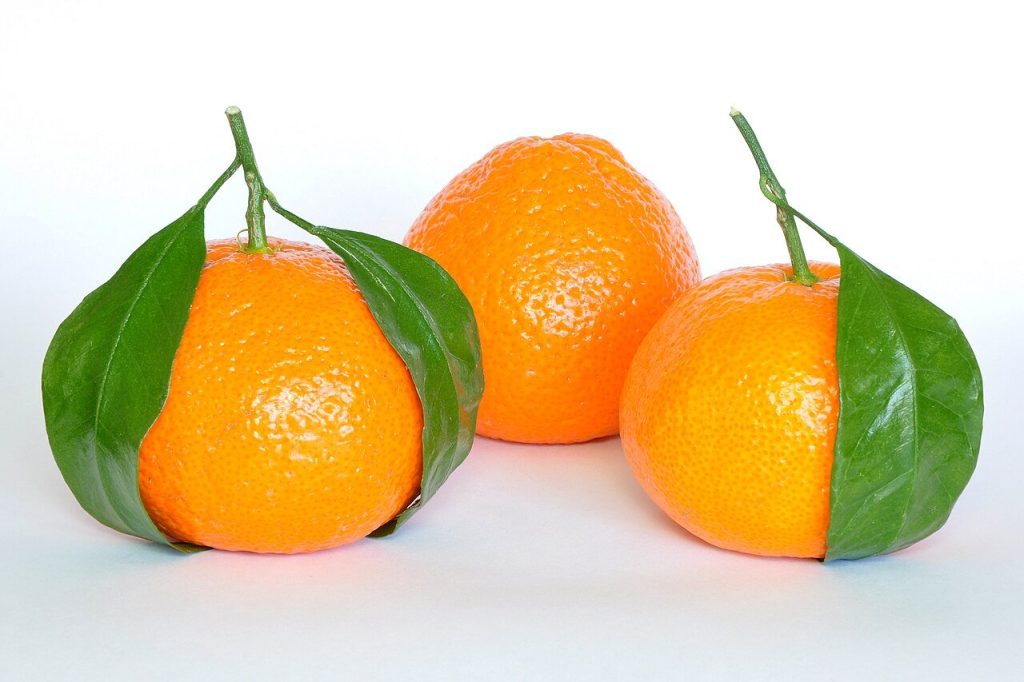
The tree forms a vigorous specimen reaching 10 to 13 ft (3 to 4 m) at maturity with a natural rounded habit, dense, deep green evergreen foliage, and long, slightly pointed leaves characteristic of the genus. The abundant, white, strongly fragrant spring bloom gives, in November and December, bright orange fruits of small size (2.1 to 2.8 oz, or 60 to 80 g), with thin, easy-to-peel skin, containing many seeds in the classic form. The flesh, juicy and tender, offers a well-balanced sweet-tart taste punctuated by delicate floral notes that recall the original Chinese line more than the more standardized Mediterranean selections.
In the kitchen, the Changsha excels in fresh juice, in cooking (desserts, sorbets), and as an eating fruit for those who appreciate a character more aromatic than sweet. USDA zone 8a is the planting benchmark used by Biggio and Londeix; growing it in 7b remains a borderline attempt in a very sheltered situation, notably described by Woodlanders in the United States, provided it is grafted onto Poncirus trifoliata and planted against a south-facing wall with winter mulch and P30 horticultural fleece on young trees. It appears in the reference amateur collections in France through the forum-agrumes.com forum, and remains available at a few specialist nurseries focused on hardy citrus (Vessières, Bachès, Quissac).
Updated:
What matters when choosing
Key points about Changsha Mandarin
Changsha is an old mandarin reputed to tolerate cold better than most mandarins. Its fruit is sweet, juicy, and easy to peel, but often very seedy; it is more a choice for a marginal growing climate than a seedless mandarin.
Why choose it
- Good cold tolerance for an edible mandarin.
- Sweet, juicy, fragrant flesh.
- Easy-to-remove peel.
Its limits
- Many seeds in the classic form.
- Small to medium fruit.
- Quality and freeze tolerance vary with the clone and site.
Practical notes
- Origin
- China
- Type
- Old mandarin
- Uses
- Fresh fruit and seedlings for selection
Cold-hardiness reference: about 10°F (−12°C)
Survival in more severe cold has been reported, but it guarantees neither freedom from damage nor a harvest; the reference concerns a mature tree with hardened wood.
Sources and method
The temperatures given are reference points for a mature tree with hardened wood. The table and callout repeat the same value as the profile. They guarantee neither freedom from damage nor a harvest after a freezing event.
Data reviewed on September 21, 2026.
- University of Georgia Extension — Relative cold hardiness and horticultural characteristics
- UF/IFAS — Cold Hardy Citrus — Context for growing cold-hardy citrus
- Givaudan Citrus Variety Collection — UCR — Fruit, seeds, alternate bearing, and survival of a historical freeze