Preserves

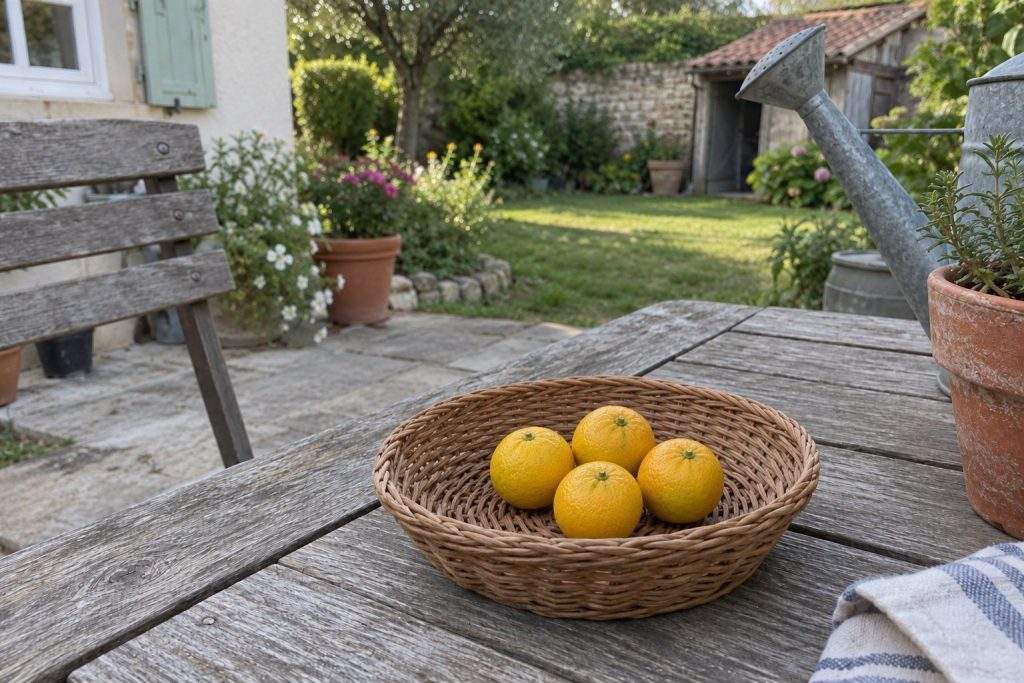
Yellow citrus fruit in a wicker basket on a garden table

Citrangeremo

Citrangeremo ((Citrus sinensis × Poncirus trifoliata) × Eremocitrus glauca) is a hybrid combining citrange ancestry with an Australian citrus. Several selections circulate in Europe, with no single breeder identified. Growers describe a vigorous tree with narrow foliage, able to reach 16 ft (5 m) depending on training. Its small yellow to orange fruits hold vesicles recalling the finger lime. Their tart flavor allows fresh tasting trials; the bitterness of the skin calls for tasting before eating the whole fruit. Jams and candied fruit offer other uses. The 10°F (−12°C) reference is a claim by growers. Feigenhof explicitly gives zone 7b, versus zone 8 at Thomas Fruit Trees: these diverging classifications do not guarantee growing without protection. The harvest runs from late September to November-December depending on the catalogs. In France, choose sun, drainage, and shelter, then protect young trees and check the traits of the plant received.
A garden citrus tree bearing yellow-orange fruit

Yuzu

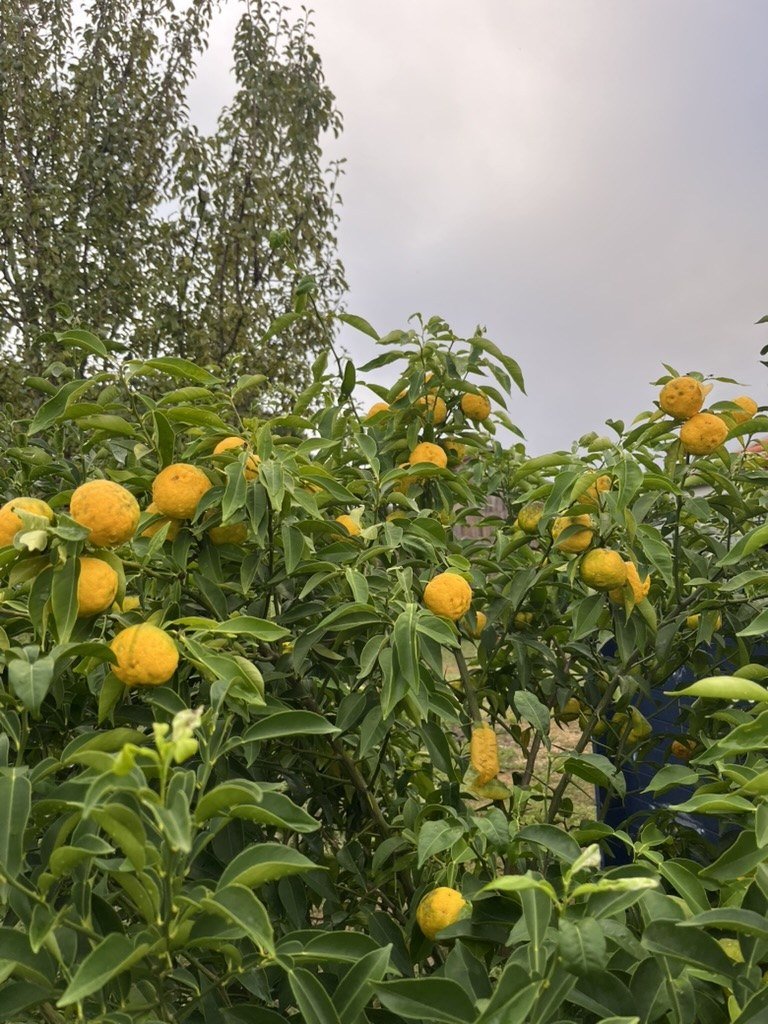
Yuzu (Citrus × junos) is a citrus of hybrid origin, native to China and emblematic of Japanese cooking. Its fragrant zest and sour juice flavor sauces, pastries, and jams. With a hardiness reference of 5°F (−15°C) for a well-established adult tree, it is among the few citrus suited to in-ground growing in most French regions. The limiting USDA zone retained is 7b. Choose sun, wind shelter, and drainage; protect young plants during the first winters. The evergreen, thorny tree with white flowers often reaches 5 to 10 ft (1.5 to 3 m) in cultivation. This entry presents the classic yuzu, with no named selection. The rounded fruits turn yellow and contain many seeds. The harvest is generally from October to December depending on the climate. The tree’s hardiness does not guarantee that of the fruit. Guide to growing yuzu in containers and in the ground.

Elongated yellow and orange citrus fruit hanging on branches

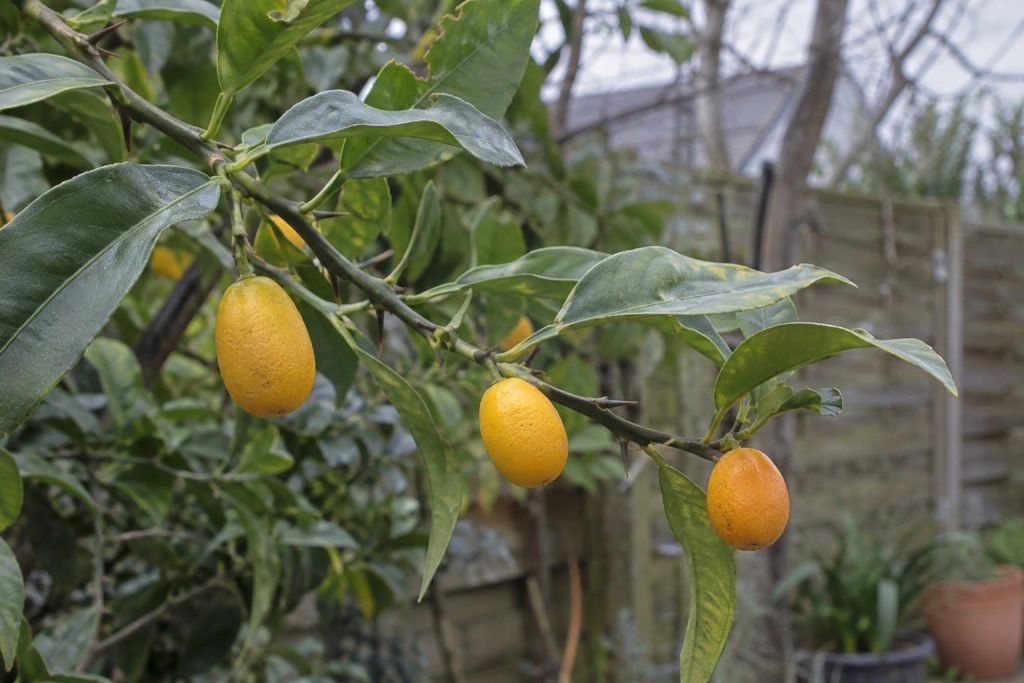
Ichangquat 6-7-2

Ichangquat 6-7-2 (Citrus cavaleriei ‘Ichangquat 6-7-2’) is a remarkable contemporary hybrid obtained by crossing the Ichang papeda (Citrus ichangensis) with a kumquat (Fortunella). The code 6-7-2 refers to the generation and the individual number in the original selection program. Its exceptional hardiness reaches 0°F (−18°C) according to French-language forum observations, making it one of the few citrus with culinary fruit that can be grown in the ground up to USDA zone 7a, including under markedly continental climates. The compact tree reaches 7 to 10 ft (2 to 3 m) with evergreen foliage recalling both the Ichang papeda (typical winged petioles) and the kumquat, and bears a few fine thorns. Its small fruits of 0.5 to 1 oz (15 to 30 g), with thin, sweet, edible skin and tart, fragrant flesh, are eaten whole. Excellent in confectionery, marmalade, and liqueur. Grafted onto Poncirus, viable up to zone 7a.

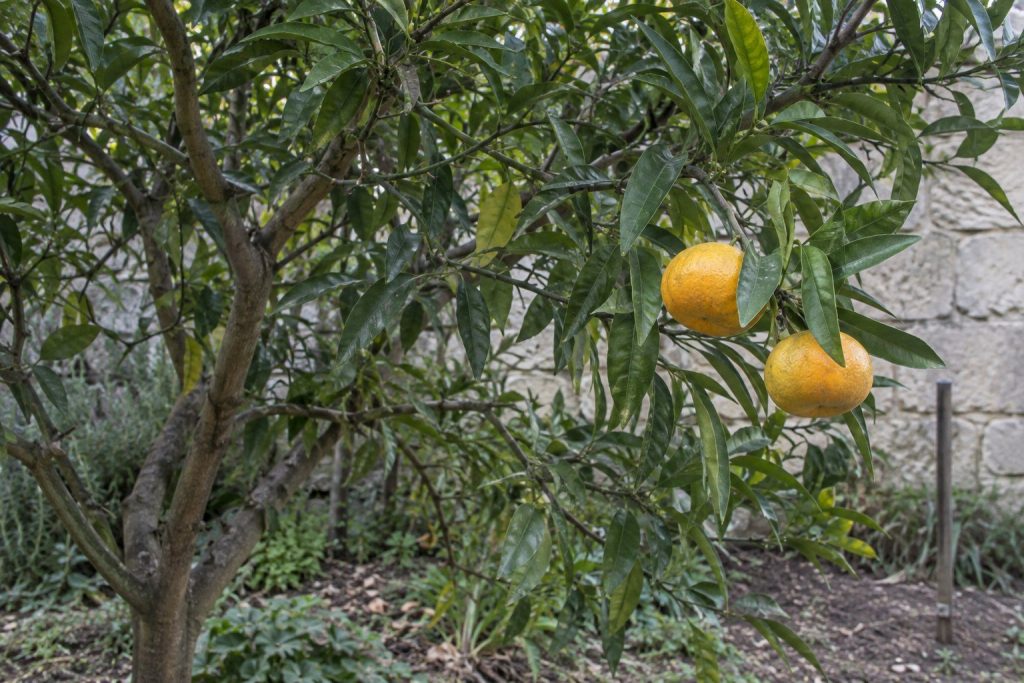
Orange citrus fruit hanging among narrow leaves

Sanford Curafora

Sanford Curafora (Citroncirus ‘Sanford Curafora’) is a contemporary hybrid selected in Switzerland by Dr. Edwin Frey, from the open pollination of Sanford Citrange (Poncirus trifoliata x Sanford orange), probably by a mandarin or clementine. This selection effort in the European alpine climate represents an original path in the search for hardy citrus with edible fruit. Its hardiness reaches 10°F (−12°C) once the tree is established, making it suitable for in-ground growing up to USDA zone 8a. The moderately vigorous tree reaches 7 to 10 ft (2 to 3 m) with fine, dark green, glossy evergreen foliage, reminiscent of a mandarin’s, with a few occasional trifoliate leaves inherited from Poncirus. Its mandarin-sized fruits, weighing 2.5 to 3.5 oz (70 to 100 g), with light orange, easy-to-peel skin, offer juicy, sweet flesh with a slight residual bitterness. Excellent as fresh fruit and jam. Grafted onto Poncirus trifoliata, against a south-facing wall.

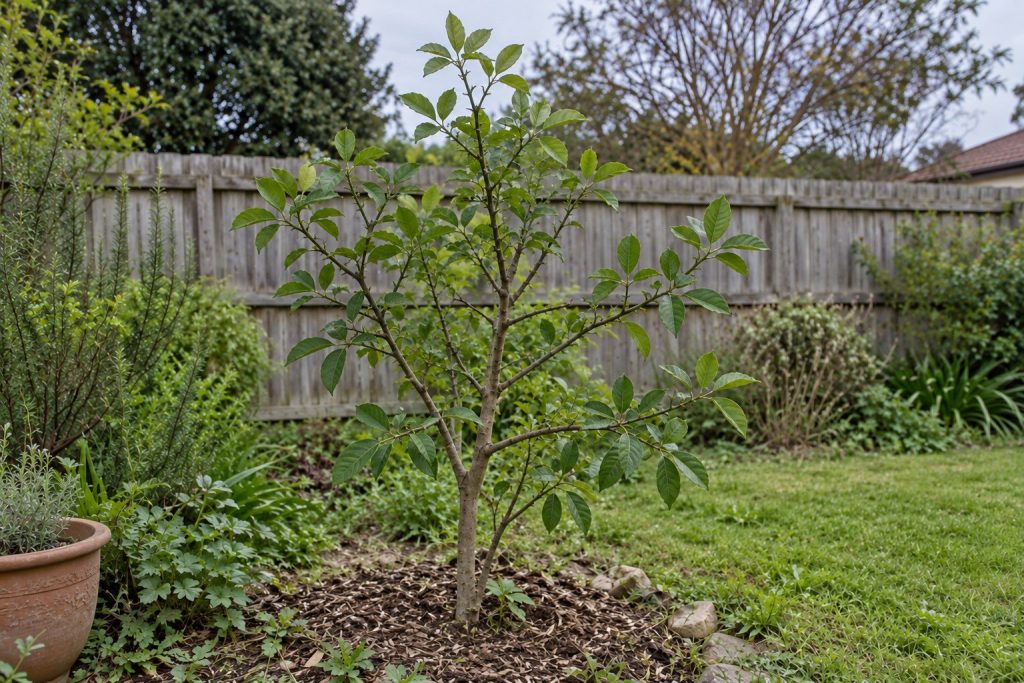
A young garden citrus tree with visibly trifoliate leaves

Rusk Citrange

Rusk citrange (Citroncirus ‘Rusk’) is one of the oldest Poncirus hybrids in the world, created in 1897 by Walter T. Swingle at the USDA to combine the extreme hardiness of Poncirus trifoliata with the flavor quality of the Ruby orange. Named in honor of J. M. Rusk, the first U.S. Secretary of Agriculture, it was officially described in 1905. Its exceptional hardiness reaches 1°F (−17°C), making it suitable for in-ground growing up to USDA zone 7a. The vigorous tree reaches 7 to 10 ft (2 to 3 m) with evergreen to semi-deciduous trifoliate foliage. Its small, flattened, dark orange fruits with reddish highlights contain few seeds and have very juicy flesh with a tart, slightly bitter taste, more edible than most citranges. Excellent as juice, jam, and liqueur. Grafted onto Poncirus, perfect for gardens in zones 7 and 7b.

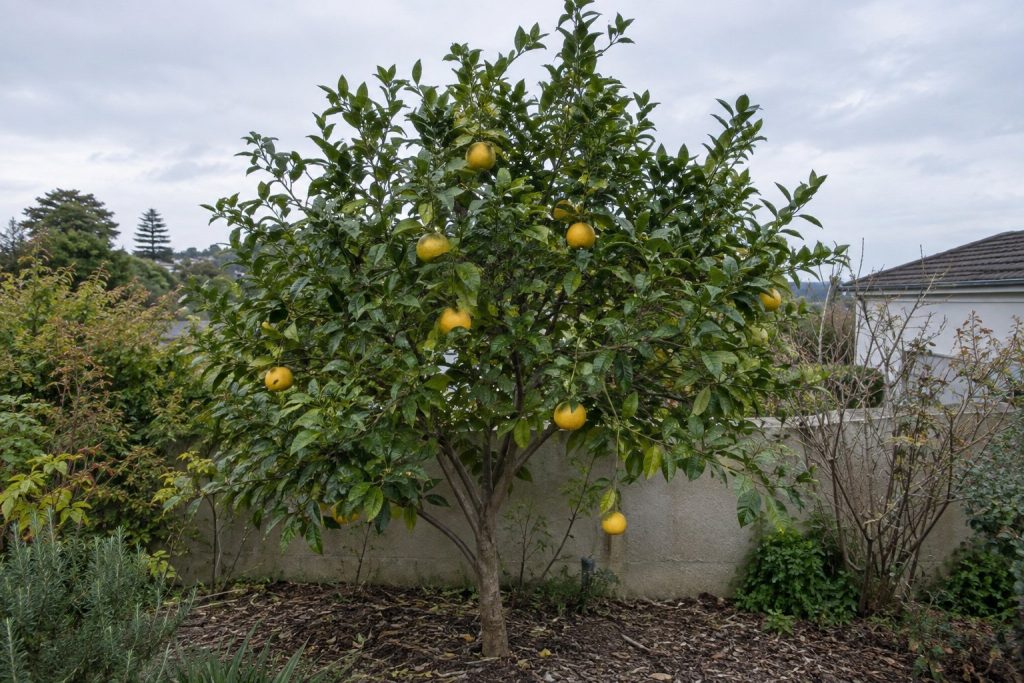
A citrus tree bearing yellow fruit beside a wall

Citrus Taiwanica (Nansho Daidai)

Citrus taiwanica Nansho-Daidai (Citrus taiwanica Tanaka & Shimada) is the formal botanical classification of the Taiwanese lemon, a plant endemic to Taiwan reported in the Hsinchu and Nanzhuang regions and in the low-elevation forests of the east of the island by the Taiwanese forestry administration. Its hardiness reaches 9°F (−13°C) on the tree, making it suitable for in-ground growing in USDA zones 7b and 8a. The tree reaches 10 to 13 ft (3 to 4 m) with an upright, thorny habit, aromatic evergreen foliage, and highly fragrant white flowers. Its yellow-green fruits at full maturity, medium-sized, with thick, bumpy skin, ripen in winter and hold a very sour, fragrant juice reminiscent of a natural cross between lemon and bitter orange, with unique resinous notes. Traditionally used in Taiwan in cooking, vinegar, marinade, and traditional medicine. Graft onto Poncirus trifoliata, plant against a south wall.

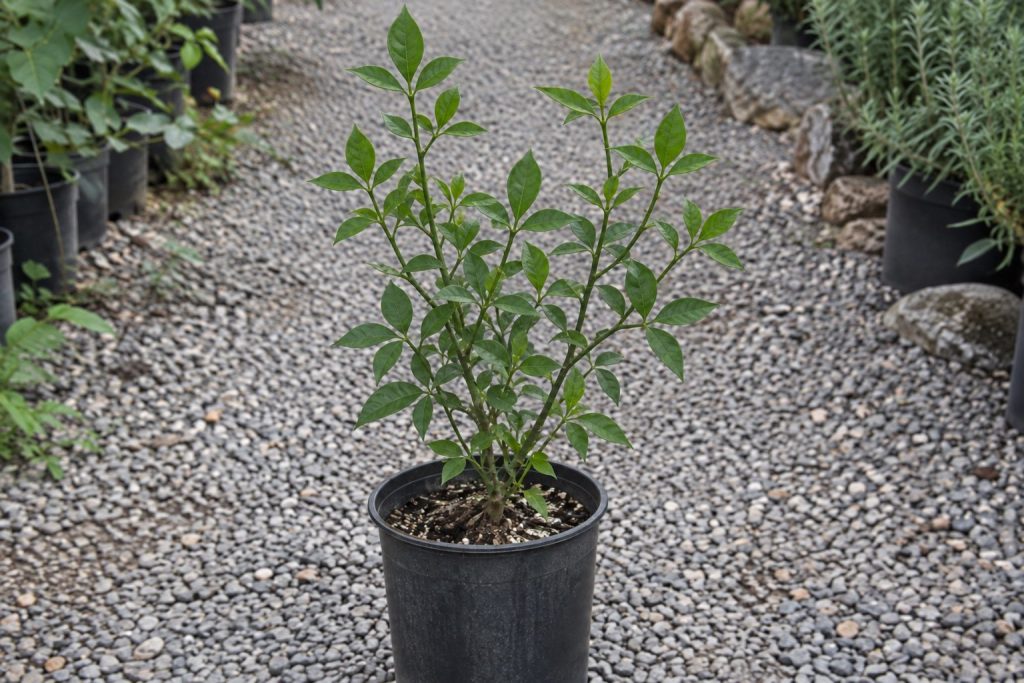
A young leafy citrus plant in a dark nursery pot

Citrandarin US-852

The Citrandarin US-852 (Citrus reticulata ‘Changsha’ x Poncirus trifoliata) is a modern hybrid created by the American USDA program, crossing the ultra-hardy Changsha mandarin with Poncirus trifoliata to combine the two best hardiness lines. Its hardiness reaches 9°F (−13°C) on the tree, making it suitable for planting in the ground as far as USDA zone 7b. The tree grows 10 to 13 ft (3 to 4 m) tall with an upright, semi-thorny habit, semi-evergreen foliage and white spring flowers. Its bright orange, small to medium-sized fruits (2.8 to 4.2 oz, or 80 to 120 g), with easy-to-peel skin, ripen in winter and offer a fragrant sour-sweet juice close to a traditional mandarin, with a slight residual bitterness from the Poncirus. Excellent in blended juice, marmalade, or fresh for lovers of bold flavors. Graft onto Poncirus trifoliata to stabilize vigor, south-facing wall.

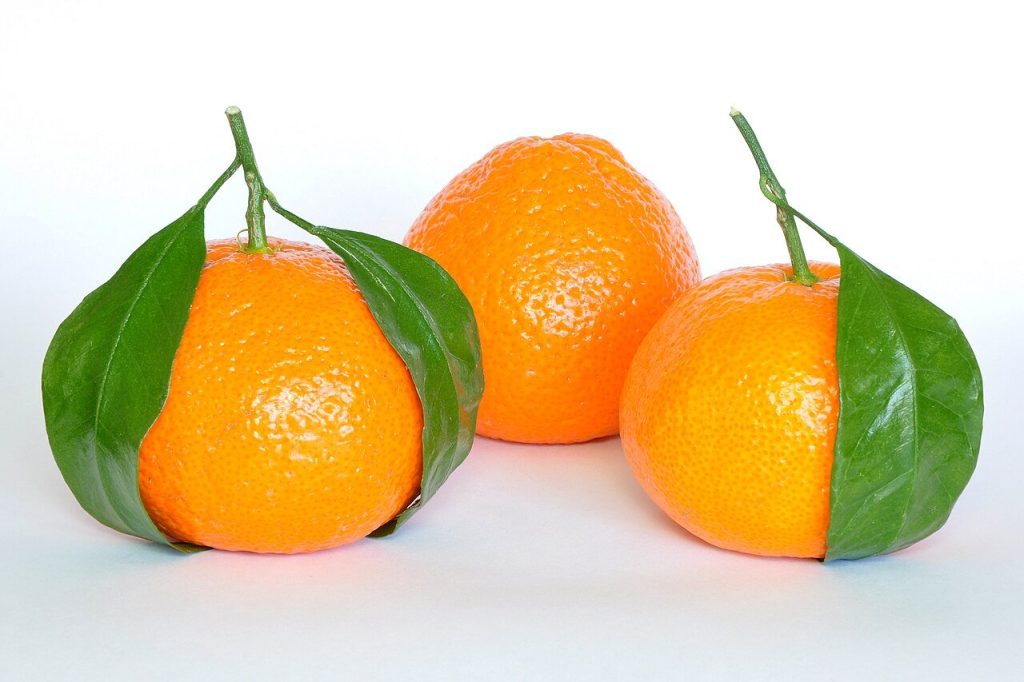
Three orange citrus fruit with attached leaves on a pale background

Changsha Mandarin

The Changsha Mandarin (Citrus reticulata ‘Changsha’) is one of the hardiest mandarins in the world, withstanding down to 10°F (−12°C) on the tree. Native to the Hunan region of central China, where it has grown for more than a thousand years, it served as the genetic base of many modern hardy hybrids developed in the twentieth century. The vigorous tree grows 10 to 13 ft (3 to 4 m) tall with an upright habit and evergreen foliage. Its bright orange, small fruits (2.1 to 2.8 oz, or 60 to 80 g), with easy-to-peel skin, ripen in November and December and offer juicy flesh with a sweet taste punctuated by delicate floral notes. Many seeds in the classic form, hardier than aromatic. Excellent in fresh juice and in cooking. Grafted onto Poncirus trifoliata, it is rated USDA zone 8a by Biggio and Londeix; growing it in 7b remains a borderline attempt in a very sheltered situation, notably described by Woodlanders in the United States. A sentimental choice for the gardener who wants to link Chinese tradition and a French-speaking garden.

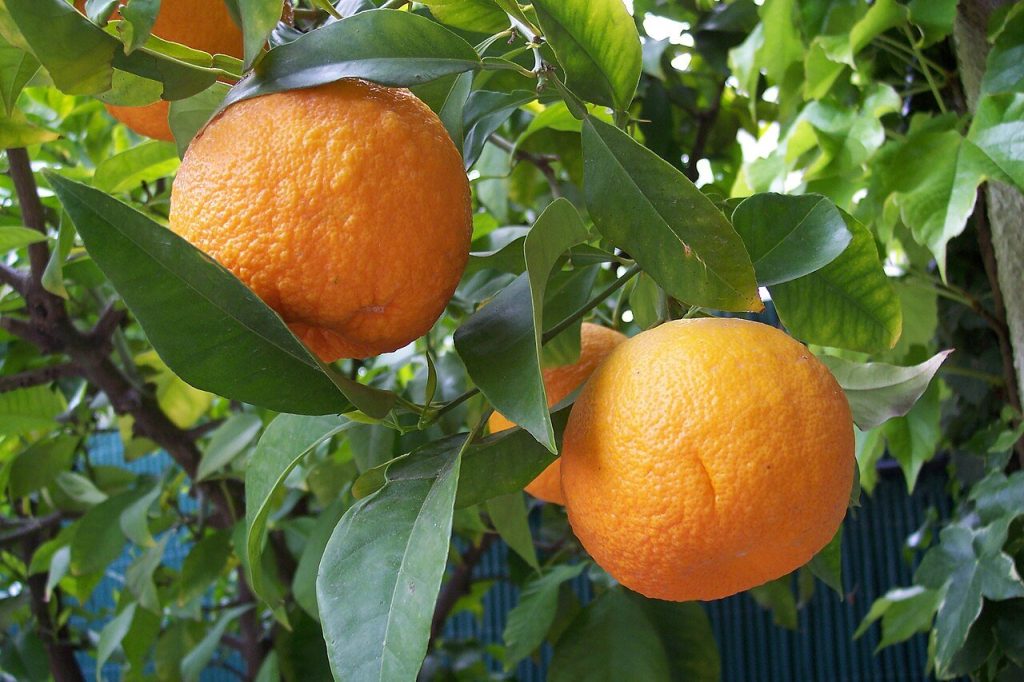
Two orange citrus fruit among glossy leaves

Australian Bitter Orange

The Australian Bitter Orange (Citrus aurantium ‘Australian’) is a complex hybrid combining the classic bitter orange with Citrus taiwanica, pummelo and mandarin parents, selected to combine the hardiness of the bitter orange with the aromatic richness of Eastern citrus. Its hardiness reaches 10°F (−12°C) on the tree, making it suitable for planting in the ground in USDA zone 8a. The vigorous tree grows 10 to 13 ft (3 to 4 m) tall with a rounded, thorny habit, aromatic evergreen foliage and very fragrant white flowers in spring. Its bitter orange, medium-sized fruits, with thick, rough skin, ripen in winter and concentrate a frank bitterness tempered by complex floral notes. Excellent in marmalade, jam, candied peel and liqueur (Curaçao and Grand Marnier types). Graft onto Poncirus trifoliata for hardiness, plant against a south-facing wall, in well-drained soil. Harvest in January to March.

A ridged green citrus fruit against a dark background

Ichang Papeda x IVIA

The Ichang Papeda x IVIA (Citrus ichangensis × papeda ‘IVIA’) is a hybrid between the Chinese Ichang papeda and an Asian papeda, selected by the IVIA institute in Valencia, Spain, to combine maximum hardiness with disease resistance. Its hardiness reaches 5°F (−15°C) on the tree, among the hardiest edible citrus in the world, making it suitable for planting in the ground in USDA zone 7b. The vigorous tree grows 10 to 13 ft (3 to 4 m) tall with an upright, thorny habit, aromatic evergreen foliage characteristic of papedas (large winged petiole) and fragrant white flowers. Its yellow, round, bumpy, medium-sized fruits, with thick skin, ripen in winter, with January to February as the harvest benchmark used in this entry, and concentrate a sour juice with unique aromas blending lemon, mandarin and resinous notes. Used mostly for zest and in niche cooking. Graft onto Poncirus trifoliata.

Scroll to Top