Cold hardiness
10°F (−12°C)
Identity
OriginAustralia (selection of the introduced species)
Genetic originComplex hybrid of Citrus taiwanica × pummelo × mandarin
USDA zone8a
Cold hardiness10°F (−12°C)
Fruit cold hardiness23°F (−5°C)
GrowthVigorous
Height10 ft (3 m)
HarvestJanuary, February
SeedsMany
UsesJuice, Preserves, Savory cooking
FlavorsSour, Highly aromatic
History & Description
Origin
The Australian Bitter Orange is a complex hybrid of Australian origin, the result of a natural selection among Citrus taiwanica (a very hardy Taiwanese bitter orange), a pummelo and a mandarin tree. This unique genetic line combines the extraordinary hardiness of the Taiwanica (one of the most cold-tolerant citrus among the bitter oranges) with the fruit volume of the pummelo and the aromatic finesse of the mandarin tree. Introduced to Europe by specialist Australian nurseries in the twentieth century, it remains an obscure variety in French catalogs, distributed by Quissac and a few collectors. It forms a fascinating bridge between the Mediterranean bitter orange tradition and the Australian selections adapted to the contrasting climates of the bush.Tree description
The tree is very vigorous and very fruitful, reaching 10 ft (3 m) tall with an elegant semi-upright habit. The evergreen foliage is dense and dark green, with leaves larger than those of classic bitter oranges. The spring bloom is very fragrant, with remarkable white flowers on pink buds that herald abundant fruiting. Growth is fast, allowing relatively early fruiting, as soon as the third or fourth year.Fruit quality
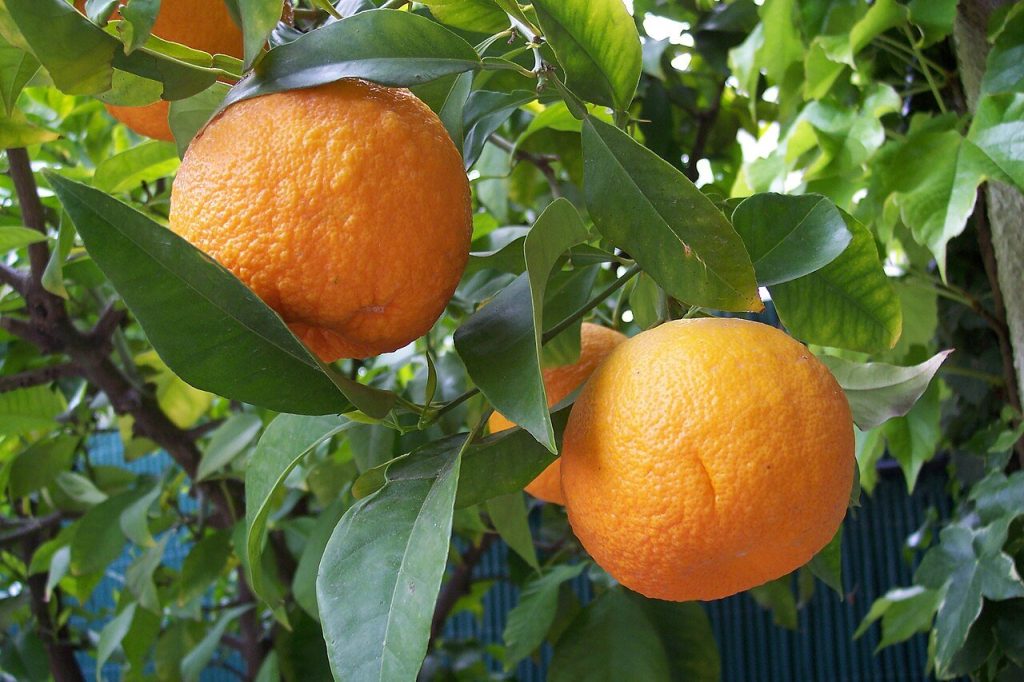
The fruits are remarkably large, ranging from 10.5 oz to 2.2 lb (300 g to 1 kg) at full maturity, with thick, highly fragrant orange skin. The flesh is very juicy, with complex tart aromas that produce an excellent juice recalling lemon in aromatic richness. The fruit contains many seeds, characteristic of bitter oranges, but the skin and juice are the most valuable parts. The fruits can stay on the tree for a very long time, a particularly ornamental trait.Flavor and ornamental interest
The Australian Bitter Orange is remarkable in the kitchen: its tart, fragrant juice is used to make exceptional marmalades, aromatic syrups and winter jams. Its skin concentrates the most precious aromas for flavoring pastries, liqueurs and marinades. In savory cooking, it is used to advantage in place of lemon in vinaigrettes and Asian-style dishes. As an ornamental, its vigorous habit and very heavy winter fruiting make it a spectacular tree in a Mediterranean garden. Its hardiness at 10°F (−12°C) opens its cultivation to gardens in zone 8a.
Back to the collection
Updated: