Savory cooking

Illustration of Tavares limequat with fruit and foliage in a garden or harvest setting.

Tavares Limequat

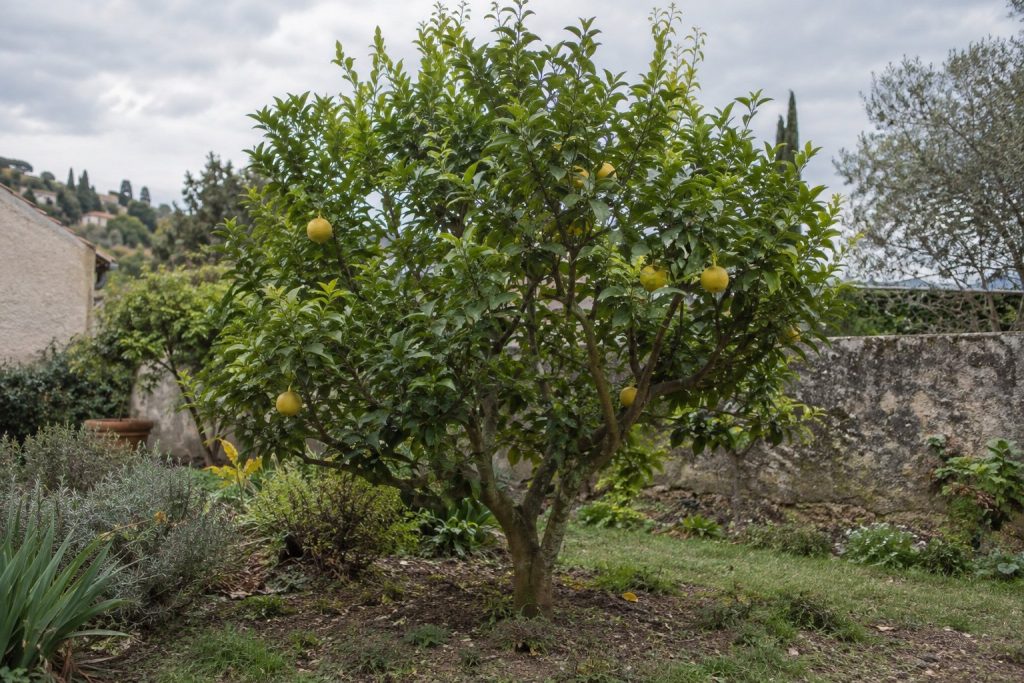
Tavares limequat (Citrus × floridana ‘Tavares’) is a fruiting hybrid of West Indian lime and oval kumquat. W. T. Swingle obtained it in Florida in 1909; the name was published in 1913. The French growers Vessières and Agrumes de Provence report 16°F (−9°C) for the tree; this commercial indication does not guarantee survival under a prolonged freeze. Vessières gives an evergreen tree of 7 ft (2 m) with moderate growth. The small oval fruits turn yellow to yellow-orange and provide a fragrant, sour juice, with few seeds according to this grower. Their peel can also be used in cooking. Ripening can be spread over the year, depending on the climate. Juice, sauces, and candied fruit are its main uses. USDA zone 8b is an equivalence calculated from 16°F (−9°C), not an official classification of the clone. In France, grow in sun, in well-drained soil and sheltered from wind, with protection for young trees.
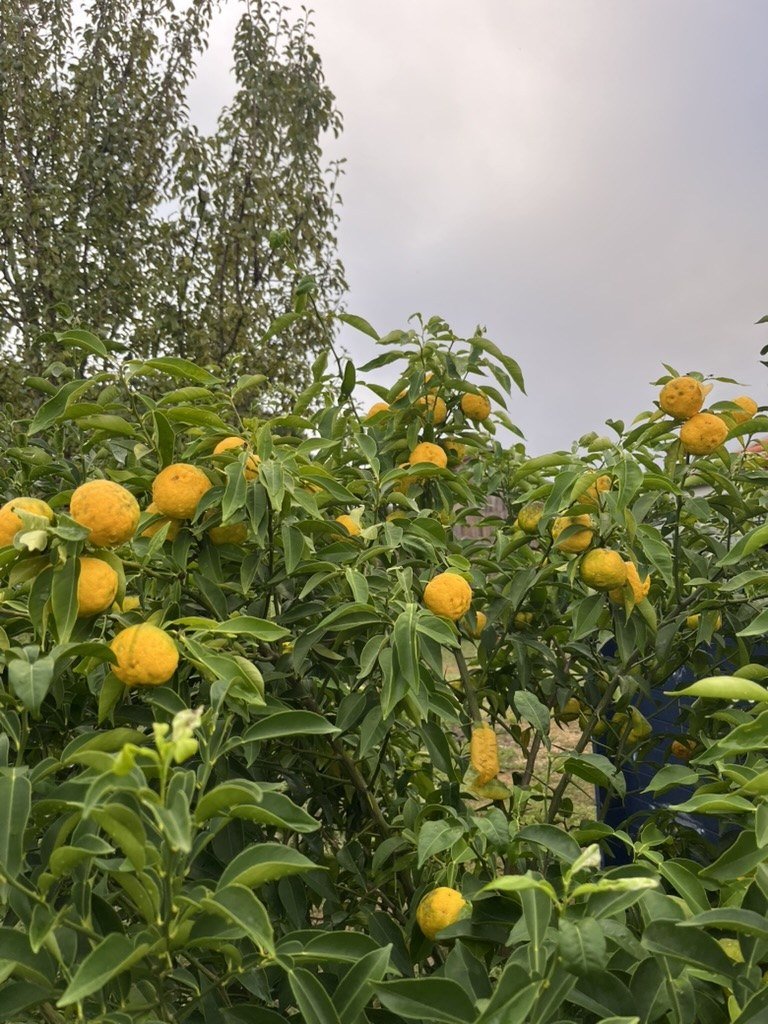
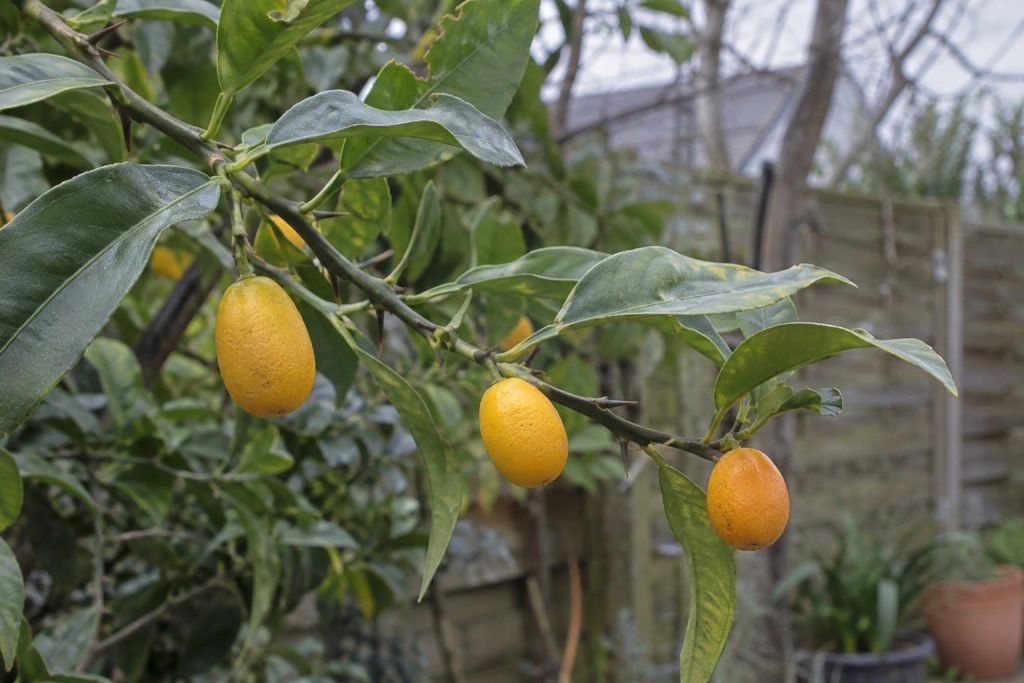
A garden citrus tree bearing yellow-orange fruit

Yuzu

Yuzu (Citrus × junos) is a citrus of hybrid origin, native to China and emblematic of Japanese cooking. Its fragrant zest and sour juice flavor sauces, pastries, and jams. With a hardiness reference of 5°F (−15°C) for a well-established adult tree, it is among the few citrus suited to in-ground growing in most French regions. The limiting USDA zone retained is 7b. Choose sun, wind shelter, and drainage; protect young plants during the first winters. The evergreen, thorny tree with white flowers often reaches 5 to 10 ft (1.5 to 3 m) in cultivation. This entry presents the classic yuzu, with no named selection. The rounded fruits turn yellow and contain many seeds. The harvest is generally from October to December depending on the climate. The tree’s hardiness does not guarantee that of the fruit. Guide to growing yuzu in containers and in the ground.

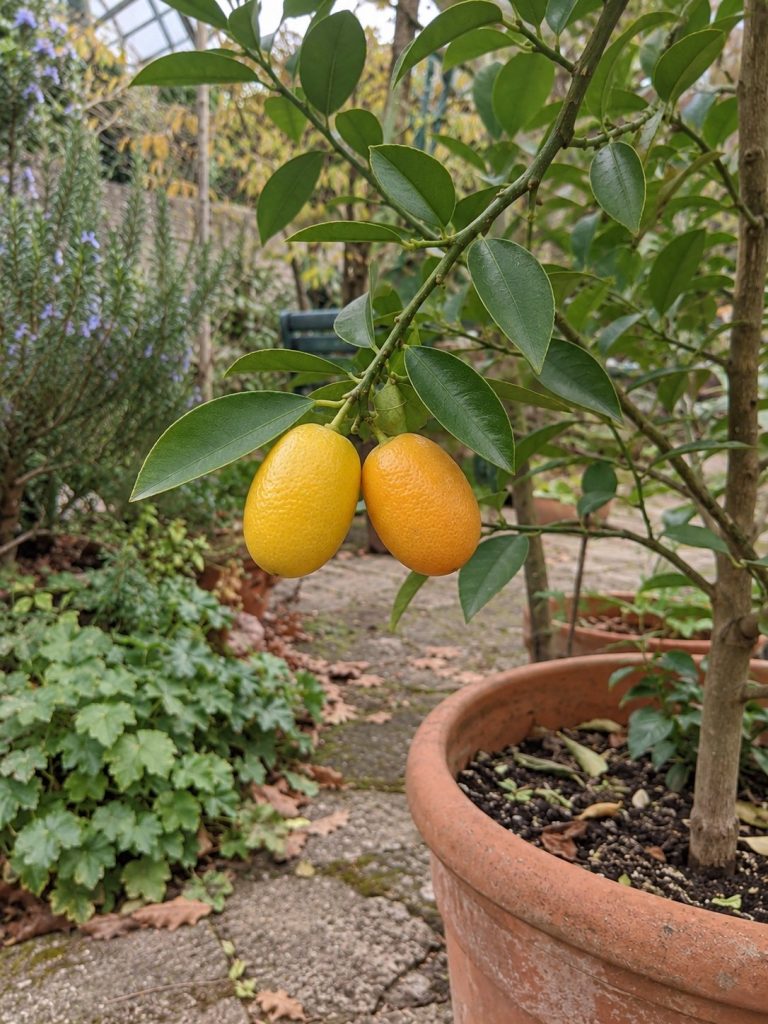
Elongated yellow and orange citrus fruit hanging on branches

Ichangquat 6-7-2

Ichangquat 6-7-2 (Citrus cavaleriei ‘Ichangquat 6-7-2’) is a remarkable contemporary hybrid obtained by crossing the Ichang papeda (Citrus ichangensis) with a kumquat (Fortunella). The code 6-7-2 refers to the generation and the individual number in the original selection program. Its exceptional hardiness reaches 0°F (−18°C) according to French-language forum observations, making it one of the few citrus with culinary fruit that can be grown in the ground up to USDA zone 7a, including under markedly continental climates. The compact tree reaches 7 to 10 ft (2 to 3 m) with evergreen foliage recalling both the Ichang papeda (typical winged petioles) and the kumquat, and bears a few fine thorns. Its small fruits of 0.5 to 1 oz (15 to 30 g), with thin, sweet, edible skin and tart, fragrant flesh, are eaten whole. Excellent in confectionery, marmalade, and liqueur. Grafted onto Poncirus, viable up to zone 7a.

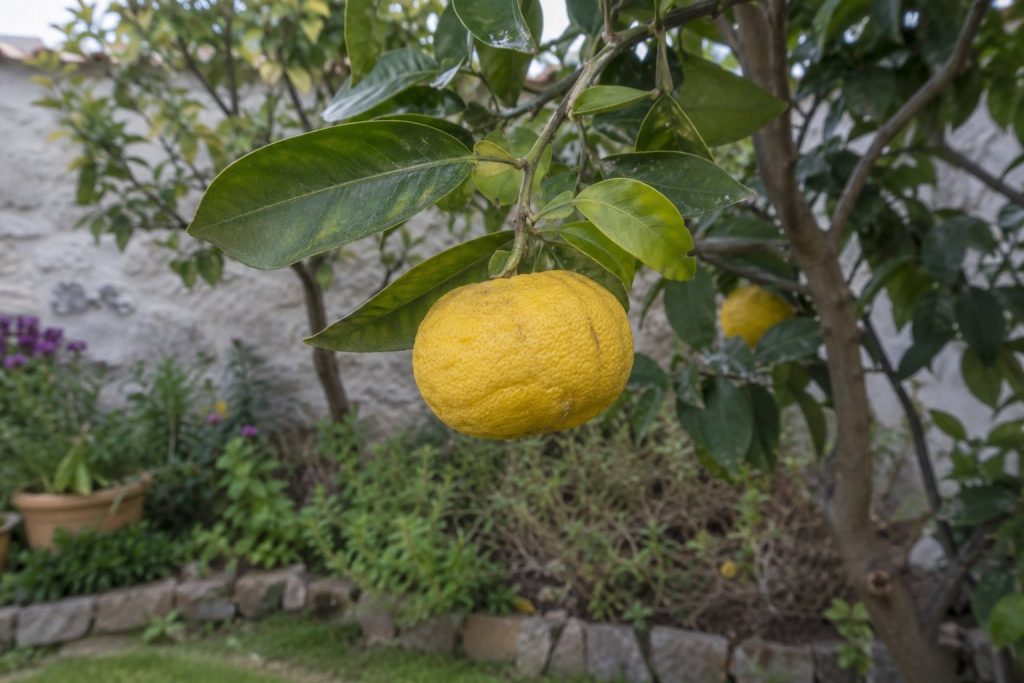
A garden citrus tree bearing yellow fruit beside a stone wall

Pursha Lime

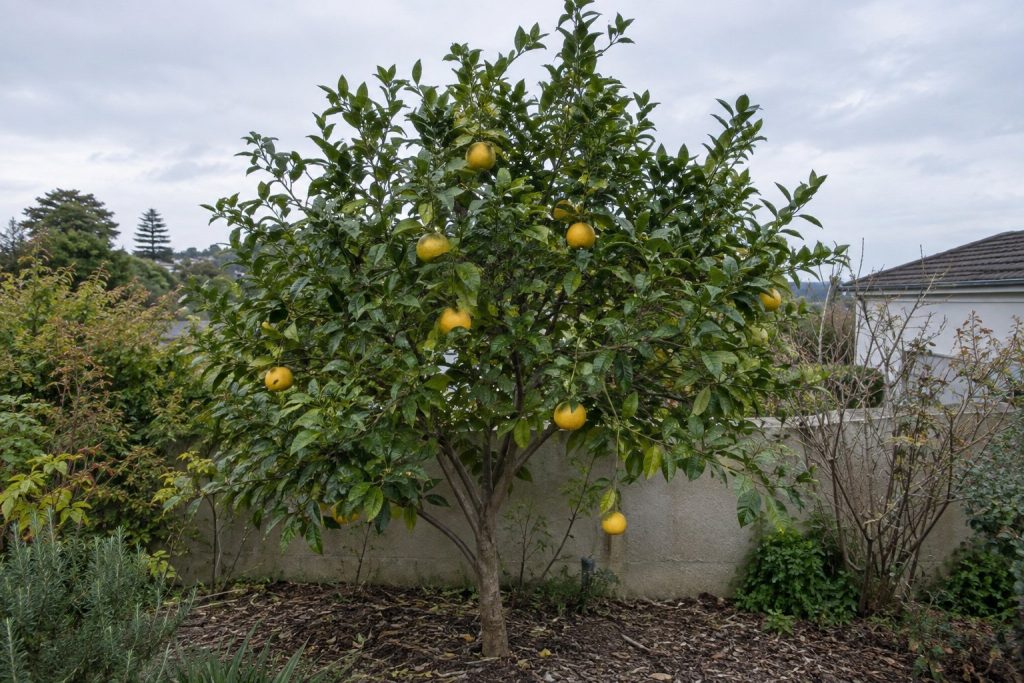
Pursha lime (Citrus limetta ‘Pursha’), also called Rome sweet lime, is an old Italian variety born from a natural cross between the Indian Rangpur lime and the Japanese Shekwasha mandarin. Native to the area around Rome, where it has been grown for several centuries, it was recently rediscovered by specialized French nurseries. Its hardiness reaches 16°F (−9°C) in a sheltered position, which makes it viable up to USDA zone 8b. The tree forms a compact but vigorous specimen reaching 7 to 10 ft (2 to 3 m) with a rounded habit, soft green evergreen foliage, and highly fragrant white flowers, sometimes reblooming. Its round yellow fruits, weighing 2.1 to 3.5 oz (60 to 100 g), have very juicy green-yellow flesh with a paradoxical taste: very mild and sweet despite the look of a lime. Excellent as juice, in marinades, and in pastry. Grafted onto Poncirus trifoliata, ideally against a south-facing wall.

A citrus tree bearing yellow fruit beside a wall

Citrus Taiwanica (Nansho Daidai)

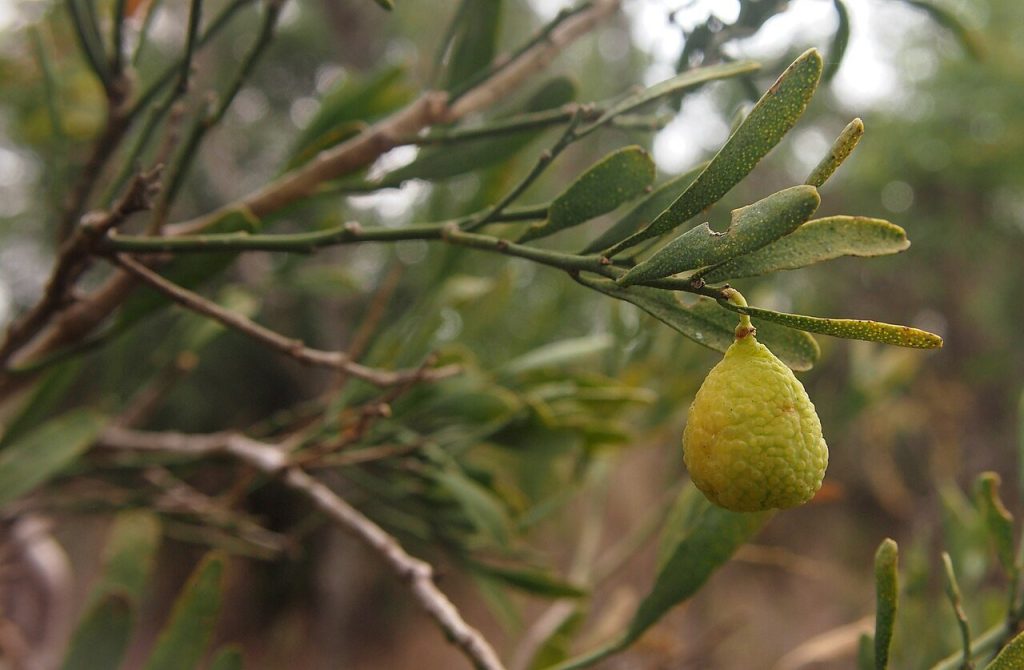
Citrus taiwanica Nansho-Daidai (Citrus taiwanica Tanaka & Shimada) is the formal botanical classification of the Taiwanese lemon, a plant endemic to Taiwan reported in the Hsinchu and Nanzhuang regions and in the low-elevation forests of the east of the island by the Taiwanese forestry administration. Its hardiness reaches 9°F (−13°C) on the tree, making it suitable for in-ground growing in USDA zones 7b and 8a. The tree reaches 10 to 13 ft (3 to 4 m) with an upright, thorny habit, aromatic evergreen foliage, and highly fragrant white flowers. Its yellow-green fruits at full maturity, medium-sized, with thick, bumpy skin, ripen in winter and hold a very sour, fragrant juice reminiscent of a natural cross between lemon and bitter orange, with unique resinous notes. Traditionally used in Taiwan in cooking, vinegar, marinade, and traditional medicine. Graft onto Poncirus trifoliata, plant against a south wall.

A green citrus fruit on a branch with narrow leaves

Eremorange 2

The Eremorange 2 (Citrus glauca × Eremorange) is an Australian double hybrid combining the desert lime (Eremocitrus glauca) with an earlier Eremorange, to push further the combined resistance to cold and drought. Its hardiness reaches 10°F (−12°C) on the tree, making it suitable for planting in the ground in USDA zone 8a. The tree grows 7 to 10 ft (2 to 3 m) tall with a spreading habit, almost exotic silvery foliage recalling an olive tree, a trait inherited from the desert parent, and discreet white flowers. Its small, light orange fruits, with thin skin, ripen in fall and winter with juicy flesh and an original tart taste blending orange and lemony-brackish notes from the Australian parent. Very ornamental, particularly suited to dry Mediterranean and continental gardens. Exceptional tolerance of summer drought. Graft onto Poncirus trifoliata, perfectly drained soil, full sun exposure.

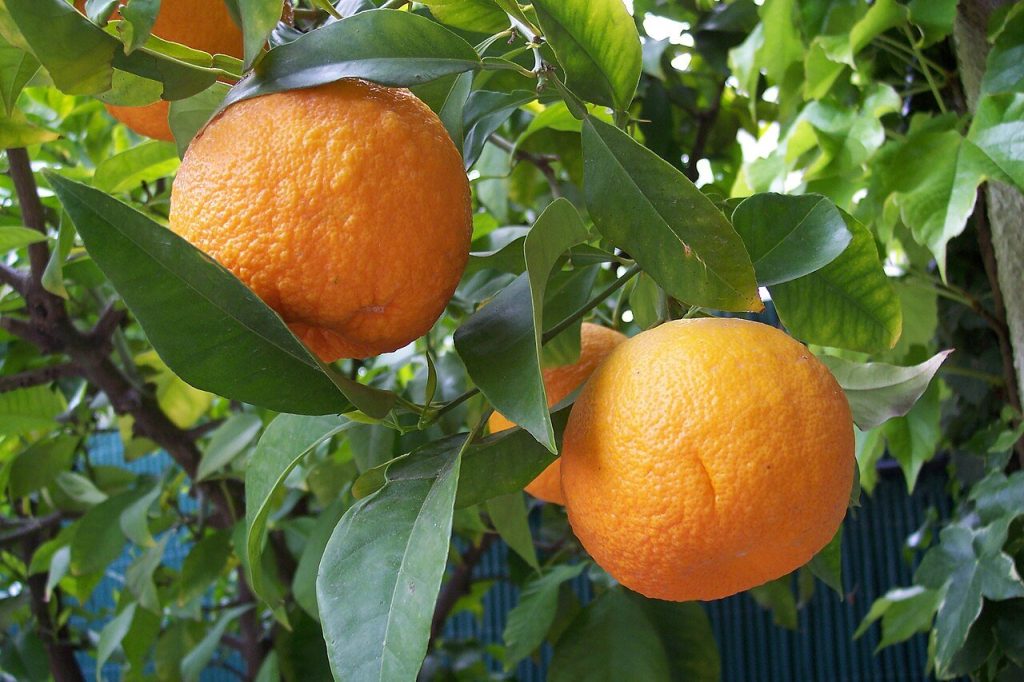
Two orange citrus fruit among glossy leaves

Australian Bitter Orange

The Australian Bitter Orange (Citrus aurantium ‘Australian’) is a complex hybrid combining the classic bitter orange with Citrus taiwanica, pummelo and mandarin parents, selected to combine the hardiness of the bitter orange with the aromatic richness of Eastern citrus. Its hardiness reaches 10°F (−12°C) on the tree, making it suitable for planting in the ground in USDA zone 8a. The vigorous tree grows 10 to 13 ft (3 to 4 m) tall with a rounded, thorny habit, aromatic evergreen foliage and very fragrant white flowers in spring. Its bitter orange, medium-sized fruits, with thick, rough skin, ripen in winter and concentrate a frank bitterness tempered by complex floral notes. Excellent in marmalade, jam, candied peel and liqueur (Curaçao and Grand Marnier types). Graft onto Poncirus trifoliata for hardiness, plant against a south-facing wall, in well-drained soil. Harvest in January to March.

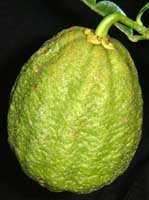
A ridged green citrus fruit against a dark background

Ichang Papeda x IVIA

The Ichang Papeda x IVIA (Citrus ichangensis × papeda ‘IVIA’) is a hybrid between the Chinese Ichang papeda and an Asian papeda, selected by the IVIA institute in Valencia, Spain, to combine maximum hardiness with disease resistance. Its hardiness reaches 5°F (−15°C) on the tree, among the hardiest edible citrus in the world, making it suitable for planting in the ground in USDA zone 7b. The vigorous tree grows 10 to 13 ft (3 to 4 m) tall with an upright, thorny habit, aromatic evergreen foliage characteristic of papedas (large winged petiole) and fragrant white flowers. Its yellow, round, bumpy, medium-sized fruits, with thick skin, ripen in winter, with January to February as the harvest benchmark used in this entry, and concentrate a sour juice with unique aromas blending lemon, mandarin and resinous notes. Used mostly for zest and in niche cooking. Graft onto Poncirus trifoliata.

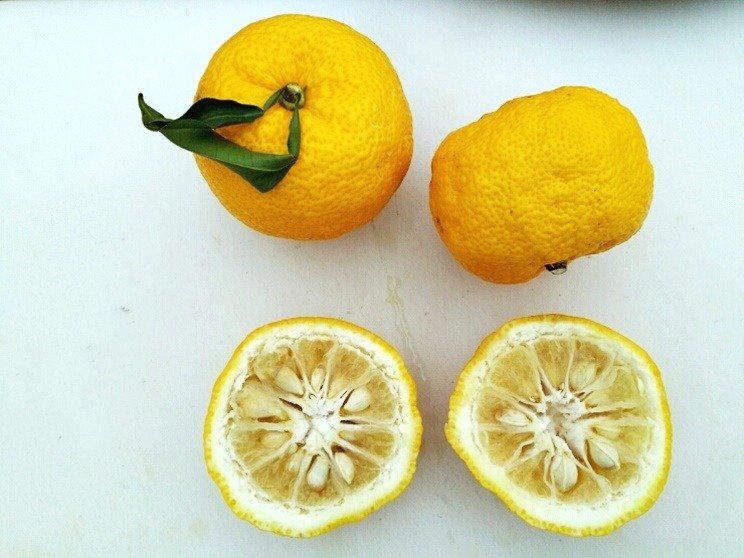
Whole and halved rough-skinned yellow citrus fruit

Corsican Yuzu

The Corsican Yuzu (Citrus junos ‘Corse’) is a French selection from the INRAE San Giuliano program in Corsica, which has been acclimating and improving the Japanese yuzu since the 1980s. Its hardiness reaches 9°F (−13°C) on the tree and allows it to be grown in the ground in USDA zones 7b and 8a. The tree grows 7 to 13 ft (2 to 4 m) tall with a spreading rounded habit, aromatic evergreen foliage and very fragrant white flowers. Its golden yellow, round, bumpy fruits, with thick, rough skin, ripen in October and November and concentrate authentic yuzu juice with aromas blending mandarin, grapefruit and orange blossom. Very sour and fragrant. Excellent as zest, as juice, in ponzu vinegar and in pastry. A French pride in yuzu acclimatization, to be preferred over imported yuzu. Graft onto Poncirus trifoliata.

A rough yellow citrus fruit hanging on a branch

Kotokan

The Kotokan (Citrus × kotokan Hayata) is a rare wild citrus native to Taiwan and southern Japan, classed as an ancient species that served as a parent to several modern hybrids. Its hardiness reaches 14°F (−10°C) on the tree, making it suitable for planting in the ground in USDA zone 8a. The tree grows 7 to 13 ft (2 to 4 m) tall with a compact rounded habit, aromatic evergreen foliage and fragrant white flowers. Its yellow-orange, round fruits, 2 to 2.8 in (5 to 7 cm) across, with thick, bumpy skin, ripen in fall and winter and offer a very sour, fragrant juice with unique notes recalling a blend of lemon, sudachi and wild mandarin. A few seeds. Used mostly in traditional Asian cooking and by collectors of old citrus. Graft onto Poncirus trifoliata, plant against a south-facing wall, in well-drained soil.

Scroll to Top