Cold hardiness
5°F (−15°C)
Identity
OriginSpain (Instituto Valenciano de Investigaciones Agrarias, Valencia)
Genetic originCitrus ichangensis × Citrus papeda hybrid developed by IVIA
USDA zone7b
Cold hardiness5°F (−15°C)
Fruit cold hardiness23°F (−5°C)
GrowthVigorous
Height10 ft (3 m)
HarvestJanuary, February
SeedsModerate
UsesJuice, Preserves, Savory cooking
FlavorsSour, Highly aromatic
History & Description
Origin
The Ichang Papeda x IVIA is a hybrid developed in the 2000s by the Instituto Valenciano de Investigaciones Agrarias (IVIA), the agricultural research institute of the Valencia region in Spain. This breeding program aimed to cross the Ichang papeda, Citrus ichangensis, famous for its extreme hardiness, with other papedas to produce a citrus both useful in the kitchen and able to withstand European continental winters. The result is a tree with a marked ornamental character, with the winged petioles typical of papedas, that combines vigor, productivity and exceptional resistance to cold. Distributed in France by specialist nurseries such as Quissac, it remains an obscure variety reserved for informed amateurs and collection gardens. It embodies the continuity of a European scientific tradition of breeding citrus adapted to cold climates.Tree description
The tree is vigorous and reaches 10 ft (3 m) tall at maturity, with an upright habit and deep green evergreen foliage. The leaves have the winged petioles characteristic of papedas, an unmistakable sign of their genetic heritage. The spring bloom is white and fragrant, followed by very abundant fruiting. Growth is fast, allowing fruiting as early as the third or fourth year after planting. This tree withstands without protection the very severe frosts of zone 7b.Fruit quality
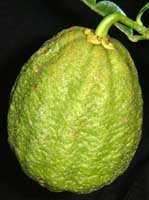
The fruit is fairly large and round, bright yellow at maturity, with moderately thick, highly fragrant skin. The flesh is very juicy and tart, with a rich, complex taste blending notes of classic citrus and wild papeda. Seeds are present in moderate numbers, reflecting the natural heritage of papedas. The zest concentrates powerful aromas usable in cooking and confectionery.Flavor and ornamental interest
Picked before full maturity, the fruit is used like a lemon in all preparations: juice, marinades, vinaigrettes, jams and aromatic syrups. Left to full maturity, it becomes milder and suits winter marmalades. As an ornamental, the prolonged keeping of the fruits on the tree offers an exceptional decorative spectacle in midwinter. Its hardiness at 5°F (−15°C) makes it one of the most reliable citrus for zone 7b, opening the cultivation of edible citrus in regions traditionally excluded.
Back to the collection
Updated: