Variety profile

Dragon Yuzu (Tortuosa)

(Citrus junos 'Tortuosa')

Documented by Léo — grown in the ground, USDA zone 8b

Dragon Yuzu (Citrus junos 'Tortuosa'), also called Tortuosa Yuzu, is a Japanese variant of yuzu notable for its twisted, dragon-like branches, a highly ornamental genetic trait. Its hardiness reaches 10°F (−12°C) on the tree, making it suitable for in-ground growing in USDA zone 8a. The tree reaches 7 to 10 ft (2 to 3 m) with a compact, rounded habit and characteristic spiral branches, aromatic evergreen foliage, and very fragrant white flowers. Its golden yellow, round and bumpy, medium-sized fruits, with thick skin, ripen in October to November and hold authentic yuzu juice with a taste quality comparable to classic yuzu, very tart and fragrant. Ideal in pastry, sauces, and ponzu vinegar. Particularly decorative in winter after the partial leaf drop, showing off its spectacular twisted branches. Graft onto Poncirus trifoliata.

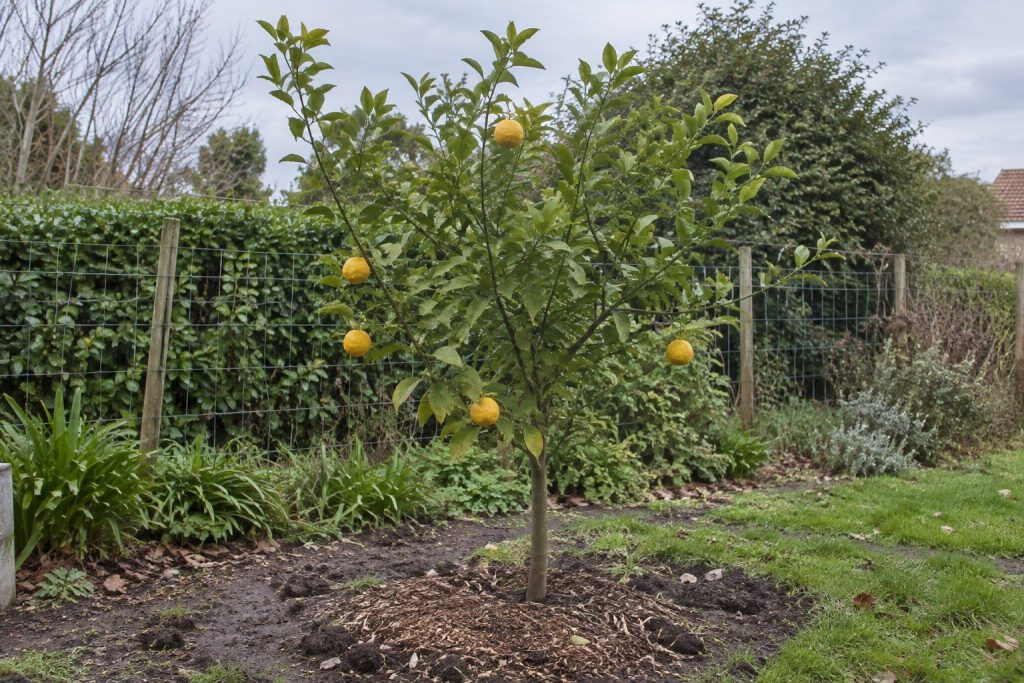
A small citrus tree bearing yellow fruit beside a hedge
AI-generated illustration. It does not authenticate cultivar identity or cold tolerance.
Cold hardiness 10°F (−12°C)

Identity

OriginJapan
Genetic originGrowth mutation of Citrus junos
USDA zone
Cold hardiness10°F (−12°C)
Fruit cold hardiness25°F (−4°C)
GrowthSlow
Height10 ft (3 m)
HarvestOctober, November, December
SeedsMany
FlavorsSour, Highly aromatic, Peppery

History & Description

Origin

Dragon Yuzu, or 'Twisted Yuzu', is a spectacular ornamental mutation of classic yuzu. It should not be confused with the Poncirus 'Flying Dragon', although it shares that characteristic twisted growth.

Tree description

It is a true living sculpture. Its branches grow in a zigzag (twisted), with strong, curved thorns. Its growth is slower than the standard type, which makes it ideal for pot culture or Zen gardens.

Fruit quality

It produces fruits identical to common yuzu: round, yellow at maturity, with thick, aromatic skin. Production is generally lower than on a standard tree.

Flavor and ornamental interest

The interest is above all visual and structural ("Feng Shui"), the tree being beautiful even in winter without leaves (if deciduous) or with its fruit. The fruit is used like any yuzu: for its precious zest and tart juice.
Back to the collection

Updated:

"Growing rare citrus means accepting that nature has the last word, while whispering in its ear how to survive the winter."

Scroll to Top