Sweet cooking

Illustration of Tavares limequat with fruit and foliage in a garden or harvest setting.

Tavares Limequat

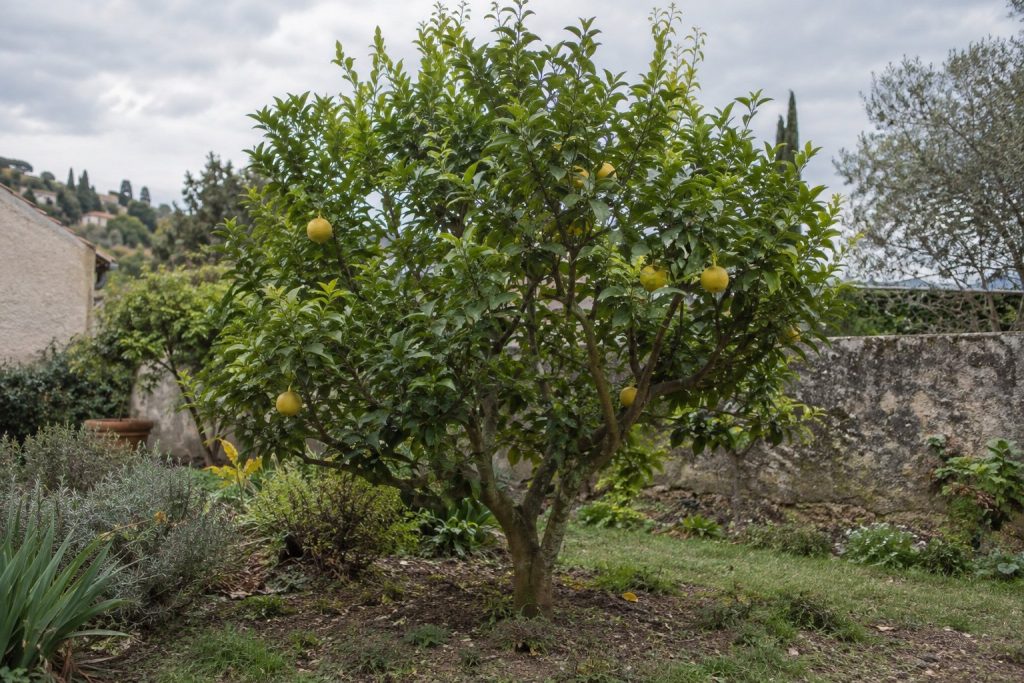
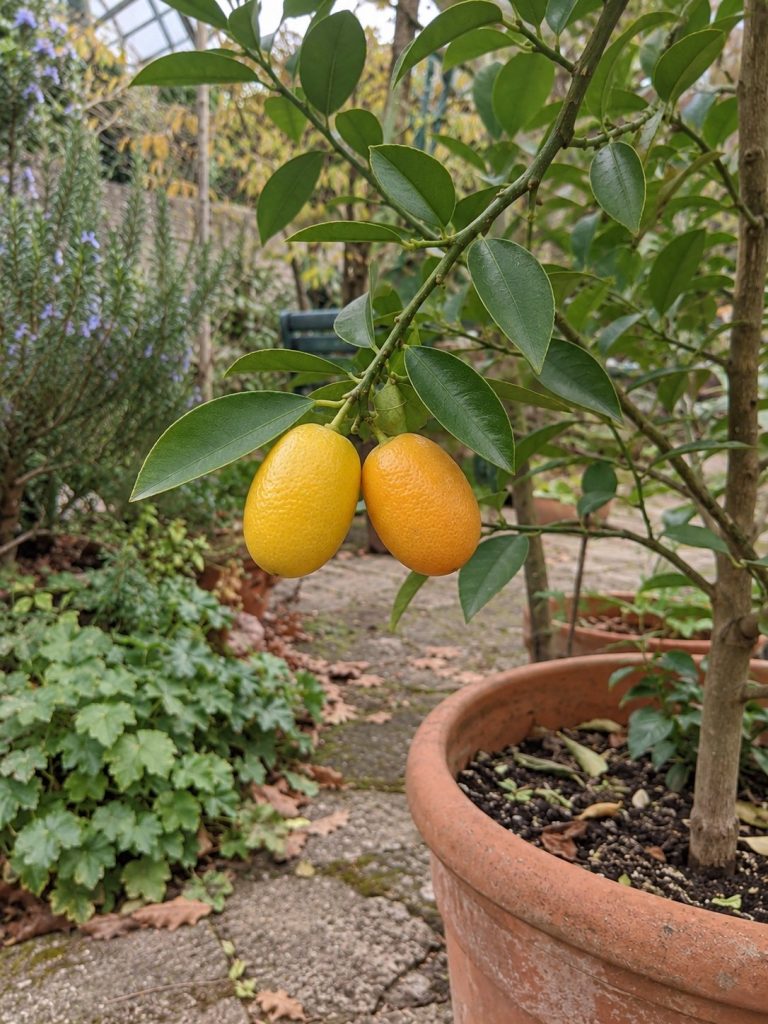
Tavares limequat (Citrus × floridana ‘Tavares’) is a fruiting hybrid of West Indian lime and oval kumquat. W. T. Swingle obtained it in Florida in 1909; the name was published in 1913. The French growers Vessières and Agrumes de Provence report 16°F (−9°C) for the tree; this commercial indication does not guarantee survival under a prolonged freeze. Vessières gives an evergreen tree of 7 ft (2 m) with moderate growth. The small oval fruits turn yellow to yellow-orange and provide a fragrant, sour juice, with few seeds according to this grower. Their peel can also be used in cooking. Ripening can be spread over the year, depending on the climate. Juice, sauces, and candied fruit are its main uses. USDA zone 8b is an equivalence calculated from 16°F (−9°C), not an official classification of the clone. In France, grow in sun, in well-drained soil and sheltered from wind, with protection for young trees.
A garden citrus tree bearing yellow-orange fruit

Yuzu

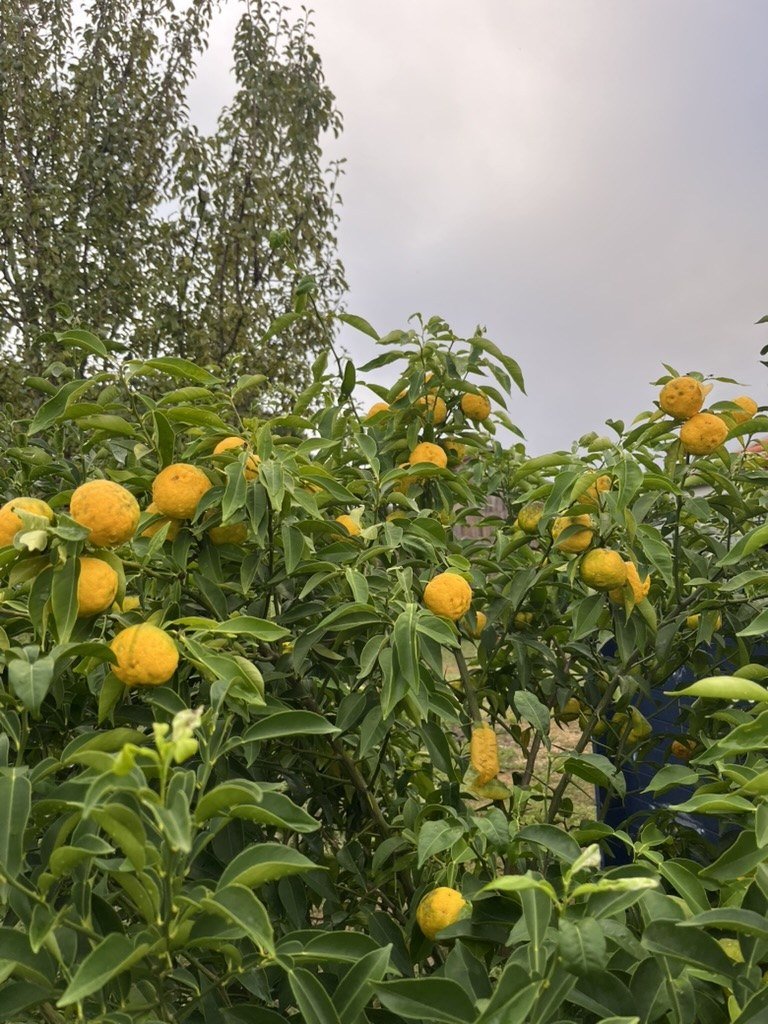
Yuzu (Citrus × junos) is a citrus of hybrid origin, native to China and emblematic of Japanese cooking. Its fragrant zest and sour juice flavor sauces, pastries, and jams. With a hardiness reference of 5°F (−15°C) for a well-established adult tree, it is among the few citrus suited to in-ground growing in most French regions. The limiting USDA zone retained is 7b. Choose sun, wind shelter, and drainage; protect young plants during the first winters. The evergreen, thorny tree with white flowers often reaches 5 to 10 ft (1.5 to 3 m) in cultivation. This entry presents the classic yuzu, with no named selection. The rounded fruits turn yellow and contain many seeds. The harvest is generally from October to December depending on the climate. The tree’s hardiness does not guarantee that of the fruit. Guide to growing yuzu in containers and in the ground.

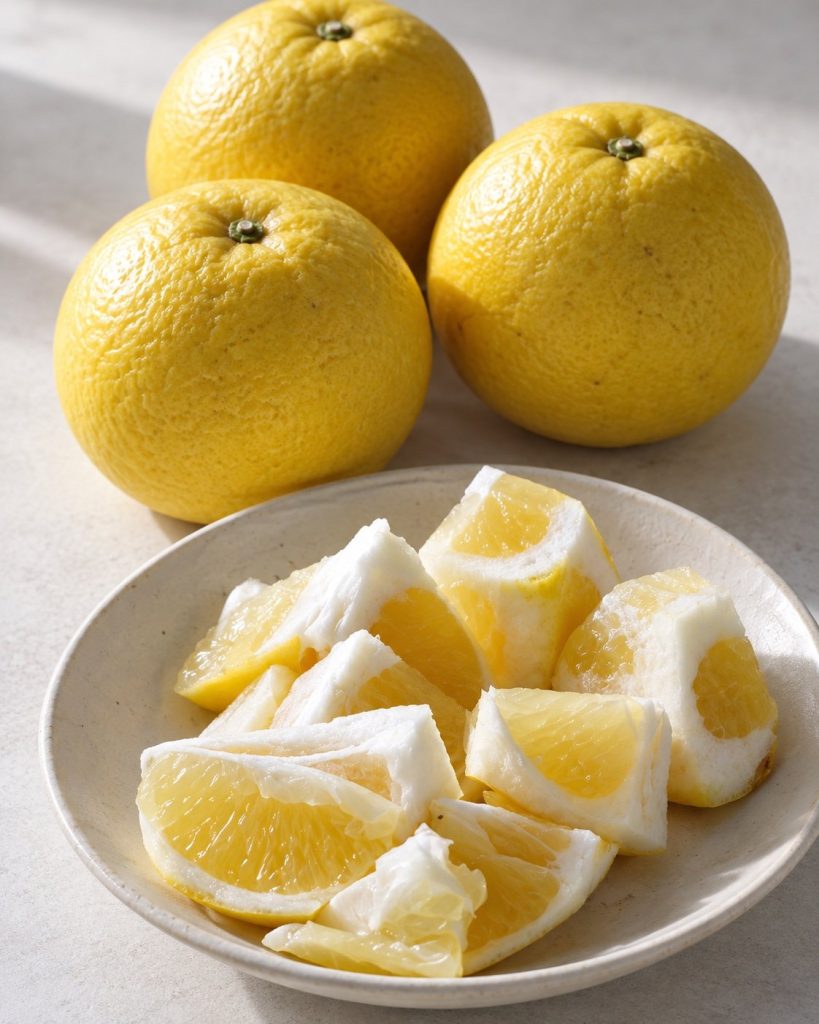
Yellow citrus fruit and peeled segments on a plate

Hyuganatsu

Hyuganatsu (Citrus tamurana) is a Japanese citrus from a chance seedling, prized for its edible white albedo. Discovered around 1820 in Miyazaki, on the island of Kyushu, it is also called Konatsu. Its full parentage is unknown. Nurseries report 16°F (−9°C) on an adult, acclimated tree during a brief freeze. This reference theoretically corresponds to USDA zone 8b, without guaranteeing a harvest. The evergreen tree reaches about 10 ft (3 m) in cultivation. Its growth is vigorous and its spring bloom is white. The yellow, medium-sized fruits have juicy, tart flesh. Ripening is spread from January to May depending on where it is grown. Removing the yellow peel and eating the white with the pulp balances the acidity. The classic type requires cross-pollination and can contain many seeds. Fresh fruit, juice, and desserts showcase its flavor. Plan a sheltered spot, well-draining soil, and, in cold climates, a pot overwintered frost-free.

A garden citrus tree bearing yellow fruit beside a stone wall

Pursha Lime

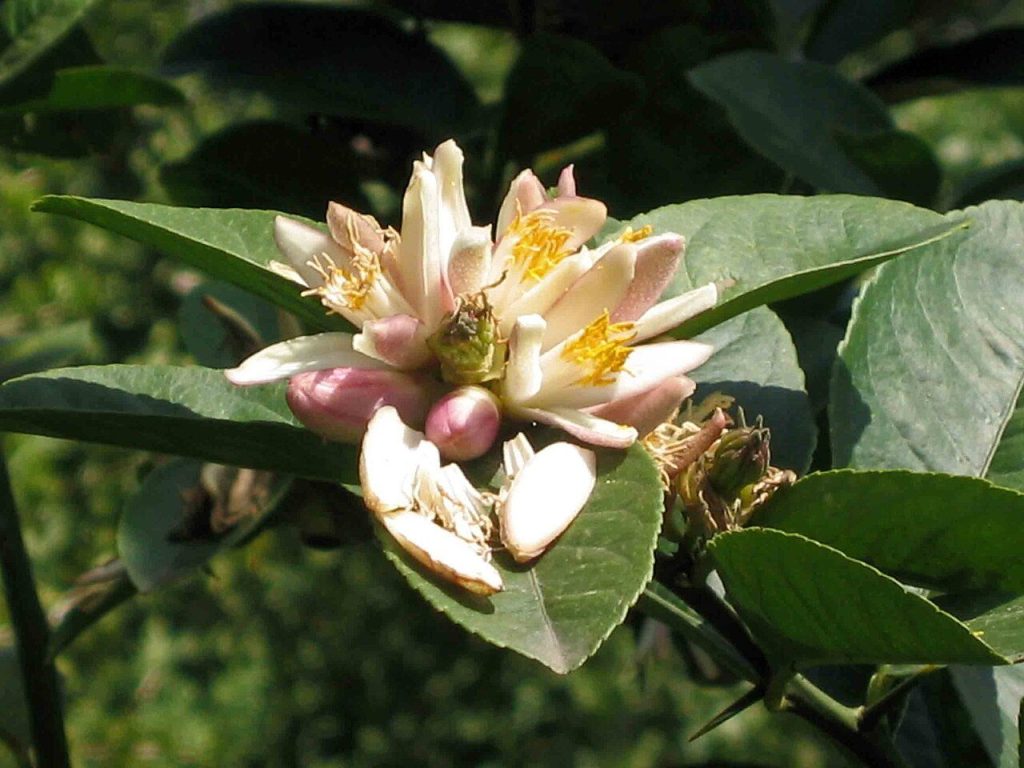
Pursha lime (Citrus limetta ‘Pursha’), also called Rome sweet lime, is an old Italian variety born from a natural cross between the Indian Rangpur lime and the Japanese Shekwasha mandarin. Native to the area around Rome, where it has been grown for several centuries, it was recently rediscovered by specialized French nurseries. Its hardiness reaches 16°F (−9°C) in a sheltered position, which makes it viable up to USDA zone 8b. The tree forms a compact but vigorous specimen reaching 7 to 10 ft (2 to 3 m) with a rounded habit, soft green evergreen foliage, and highly fragrant white flowers, sometimes reblooming. Its round yellow fruits, weighing 2.1 to 3.5 oz (60 to 100 g), have very juicy green-yellow flesh with a paradoxical taste: very mild and sweet despite the look of a lime. Excellent as juice, in marinades, and in pastry. Grafted onto Poncirus trifoliata, ideally against a south-facing wall.

White and pink citrus blossoms among green leaves

Ichanglemon

The Ichanglemon (Citrus wilsonii) is a wild Chinese citrus, an ancient natural hybrid between the Ichang papeda and a primitive lemon, native to the mountains of southwestern China. Its hardiness is reported at 5°F (−15°C) for a well-established adult tree, among the hardiest edible citrus, making it suitable for planting in the ground in USDA zones 7b and 8a. The vigorous tree grows 10 to 16 ft (3 to 5 m) tall with an upright, thorny habit, evergreen foliage with the large winged petiole inherited from the papeda parent, and fragrant white spring flowers. Its yellow, round, bumpy, medium to large fruits (7 to 12 oz, or 200 to 350 g), with thick, rough skin, ripen in winter and give a very fragrant, aromatic sour juice recalling a wild lemon with grapefruit notes. Traditionally used in Chinese and Tibetan cooking. Graft onto Poncirus trifoliata.

A selection of colorful citrus slices viewed from above

Blood Clementine

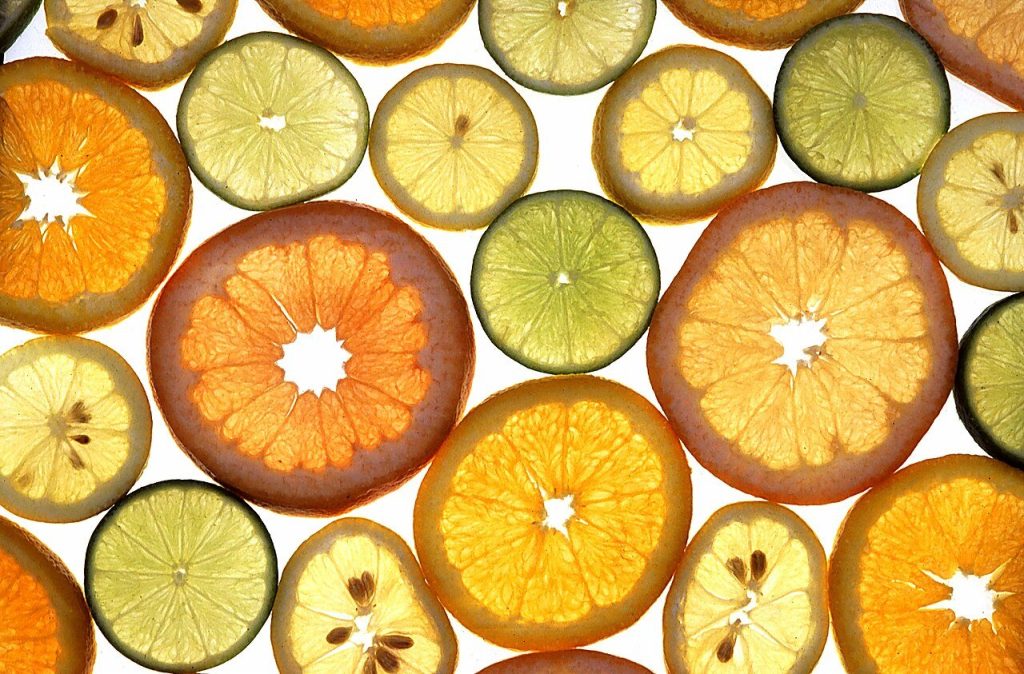
The Blood Clementine (Citrus × ‘Clementine Sanguine’), a hybrid of the clementine and the Moro blood orange, combines the clementine’s easy peeling with the intense red coloring of a blood orange. Its hardiness reaches 14°F (−10°C) on the tree, making it suitable for planting in the ground in USDA zones 8a to 8b. The tree grows 7 to 13 ft (2 to 4 m) tall with a rounded habit, evergreen foliage and fragrant white flowers. Its deep orange-red, medium-sized fruits (3.5 to 6.3 oz, or 100 to 180 g), with thin, easy-to-peel skin, ripen from December to February, with juicy flesh pigmented with anthocyanins (red to deep red), sweet, slightly tart and fragrant, with raspberry notes. Spectacular to look at and as juice (intense color). Excellent fresh, as juice and in sorbet. Graft onto Poncirus trifoliata, south-facing wall.

Round yellow citrus fruit hanging among green leaves

Hassaku Pento

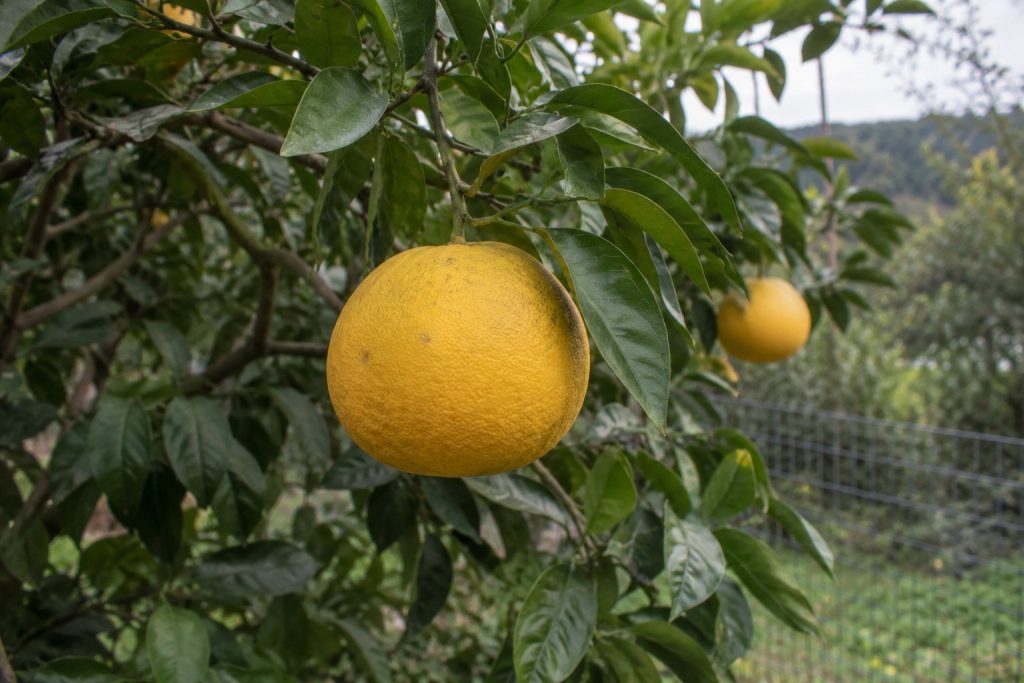
The Hassaku Pento (Citrus × hassaku ‘Pento’) is a variant of the Japanese Hassaku, a pummelo-bitter orange hybrid citrus from Innoshima Island in Hiroshima Prefecture. Its hardiness reaches 10°F (−12°C) on the tree, making it suitable for planting in the ground in USDA zone 8a. The vigorous tree grows 10 to 16 ft (3 to 5 m) tall with an imposing rounded habit, evergreen foliage and fragrant white flowers. Its large yellow-orange fruits (8.8 to 14 oz, or 250 to 400 g), with thick, rough skin, ripen in November and December and offer slightly bitter flesh with balanced acidity and a complex aroma blending grapefruit and bitter orange. Excellent fresh for lovers of bold flavors, as juice and in marmalade. Graft onto Poncirus trifoliata, plant against a south-facing wall, in well-drained soil. A variety prized by connoisseurs of Japanese citrus.

Close-up of a heart-shaped tattoo bearing the word "Love".

Valentine Pummelo

The Valentine Pummelo (Citrus × ‘Valentine’) is a modern hybrid released by the University of California, Riverside, from a cross between the Siamese Sweet pummelo and a hybrid of the Ruby blood orange and the Dancy mandarin. Its hardiness reaches 14°F (−10°C) on the tree, making it suitable for in-ground growing in USDA zones 8a to 8b. The tree reaches 10 to 16 ft (3 to 5 m) with a vigorous rounded habit, evergreen foliage, and very fragrant white blossom. Its large fruits (10.5 to 16 oz, or 300 to 450 g), with yellow-orange skin and red-pink flesh pigmented with anthocyanins, ripen in winter and offer juicy, sweet flesh, not very bitter unlike classic grapefruits, slightly tart and fragrant. Visually spectacular, especially around Valentine’s Day, hence its name. Excellent for fresh eating, in fruit salad, and as juice. Graft onto Poncirus trifoliata.

Two halves of a pale yellow citrus fruit showing seeds

No. 1 Tri Voss

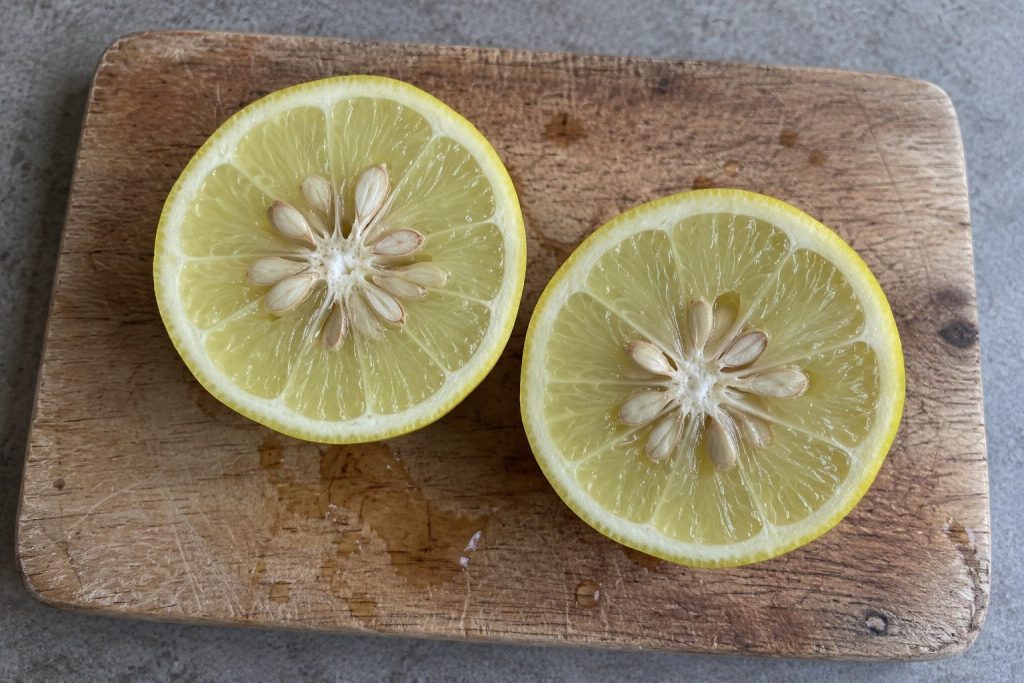
No. 1 Tri Voss (Citrus ‘Tri Voss No. 1’, Poncirus trifoliata × Citrus ichangensis), also called ‘206’, is a remarkable hybrid created by the German breeder Bernhard Voss in the 20th century, crossing Poncirus trifoliata with the Ichang papeda. Its tree hardiness reaches 5°F (−15°C), classed among the citrus to plant in USDA zone 7b by Biggio and Londeix; growing it in 7a remains to be confirmed for the site and the clone. The vigorous tree reaches 10 to 13 ft (3 to 4 m) with an upright, thorny habit, semi-evergreen foliage, and white spring flowers. Its golden-yellow round fruit, medium-sized with thick skin, ripen in November and give a fragrant, tart juice that advantageously replaces lemon in cooking. Very productive and reblooming. A reference of the European hardy hybridization programs, celebrated by citrus enthusiasts. Graft onto Poncirus trifoliata.

Three pale yellow citrus fruit on a kitchen counter

Five Star Citrumelo

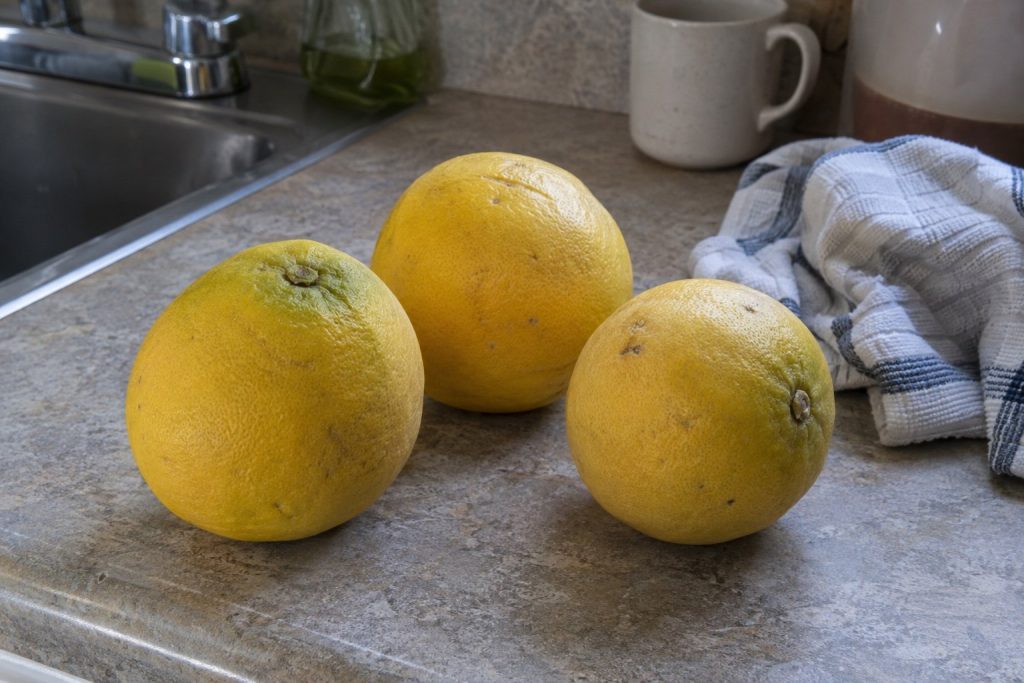
Five Star citrumelo (× Citroncirus ‘Five Star’) is a more recent Floridian selection of the citrumelo, a grapefruit × Poncirus trifoliata hybrid. Its tree hardiness reaches 5°F (−15°C), among the hardiest edible citrus, making it viable in the ground in USDA zone 7b. The compact tree reaches 8 to 13 ft (2.5 to 4 m) with a rounded, thorny habit, semi-evergreen foliage, and white spring flowers. Its fruit resemble a yellow grapefruit, 7.1 to 12.3 oz (200 to 350 g) with smooth skin, ripen in winter and give a juice that is milder and more pleasant than that of the Dunstan citrumelo, with a moderate residual bitterness. Very productive. Excellent in blended juice, marmalade, or confectionery. One of the best choices for producing a table citrus in USDA zones 7-8. Graft onto Poncirus trifoliata, plant against a south-southwest-facing wall; well-drained soil is imperative.

Scroll to Top