Sweet cooking

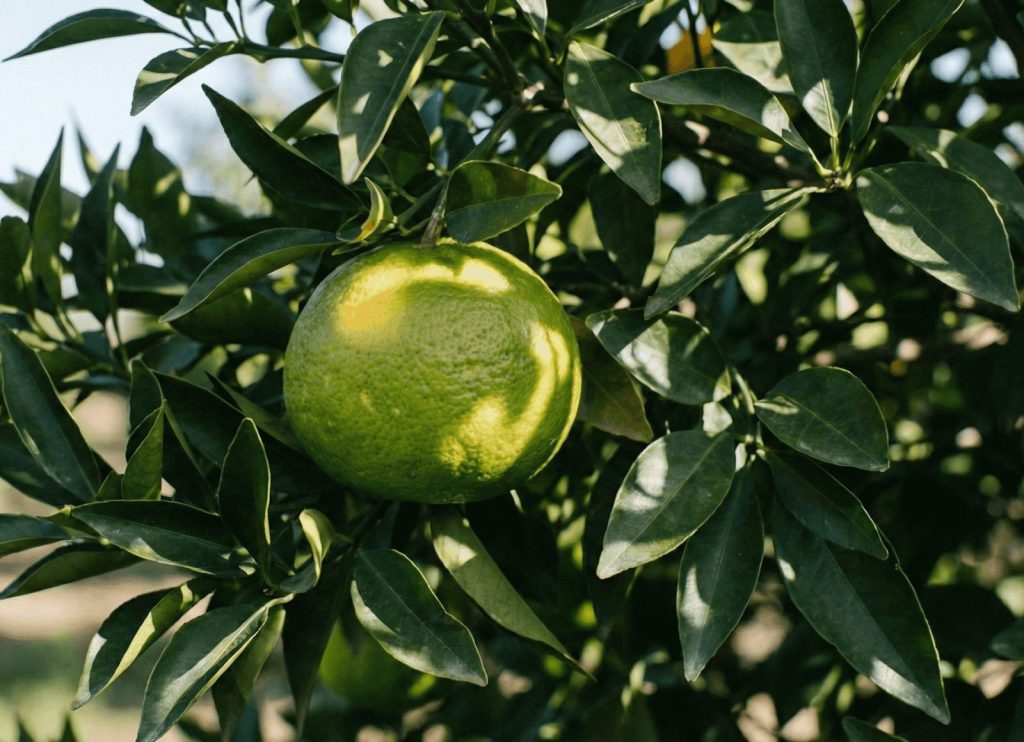
Green citrus fruit among dark green leaves

Keraji Mandarin

Keraji mandarin (Citrus reticulata ‘Keraji’) is an exceptionally hardy Japanese mandarin, withstanding 10°F (−12°C) on the tree. Native to the Okinawa archipelago and the island of Kikai, it was traditionally grown in coastal villages for centuries before being rediscovered by modern breeders. The compact tree reaches 7 to 10 ft (2 to 3 m) with a rounded habit and aromatic evergreen foliage. Its yellow-orange, flattened-round, small fruit, 1 to 2 in (3 to 5 cm), ripen in winter and have very easy-to-peel thin skin and juicy flesh with a taste balanced between sweetness and acidity, with subtle floral notes. Fragrant, with few or no seeds, it is eaten fresh for dessert or in salads. Graft onto Poncirus trifoliata to reach maximum hardiness. A rare and precious mandarin for USDA zone 7b/8a gardens.
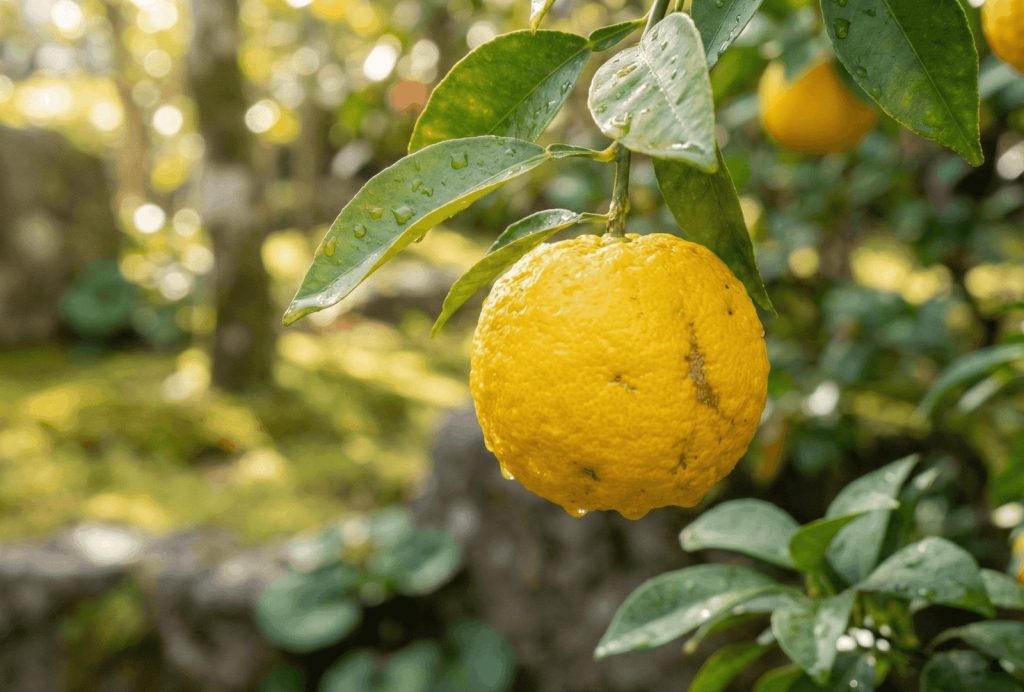
A rough-skinned yellow citrus fruit hanging among leaves

Hana Yuzu

Hana yuzu (Citrus hanayu) is a Japanese variant of the yuzu selected for its abundant, strongly fragrant bloom, as important as its fruit in Japanese tradition. Very hardy, it withstands 5°F (−15°C) on the tree, which makes it one of the yuzus best suited to USDA zone 7b and 8a gardens. The tree reaches 7 to 10 ft (2 to 3 m), with a compact rounded habit and aromatic evergreen foliage. Its very fragrant white flowers appear abundantly in spring. The yellow fruit, smaller than those of the classic yuzu, ripen in October-November with a fragrant sour juice. The flowers are traditionally used in infusions, in Japanese perfumery, and as an aromatic garnish. A tree with a dual flavor and ornamental purpose, ideal near a terrace or a window. Graft onto Poncirus trifoliata, plant against a south-southwest-facing wall.

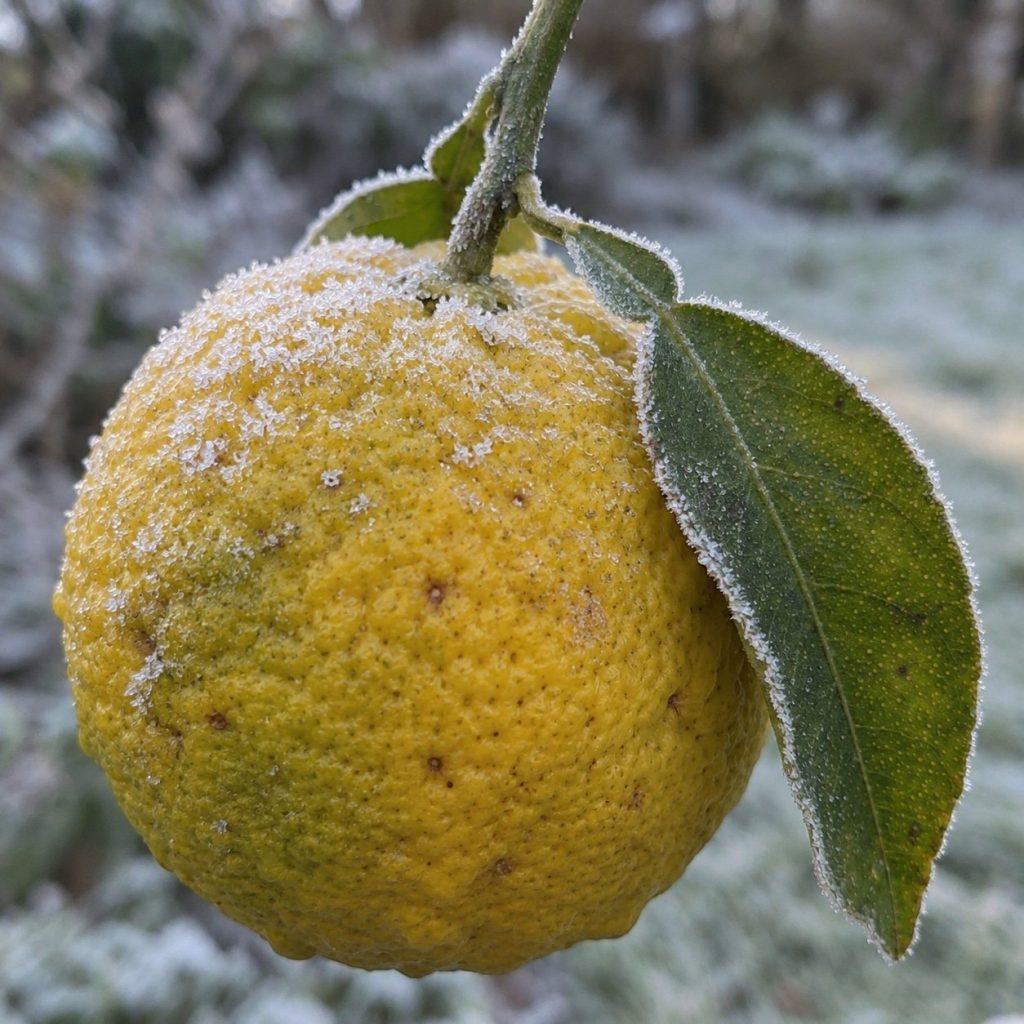
Frost crystals covering a yellow citrus fruit and leaves

Yuzu N3

Yuzu N3 (Citrus junos ‘N3’) is a vigorous seasoning citrus, sought after for its floral zest and very fragrant juice. To prepare for growing it, cautiously adopt a benchmark close to 5°F (−15°C) on a mature, well-established tree subjected to a brief frost, rather than a guarantee of survival at a precise temperature. The tree generally reaches 10 to 13 ft (3 to 4 m). Its very sour fruit, rich in seeds and relatively low in juice, are harvested from October to December and are used mainly for the zest, the juice, and preserves. Discover the classic yuzu and its characteristics. Yuzu growing guide.

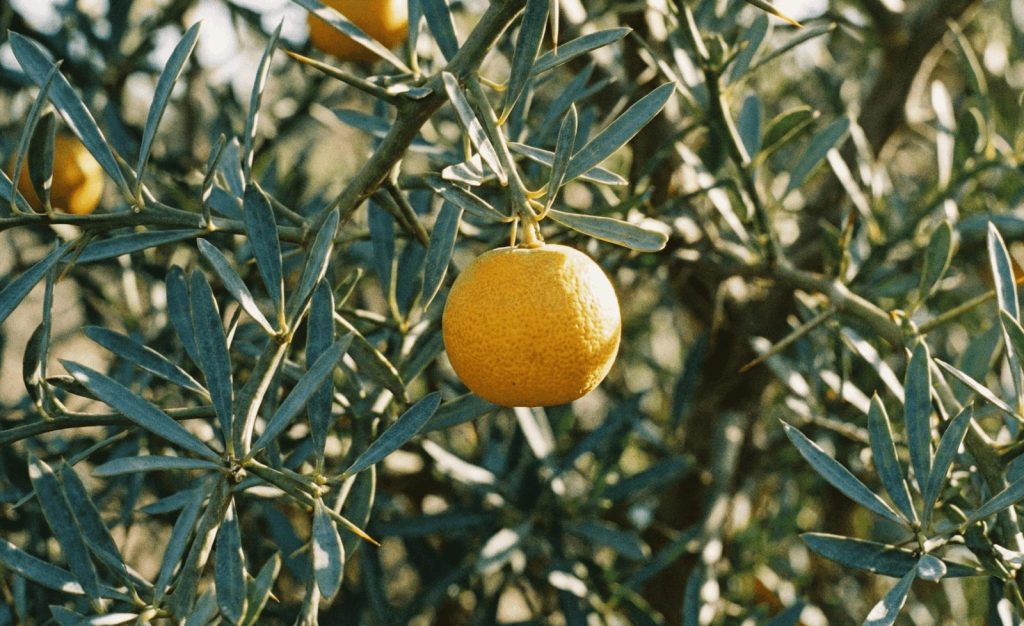
Yellow citrus fruit among narrow grey-green leaves

Eremorange

Eremorange (Citrus glauca × Citrus sinensis) is a remarkable hybrid between the Australian desert lime (Eremocitrus glauca) and the sweet orange, created in Australia to combine cold hardiness and drought tolerance. Its exceptional hardiness reaches 5°F (−15°C) on the tree, classed in USDA zone 8a by Biggio and Londeix as well as G. Roques; Mon Jardin Extraordinaire offers its selection grafted onto FA5 in zone 7, which remains to be verified for the clone grown. The tree reaches 7 to 13 ft (2 to 4 m) with a spreading habit, almost exotic silvery foliage evoking an olive tree, and fragrant white flowers. Its small, light orange fruit, with thin skin, ripen in fall and winter with juicy flesh and an original, slightly tart taste, blending orange and the lemony notes of the desert parent. Excellent in blended juice or in cooking for its unique notes. Very ornamental, particularly well suited to Mediterranean-continental gardens. Graft onto Poncirus trifoliata, perfectly drained soil, tolerates summer drought exceptionally well.

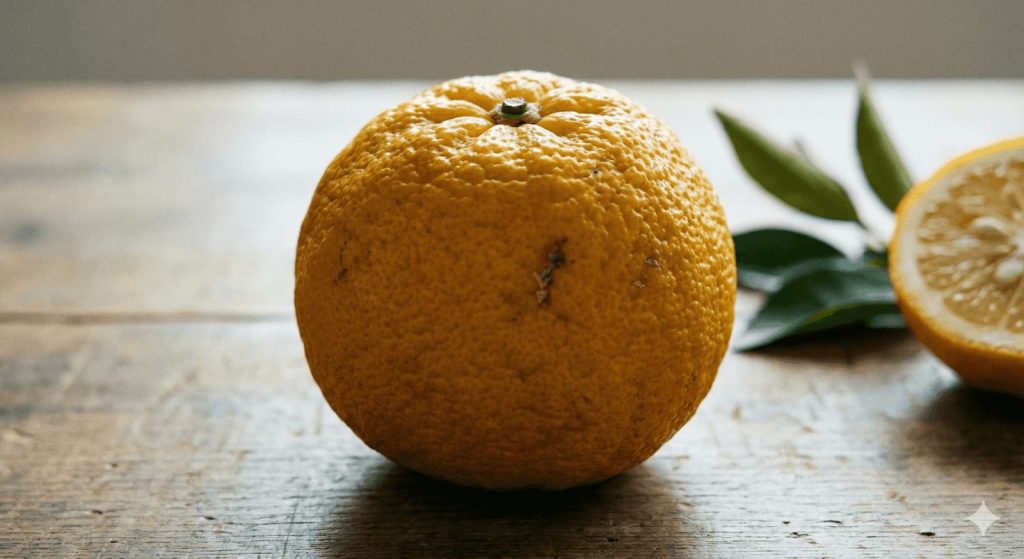
A rough-skinned orange citrus fruit and a cut half on a table

Yuko Lemon

Yuko lemon (Citrus yuko) is a rare Japanese citrus, sometimes called yellow yuzu, native to Japan where it has been grown for several centuries in coastal regions. Its hardiness reaches 14°F (−10°C) on the tree, with a USDA 8b climate benchmark used in this entry, indicative and to be confirmed for the material grown. The tree reaches 7 to 13 ft (2 to 4 m) with an upright habit, aromatic evergreen foliage, and fragrant white flowers. Its golden-yellow fruit, round to slightly flattened, with bumpy, thick skin, ripen in fall and concentrate a very fragrant sour juice evoking yuzu and lemon, with unique floral and resinous notes. Widely used in traditional Japanese cooking, in juice, zest, ponzu vinegar, and in niche pastry. A few seeds. Graft onto Poncirus trifoliata for hardiness, plant against a south wall. A rare collector’s citrus, little distributed in French garden centers.

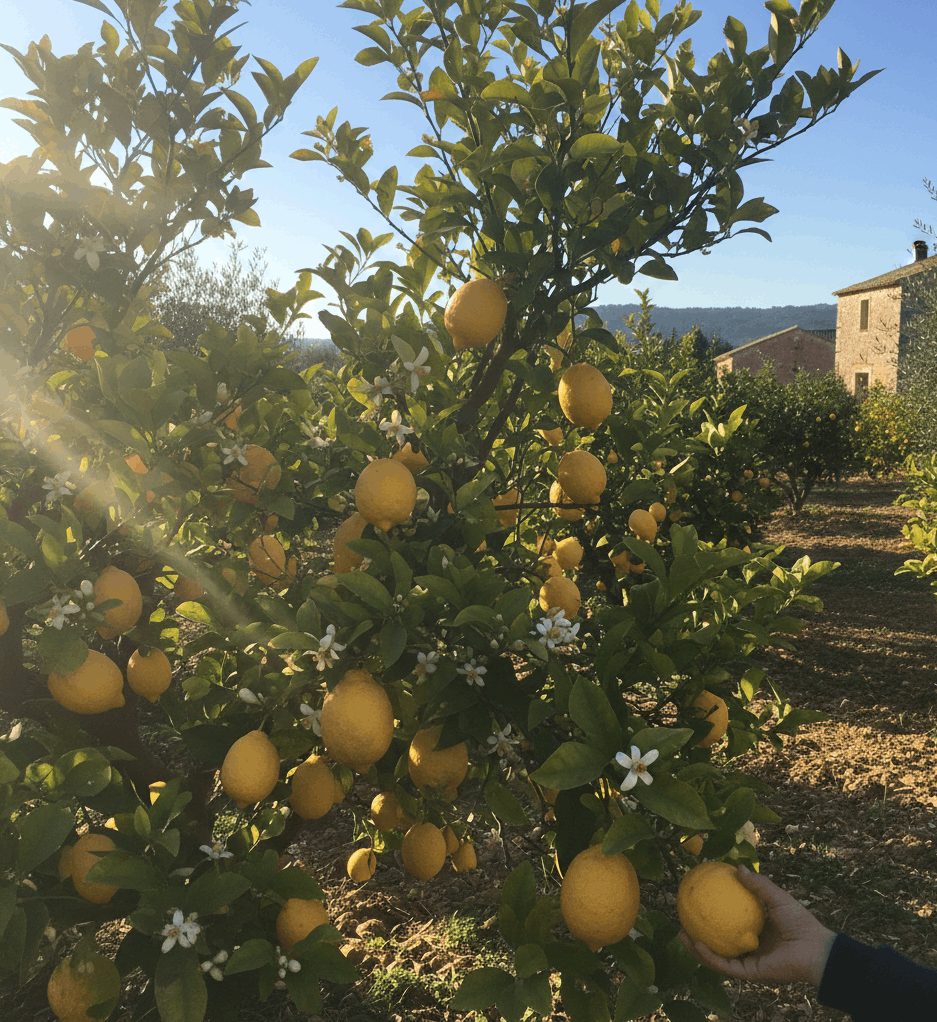
A sunlit citrus tree bearing yellow fruit

Meyer Lemon

Meyer lemon (Citrus × meyeri) is a natural hybrid between the lemon and the mandarin or orange, native to China and introduced to the United States in 1908 by the botanist Frank Meyer. Its hardiness reaches 19°F (−7°C) on the tree, higher than that of the standard lemon, 25°F (−4°C), making it suitable for in-ground growing in USDA zones 8b and 9a. The compact tree reaches 7 to 10 ft (2 to 3 m) with a rounded habit, glossy evergreen foliage, and very fragrant white-mauve flowers, almost continuous. Its round yellow-orange fruit, with thin, smooth skin, ripen mostly in winter, with intermittent harvests all year depending on conditions, and have a juice that is less acidic than the standard lemon, fragrant and slightly sweet, ideal in pastry, lemonades, sauces, and Asian cooking. Fruit hardiness, 27°F (−3°C), remains limited: harvest before the first severe frost. Graft onto Poncirus trifoliata for in-ground growing, or grow in a container for colder zones.

Scroll to Top