Sweet cooking

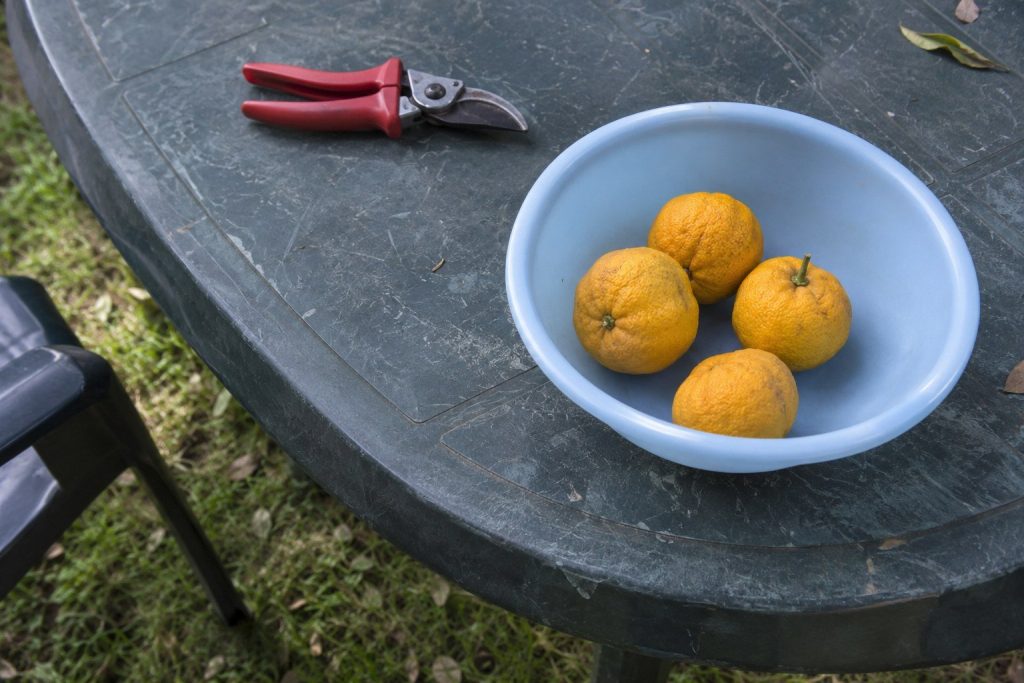
Small rough orange citrus fruit in a bowl beside pruning shears

Gold Yuzu

Gold Yuzu (Citrus junos ‘Gold’) is a modern selection of yuzu chosen for its smaller fruits, orange-tinged at full maturity, and its particularly intense golden yellow coloring at maturity. Its hardiness reaches 10°F (−12°C) on the tree, making it suitable for in-ground growing in USDA zone 8a. The tree reaches 10 to 13 ft (3 to 4 m) with a rounded, spreading habit, aromatic evergreen foliage, and very fragrant white flowers. Its deep golden yellow fruits, smaller in size (about 3.2 oz, or 90 g, according to Vessières), with bumpy, thick skin rich in essential oils, ripen in October to November and hold authentic yuzu juice with aromas blending mandarin, grapefruit, and orange blossom. Very tart and fragrant. Excellent as zest, juice, ponzu vinegar, and in niche pastry. Must be grafted onto Poncirus trifoliata to maximize hardiness; plant against a south-southwest-facing wall.
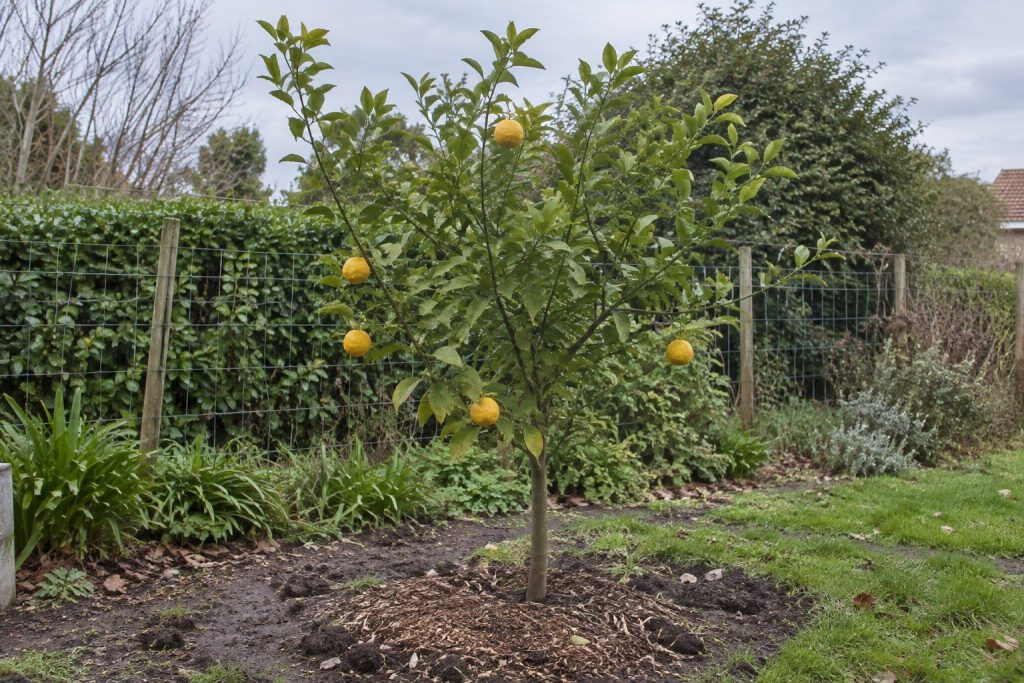
A small citrus tree bearing yellow fruit beside a hedge

Dragon Yuzu (Tortuosa)

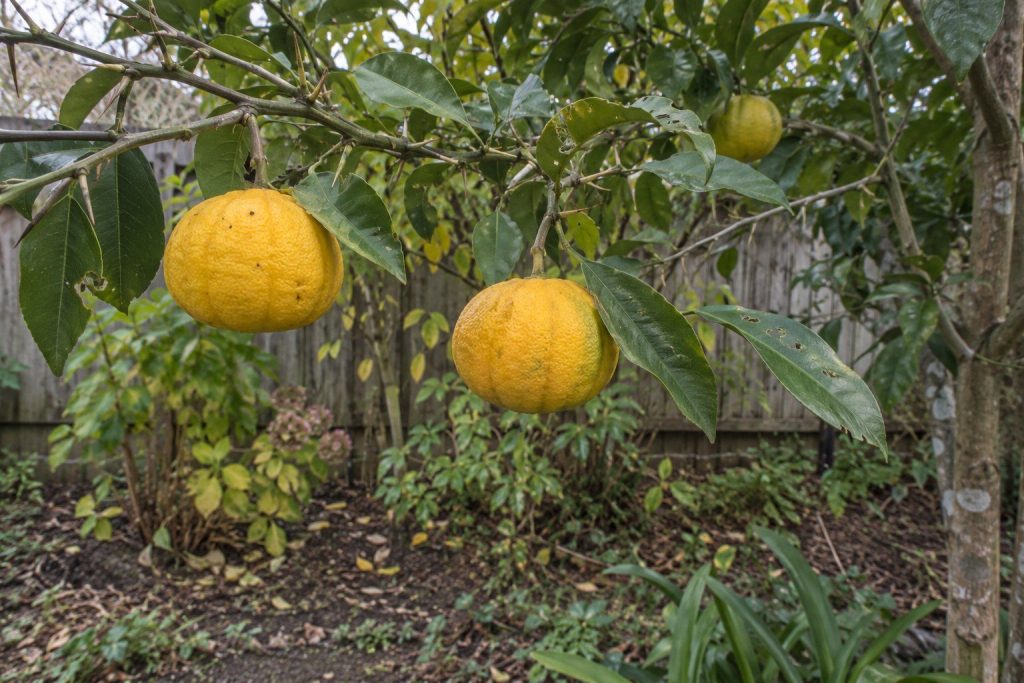
Dragon Yuzu (Citrus junos ‘Tortuosa’), also called Tortuosa Yuzu, is a Japanese variant of yuzu notable for its twisted, dragon-like branches, a highly ornamental genetic trait. Its hardiness reaches 10°F (−12°C) on the tree, making it suitable for in-ground growing in USDA zone 8a. The tree reaches 7 to 10 ft (2 to 3 m) with a compact, rounded habit and characteristic spiral branches, aromatic evergreen foliage, and very fragrant white flowers. Its golden yellow, round and bumpy, medium-sized fruits, with thick skin, ripen in October to November and hold authentic yuzu juice with a taste quality comparable to classic yuzu, very tart and fragrant. Ideal in pastry, sauces, and ponzu vinegar. Particularly decorative in winter after the partial leaf drop, showing off its spectacular twisted branches. Graft onto Poncirus trifoliata.

Rough yellow citrus fruit hanging on garden branches

Sweet Yuzu N30

Sweet Yuzu N30 (Citrus junos ‘Yuko’ N30) is a Franco-Japanese selection of sweet yuzu, a less acidic and sweeter variant than classic yuzu, suited to fresh eating. Its hardiness reaches 10°F (−12°C) on the tree, making it suitable for in-ground growing in USDA zone 8a. The tree reaches 10 to 13 ft (3 to 4 m) with a rounded, spreading habit, aromatic evergreen foliage, and very fragrant white flowers. Its golden yellow, medium-to-large fruits, with thick, bumpy skin, ripen in October to November and offer a juice less acidic than standard yuzu, rounder on the palate, with the typical complex aromas blending mandarin, grapefruit, and orange blossom. Excellent fresh for enthusiasts, as juice, as sorbet, and in pastry where the aromatic signature of yuzu is wanted without its sharp acidity. Graft onto Poncirus trifoliata.

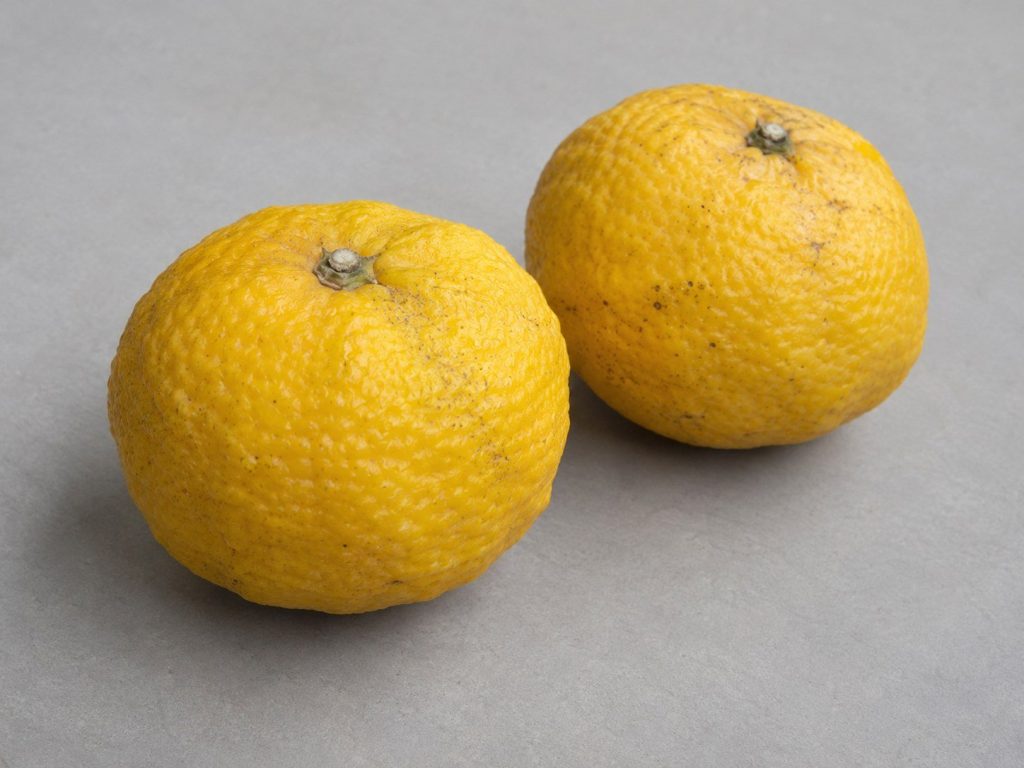
Two rough yellow citrus fruit on a plain surface

Yuzu Citron

Yuzu Citron (Citrus junos ‘Citron’) is a particular selection of Japanese yuzu, a hardy citrus among the most cold-resistant. Originally from China and acclimated in Japan for over a thousand years, it withstands temperatures down to 10°F (−12°C) on the tree, which makes it suitable for in-ground growing in USDA zones 8a and 8b. The vigorous tree reaches 10 to 13 ft (3 to 4 m) at maturity, with a slightly spreading habit and evergreen foliage. Its golden yellow, bumpy, thick-skinned fruits ripen in October to November and offer a very tart juice with unique aromas blending mandarin, grapefruit, and orange blossom. Sought after by French pastry chefs since Pierre Hermé, it is used as zest, juice, confit, or marinade. Must be grafted onto Poncirus trifoliata to maximize hardiness. Prefers a south-facing wall, well-drained soil, and generous winter mulching.

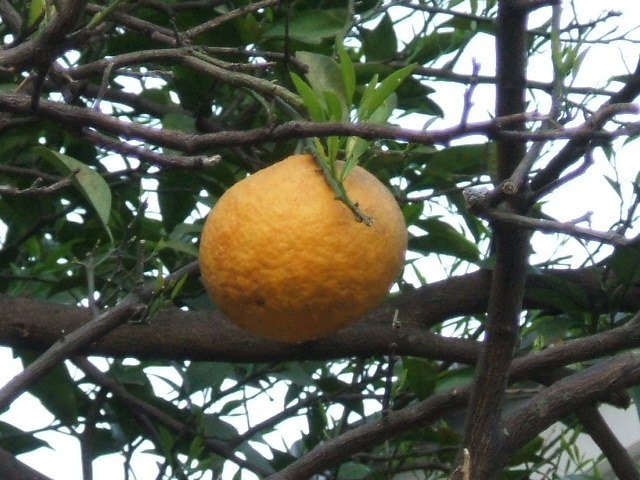
An orange citrus fruit hanging among bare and leafy branches

Natsudaidai

Origin: Natsudaidai, or ‘Natsumikan’ (summer mikan), is a historic Japanese citrus, discovered in the 17th century in Yamaguchi Prefecture. For […]

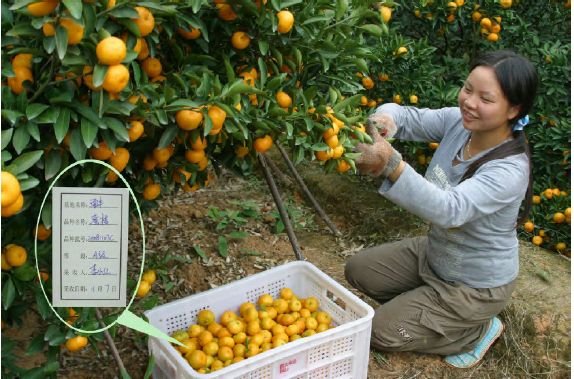
A person harvesting orange citrus fruit beside a labeled tree

Nooka Kishu Mandarin

Origin: The Kishu is a very old variety, cultivated for centuries in China and Japan. The ‘Nooka’ selection (often associated […]

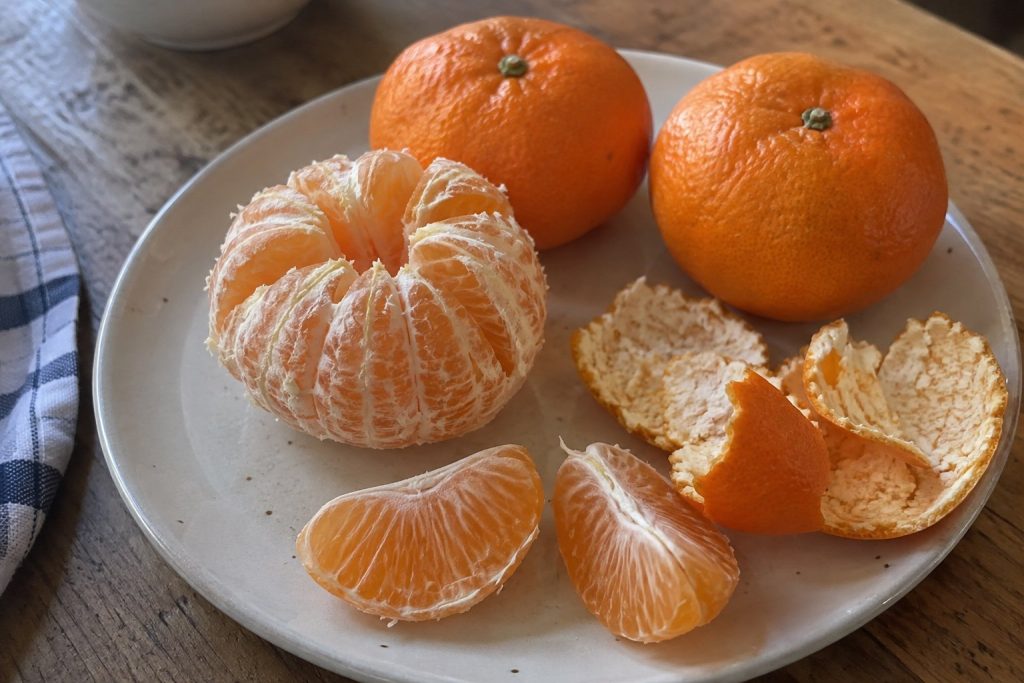
Whole and peeled orange citrus fruit on a plate

Harumi Mandarin 1

Harumi mandarin (Citrus reticulata ‘Harumi’) is a late Japanese selection from a cross between the Kiyomi and Ponkan mandarins, regarded as one of the world’s premium mandarins for its exceptional flavor quality. Its tree hardiness reaches 10°F (−12°C), making it suitable for in-ground growing in USDA zone 8a. The vigorous tree reaches 10 to 13 ft (3 to 4 m) with an upright habit, evergreen foliage, and fragrant white flowers. Its bright orange fruit, medium to large at 6.5 to 9 oz (180 to 250 g), with thin skin that is moderately easy to peel, ripens late (February to April), with very juicy, exceptionally sweet flesh, low in acidity, seedless or nearly so, and a complex, refined fragrance. Excellent fresh, as dessert, and in a late-winter fruit bowl. Graft onto Poncirus trifoliata, plant against a south-facing wall.

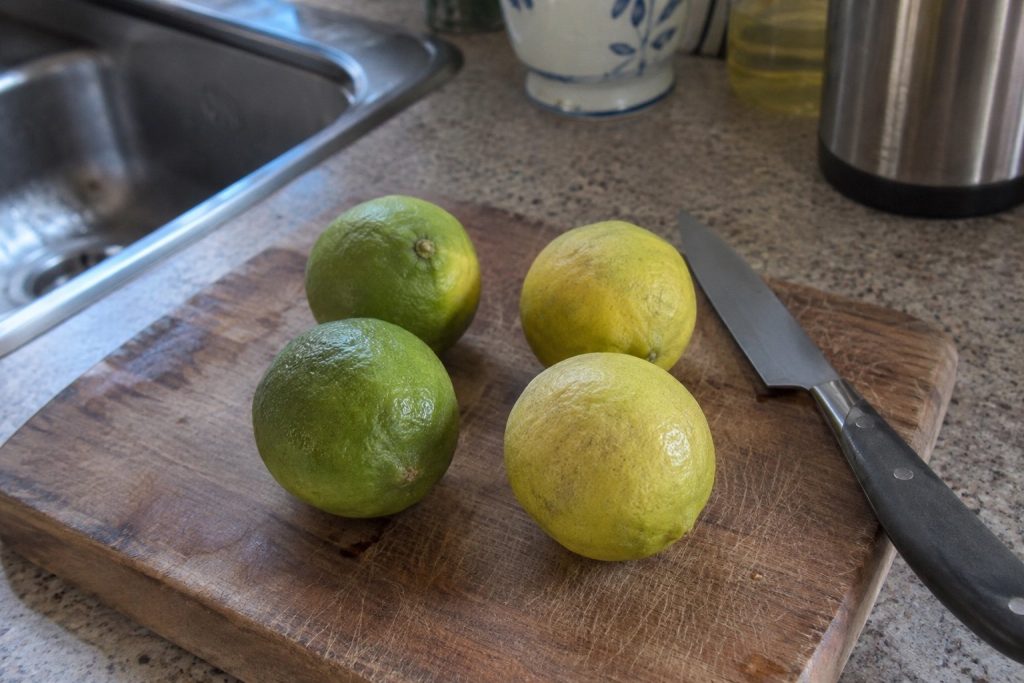
Four green and yellow citrus fruit on a kitchen board

Dragon Lime

Dragon Lime (Poncirus trifoliata hybrid) is a modern hybrid between Poncirus trifoliata and an edible citrus, selected to combine the maximum hardiness of Poncirus with improved flavor. Its tree hardiness reaches 7°F (−14°C), among the hardiest citrus in the world, with a USDA zone 8a climate reference retained in this entry, indicative and to be confirmed for this selection. The tree reaches 6 to 10 ft (2 to 3 m) with an upright, heavily thorny habit inherited from the Poncirus parent, deciduous trifoliate foliage, and abundant white spring flowers. Its small yellow-orange fruit, with thin skin, ripens in fall and offers a sour, fragrant juice, with a moderate residual bitterness more tolerable than that of pure Poncirus. Used in blended juice, in marinades, or in marmalade. Very ornamental, especially decorative at spring bloom. Graft onto pure Poncirus trifoliata to stabilize vigor.

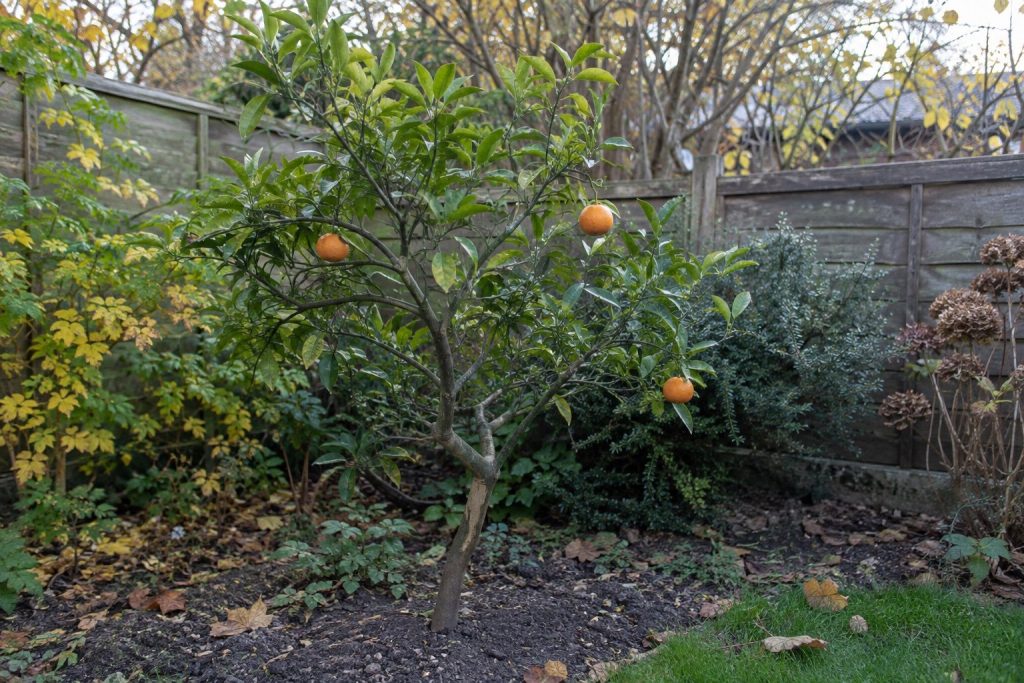
A small citrus tree bearing orange fruit beside garden beds

Prague Citsuma

Prague citsuma (Citrus unshiu + Poncirus) is an emblematic example of a Satsuma × Poncirus hybrid developed in Central Europe in the 20th century at the Prague institute. Its tree hardiness reaches 5°F (−15°C); Biggio and Londeix classify it in USDA zone 8a, and Anjou Citrus also considers growing it in zones 7 and 6, often with winter protection. The vigorous tree reaches 10 to 13 ft (3 to 4 m) with an upright, semi-thorny habit and foliage with double leaflets, sometimes twisted (a Poncirus inheritance), which makes it a remarkable landscape specimen, along with fragrant white spring flowers. Its small orange fruit, 2 to 3.5 oz (60 to 100 g), has skin that is easy to peel and ripens from December to February according to the Vessières catalog; the flesh is sweet and fragrant when cooked, less interesting raw because of residual bitter notes from the Poncirus. Excellent as compote, candied, or in marmalade. Graft onto Poncirus trifoliata, plant against a south-facing wall, in well-drained soil.

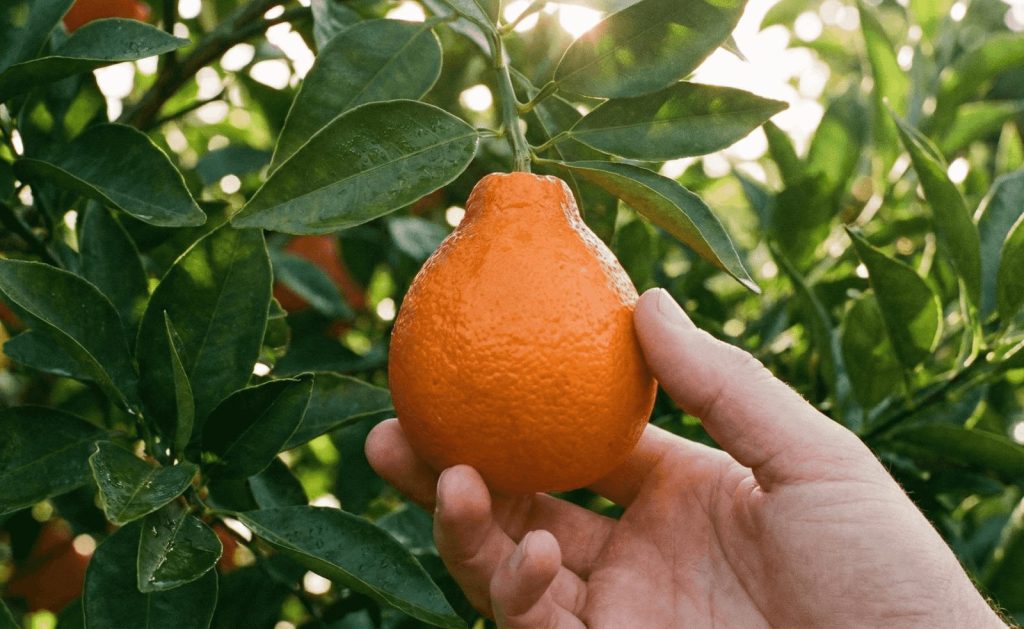
A hand holding a pointed orange citrus fruit beside foliage

Dekopon (Shiranui)

Dekopon Shiranui (Citrus × shiranui), also called Sumo Citrus, is a Japanese hybrid between a Kiyomi mandarin and a Ponkan mandarin, created in 1972 and popularized since for its large, sweet fruit. Its hardiness reaches 12°F (−11°C) on the tree, making it suitable for in-ground growing in USDA zones 8a and 8b. The vigorous tree reaches 10 to 13 ft (3 to 4 m) with an upright habit, evergreen foliage, and fragrant white flowers. Its very large, bright orange fruit, generally 7.1 to 10.6 oz (200 to 300 g), sometimes up to 14.1 oz (400 g), recognizable by their characteristic bump at the top (the ‘deko’), with thick, easy-to-peel skin, ripen from November to early spring depending on the climate and management, with typical maturity in February-March in Japan, and offer juicy, exceptionally sweet, low-acid, seedless flesh. A premium variety considered one of the best mandarins in the world. Graft onto Poncirus trifoliata, plant against a south wall, generous mulch in winter.

Scroll to Top