Variety profile

Dragon Lime

(Poncirus trifoliata hybrid)

Documented by Léo — grown in the ground, USDA zone 8b

Dragon Lime (Poncirus trifoliata hybrid) is a modern hybrid between Poncirus trifoliata and an edible citrus, selected to combine the maximum hardiness of Poncirus with improved flavor. Its tree hardiness reaches 7°F (−14°C), among the hardiest citrus in the world, with a USDA zone 8a climate reference retained in this entry, indicative and to be confirmed for this selection. The tree reaches 6 to 10 ft (2 to 3 m) with an upright, heavily thorny habit inherited from the Poncirus parent, deciduous trifoliate foliage, and abundant white spring flowers. Its small yellow-orange fruit, with thin skin, ripens in fall and offers a sour, fragrant juice, with a moderate residual bitterness more tolerable than that of pure Poncirus. Used in blended juice, in marinades, or in marmalade. Very ornamental, especially decorative at spring bloom. Graft onto pure Poncirus trifoliata to stabilize vigor.

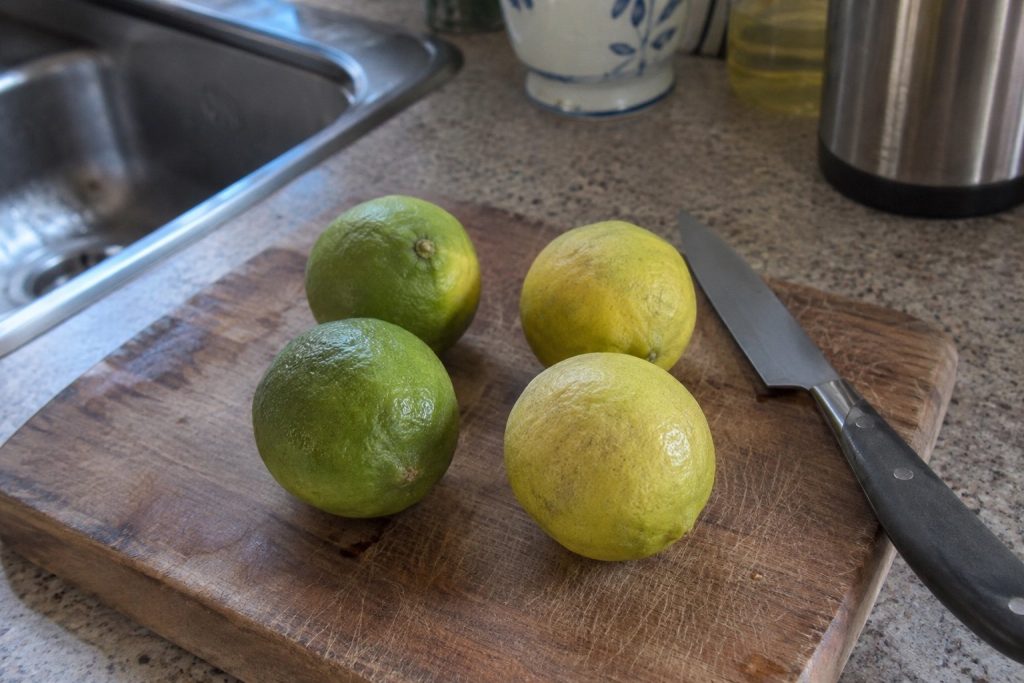
Four green and yellow citrus fruit on a kitchen board
AI-generated illustration. It does not authenticate cultivar identity or cold tolerance.
Cold hardiness 7°F (−14°C)

Identity

OriginUnknown
Genetic originHybrid
USDA zone
Cold hardiness7°F (−14°C)
Fruit cold hardiness23°F (−5°C)
GrowthSlow
Height7 ft (2 m)
HarvestOctober, November
SeedsModerate
FlavorsSour, Sharp acidity, Highly aromatic

History & Description

Origin

Dragon Lime is a complex hybrid, probably arising from a cross involving Poncirus trifoliata var. monstrosa (Flying Dragon), from which it takes its name and its look.

Tree description

Very ornamental, the tree has a twisted growth habit with large curved thorns, typical of the “Flying Dragon.” It is extremely hardy, to 7°F (−14°C).

Fruit quality

It produces rounded, medium-sized fruit that look like limes and turn orange-yellow at full maturity.

Flavor and ornamental interest

In flavor, it is a hardy substitute for lime. The juice is sour and aromatic, ideal for perking up dishes or for marmalade. Its gnarled, twisted architecture makes it a centerpiece in the garden in winter.
Back to the collection

Updated:

"Growing rare citrus means accepting that nature has the last word, while whispering in its ear how to survive the winter."

Scroll to Top