Container or in-ground growing: start with vigor
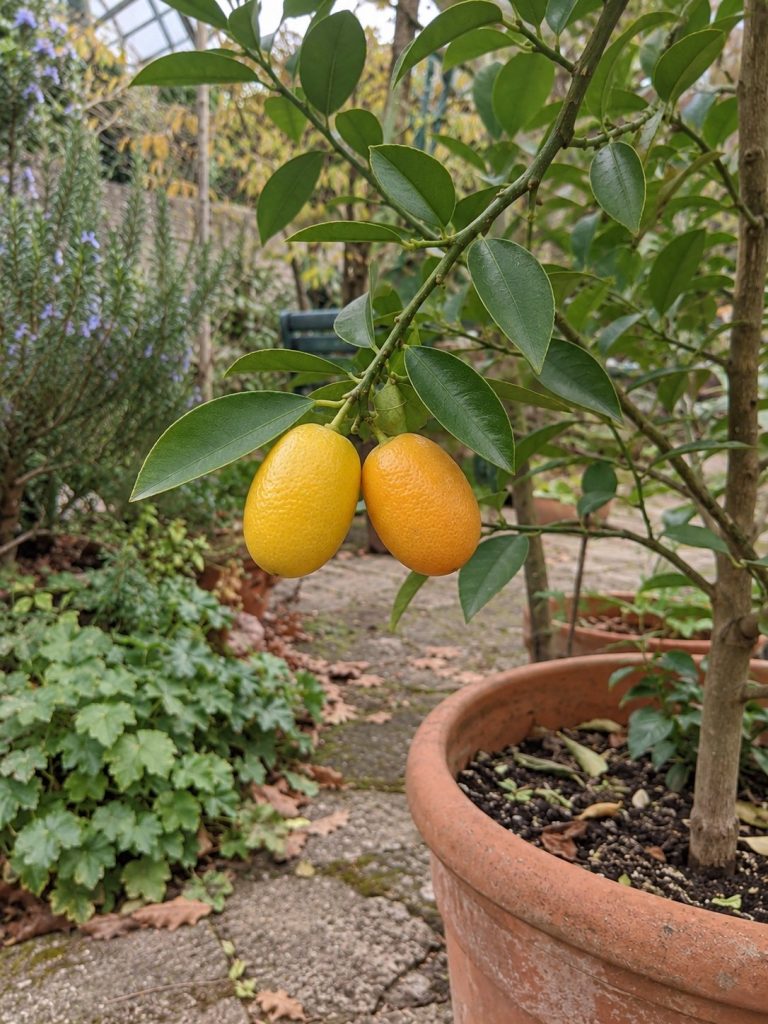
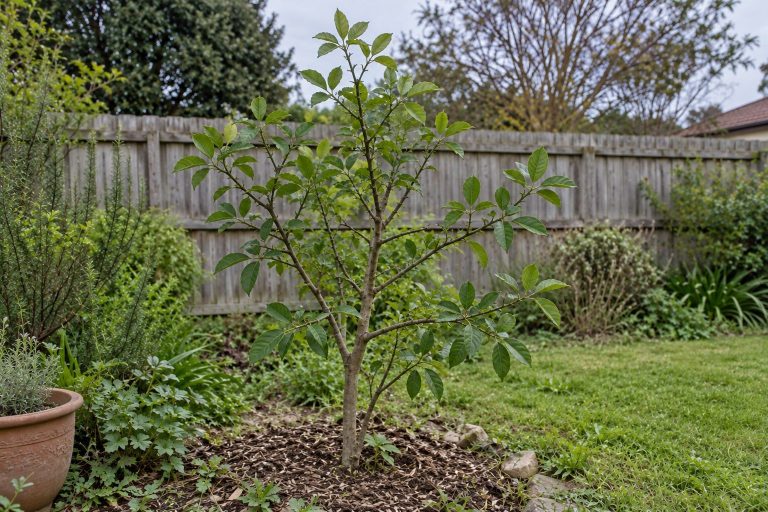
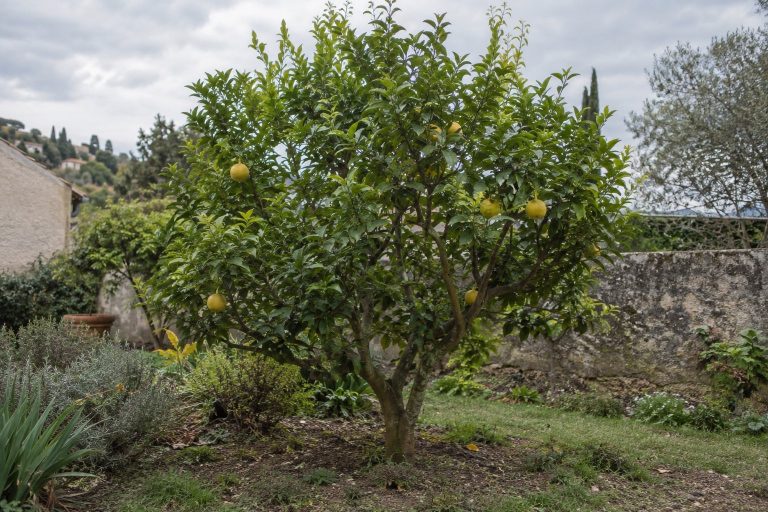
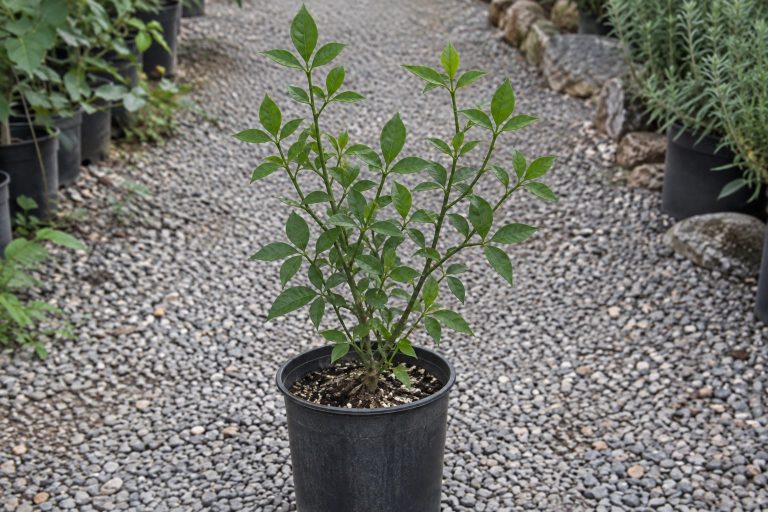
For these hybrids, the size of a plant offered for sale can be misleading: it does not describe future development. UCR describes Rusk as vigorous and tall, and Thomasville as very vigorous. Container growing therefore calls for checking expected vigor and the possibility of maintaining enough root volume.
In the ground, check the variety-rootstock combination’s soil adaptation. In containers, plan regular water monitoring and the ability to move the plant. Compare available space and accessible shelter with the needs described in the specific record.
References: UCR — Rusk citrange, CRC 301 · UCR — Thomasville citrangequat, CRC 1440 · Royal Horticultural Society — Trees in containers · UF/IFAS — Rootstock and Scion Selection
Caring for the chosen hybrid and checking its pollination
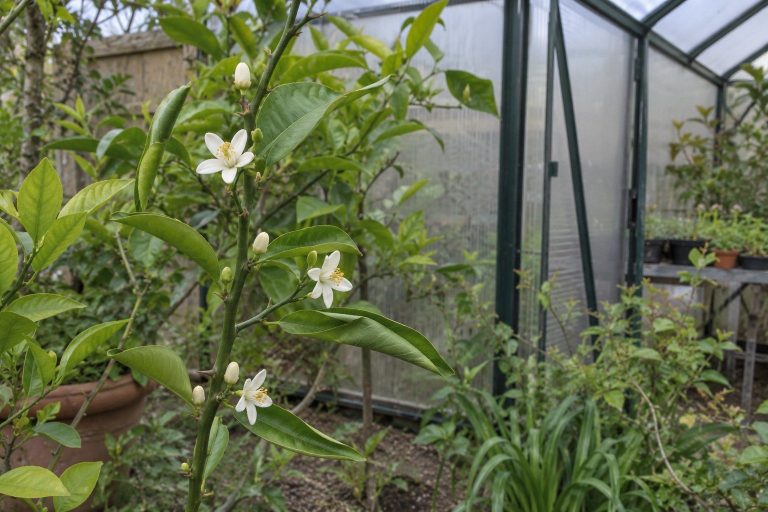
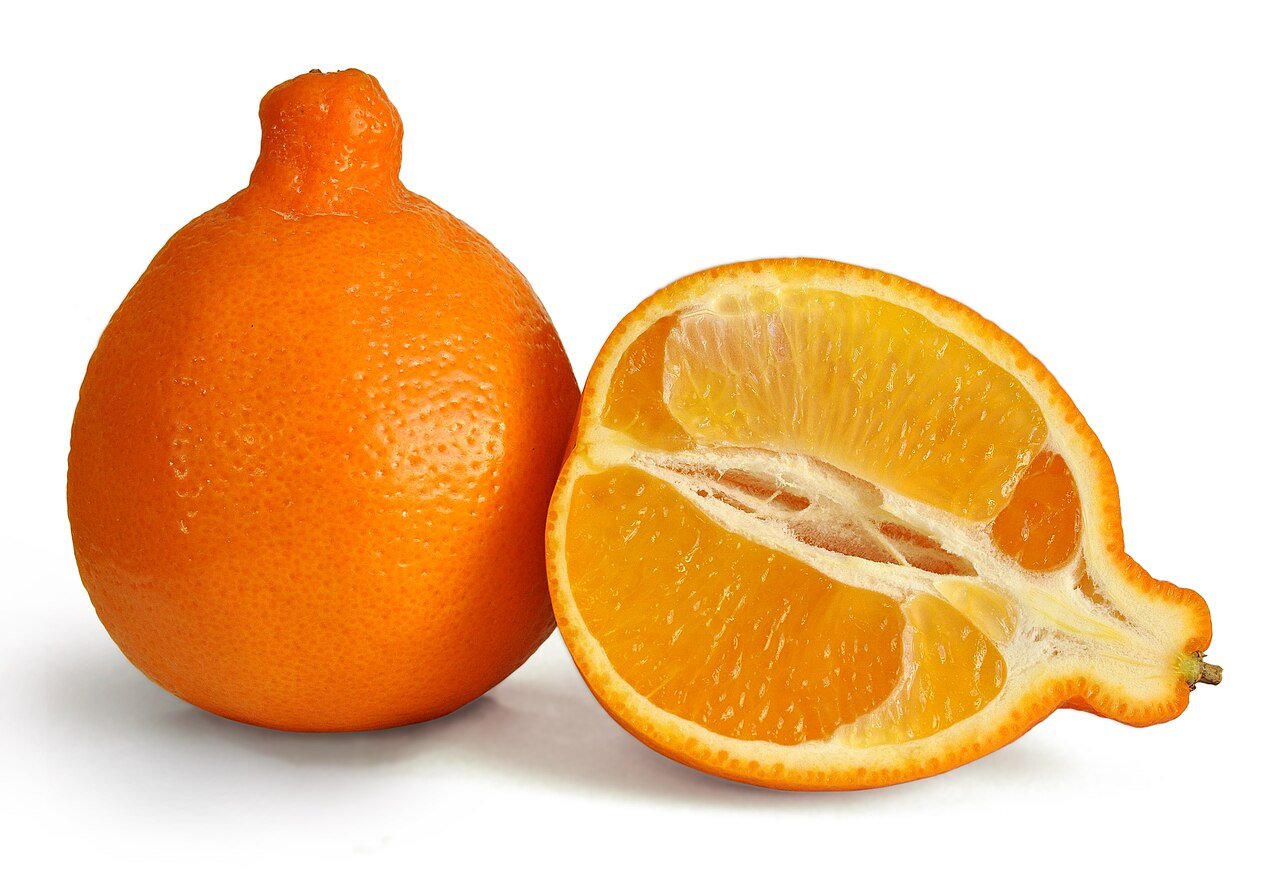
Pollination is not identical for all these citrus. Minneola provides a useful example: UCR recommends compatible pollen for good fruit set and notes that cross-pollination can increase seeds. Having another citrus nearby therefore does not solve every harvest problem.
On a grafted tree, locate the graft and remove rootstock suckers. In containers, avoid disproportionately large repotting and excess winter water. If foliage yellows, first check growing conditions: this symptom alone does not demonstrate a fertilizer shortage.
References: UCR — Minneola tangelo, CRC 3340 · UF/IFAS — Grove Planning and Establishment · Royal Horticultural Society — Citrus problems
Is a Poncirus hybrid necessarily very cold hardy?
Parentage does not replace observation of the plant. The hybrids in this collection have different genetic combinations, and rootstock adds another variable. Consult individual indicators with their context rather than assigning a parent’s tolerance to all descendants.
Freezing affects fruit and wood differently; duration matters too. Protect container roots. To track a planting, record age, graft, location, cold duration and damage: an isolated survival does not describe regular harvests.
References: UCR — US 119, CRC 3998 · UF/IFAS — Rootstock and Scion Selection · UF/IFAS — Microsprinkler Irrigation for Cold Protection · UF/IFAS — Winter Plant Protection
Fresh eating, processing or simply observing?
Uses are decided variety by variety. UCR describes Rusk as having acidic juice with slight bitterness, usable in preparations. Thomasville calls for more nuance: a historical description says it is edible when fully ripe, while a collection observation considers its flavor still too acidic and strong.
Taste before planting if possible. Record ripeness, acidity and bitterness separately; a small processing trial helps identify a suitable use.
References: UCR — Rusk citrange, CRC 301 · UCR — Thomasville citrangequat, CRC 1440
Tangelo, citrange, citrangequat: distinguishing the names
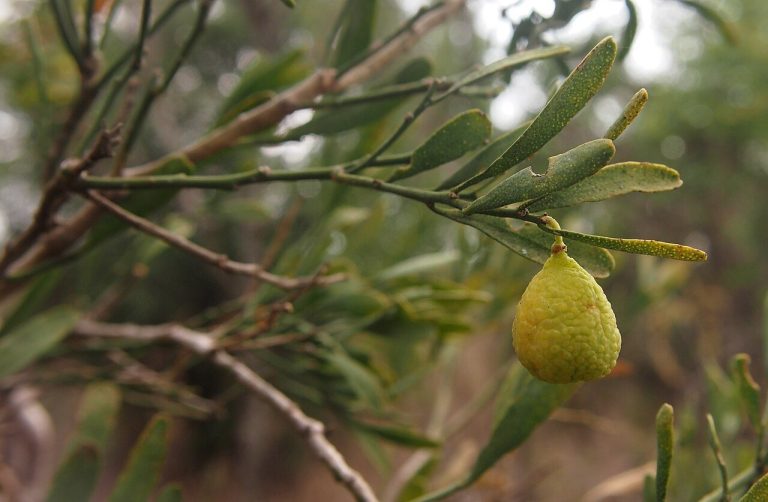
The names indicate different parentages. Minneola combines Duncan grapefruit and Dancy mandarin; Rusk combines Ruby orange and Poncirus. Thomasville comes from a Willits citrange crossed with a kumquat. These examples show why the “other” category should be read as a collection of profiles.
According to UCR, US 119 combines an initial Duncan × Poncirus cross with Succory orange. Grafting citrus onto Poncirus does not create such a hybrid: scion and rootstock remain distinct. Keep both names.
References: UCR — Rusk citrange, CRC 301 · UCR — Minneola tangelo, CRC 3340 · UCR — Thomasville citrangequat, CRC 1440 · UCR — US 119, CRC 3998 · UF/IFAS — Citrus Propagation
Frequently asked questions about other hardy citrus
Can all fruit in this collection be eaten like an orange?
No. Some are suitable for fresh eating, others mainly provide acidic juice or interest collectors. Culinary use is determined by the specific plant material, its ripeness and your preferences.
What should I choose to start with fresh-eating fruit?
Among this collection’s records, Minneola is an option for juicy, fragrant fruit. Still, check its vigor, pollination needs and ripening possibilities in your garden before choosing it.
Does Thomasville always become sweet when ripe?
UCR preserves two different assessments of its fruit, even when ripe. Local tasting remains preferable before choosing it for sweetness.
Is citrus grafted onto Poncirus a Poncirus hybrid?
No. Grafting joins two plant parts. A hybrid results from reproduction between different parents. The rootstock influences scion development, but its name does not replace the fruiting variety’s identity.
Does Minneola need a second tree?
For good fruit set, UCR advises compatible cross-pollination. Satsumas and Orlando are not the recommended partners in that reference. Check flowering and compatibility before adding a tree; seeds may then become more numerous.
Which is the most cold tolerant in this collection?
The table’s figures point you toward the records; they do not come from a shared trial. Also compare eating quality, ripening and space requirements: the stated minimum does not summarize the project.
Sources and method
A documentary synthesis from the encyclopedia, published by Léo, an amateur gardener on the Arcachon Basin, in USDA zone 8b. Parentages and flavor descriptions are linked to the studied plant material, with disagreements retained. Seasons observed at Riverside are not transferred to France. The cited sources are documentary; this page does not report a personal freezing trial.
- UCR — Rusk citrange, CRC 301
Ruby orange × Poncirus cross, vigor, acidic juice and bitterness; historical descriptions and collection observations.
- UCR — Minneola tangelo, CRC 3340
Duncan × Dancy parentage, juicy fruit, vigor and need for compatible cross-pollination for good fruit set.
- UCR — Thomasville citrangequat, CRC 1440
Parentage, vigor and divergent flavor assessments; ripening observed at Riverside without an extrapolated French calendar.
- UCR — US 119, CRC 3998
Parentage combining Duncan grapefruit, Poncirus and Succory orange; no eating quality or temperature added.
- Royal Horticultural Society — Trees in containers
Containers and roots; British context.
- UF/IFAS — Rootstock and Scion Selection
Rootstock, soil and vigor; Florida context.
- UF/IFAS — Grove Planning and Establishment
Planning according to vigor, drainage, young tree care and sucker removal; Florida orchard context.
- Royal Horticultural Society — Citrus problems
Excess water, repotting, leaf drop and container overwintering conditions.
- UF/IFAS — Microsprinkler Irrigation for Cold Protection
Distinction between fruit and wood damage, role of freeze duration and acclimation; orange thresholds are not transferred to hybrids.
- UF/IFAS — Winter Plant Protection
Acclimation, vulnerability of fruit and roots, young shoots and container protection.
- UF/IFAS — Citrus Propagation
Scion, rootstock and citrus propagation.