8b

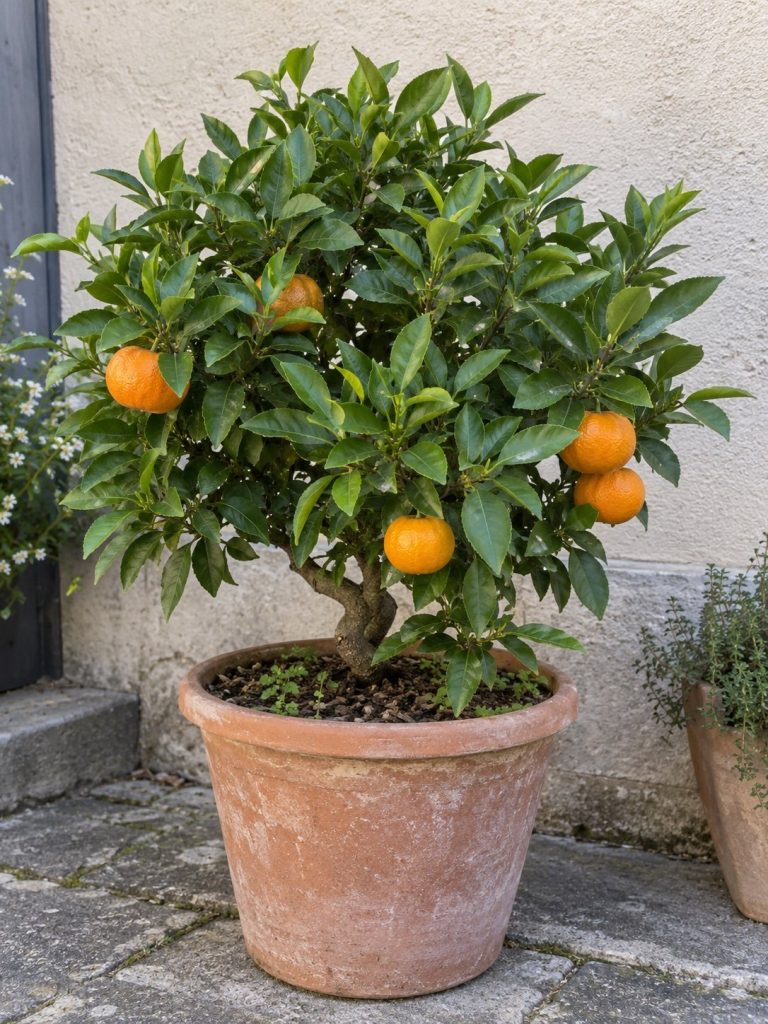
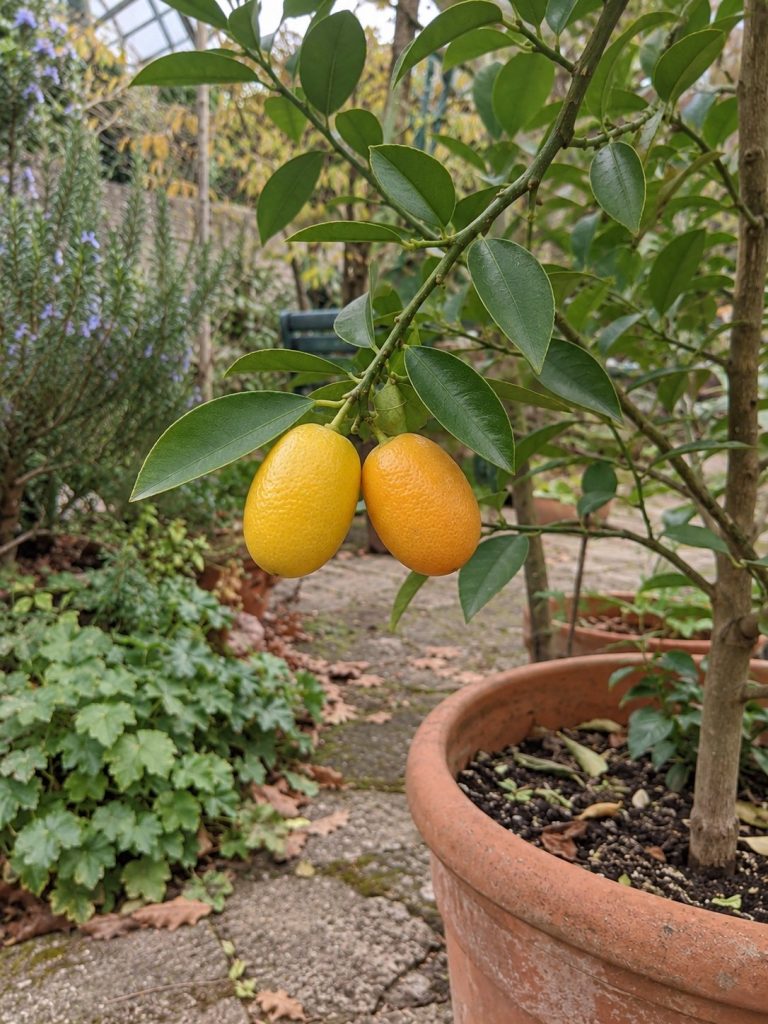
Illustration of Tavares limequat with fruit and foliage in a garden or harvest setting.

Tavares Limequat

Tavares limequat (Citrus × floridana ‘Tavares’) is a fruiting hybrid of West Indian lime and oval kumquat. W. T. Swingle obtained it in Florida in 1909; the name was published in 1913. The French growers Vessières and Agrumes de Provence report 16°F (−9°C) for the tree; this commercial indication does not guarantee survival under a prolonged freeze. Vessières gives an evergreen tree of 7 ft (2 m) with moderate growth. The small oval fruits turn yellow to yellow-orange and provide a fragrant, sour juice, with few seeds according to this grower. Their peel can also be used in cooking. Ripening can be spread over the year, depending on the climate. Juice, sauces, and candied fruit are its main uses. USDA zone 8b is an equivalence calculated from 16°F (−9°C), not an official classification of the clone. In France, grow in sun, in well-drained soil and sheltered from wind, with protection for young trees.
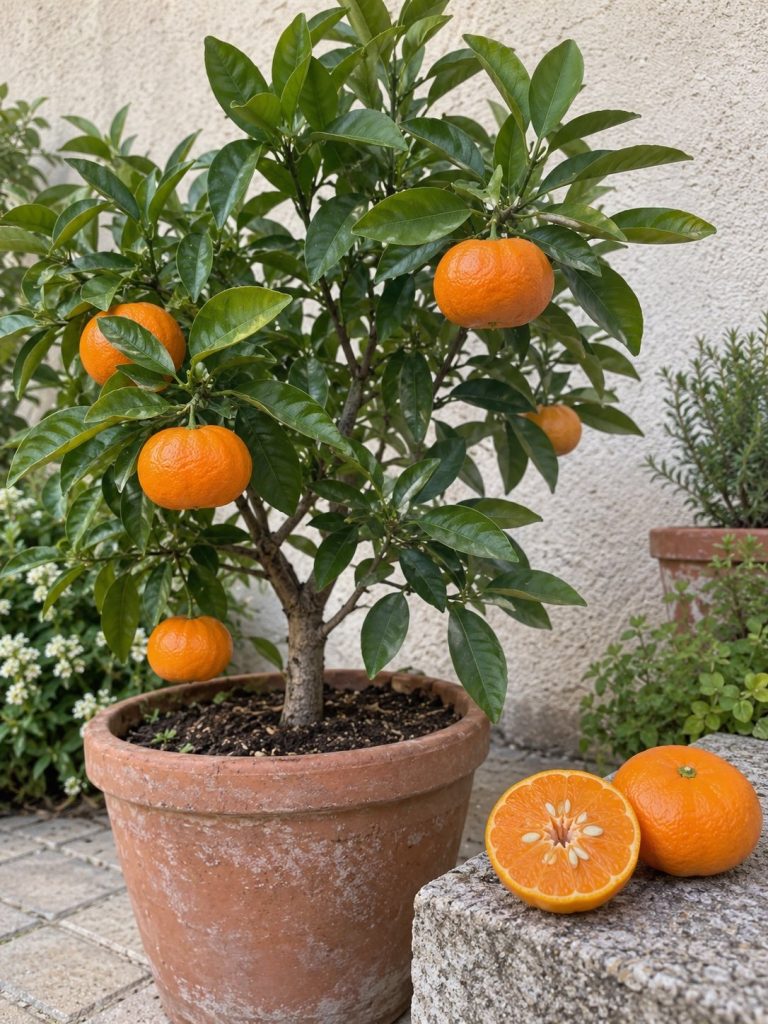
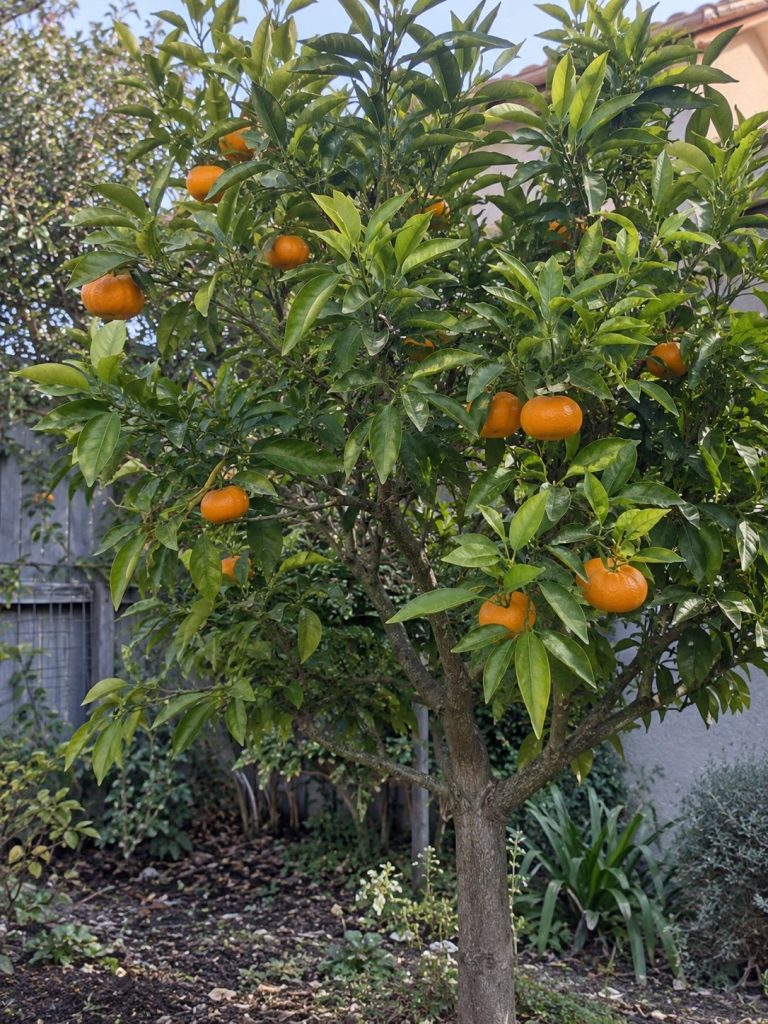
Illustration of Sunburst mandarin with fruit and foliage in a garden or harvest setting.

Sunburst Mandarin

Sunburst mandarin (Citrus reticulata ‘Sunburst’) is a Florida mandarin from Robinson × Osceola, released in 1979. Its flattened, dark orange, juicy, fragrant fruits offer a sweet-tart flavor, useful fresh and as juice. UF/IFAS generally reports ten to twenty seeds depending on pollination: seedlessness cannot be promised. The tree is of medium vigor, with evergreen foliage; Pépins Perdus gives a commercial reference of 10 ft (3 m) and a hardiness of 14°F (−10°C). This cautious value is retained against the 9°F (−13°C) of Quissac, which states that it lacks hindsight on the reported superiority of resistance. No freeze protocol guarantees a prolonged French winter. French nurserymen place the harvest between November and January, to be confirmed by tasting. Talbott explicitly places Sunburst in USDA zone 8b, as a commercial indication. Protect young trees, encourage acclimation, and harvest before frost; the tree’s resistance does not demonstrate that of the fruit.

Illustration of Arctic Frost mandarin with fruit and foliage in a garden or harvest setting.

Arctic Frost Mandarin

Arctic Frost mandarin (Citrus reticulata ‘Arctic Frost’) is a Texas hybrid of Changsha and a satsuma whose exact clone is not specified. Its orange mandarins peel easily, generally contain one or two seeds, and offer a sweet-tart flavor suited to segments and juice. The foliage is evergreen; the commercial bound of 12 ft (3.7 m) gives a rounded reference of 13 ft (4 m) in the ground. Texas A&M reports the survival of unprotected adult trees at about 9°F (−12.8°C) at Overton, without establishing a guarantee for a prolonged freeze in France. The announced reference of 12°F (−11°C) is therefore kept with reservation. Talbott explicitly places Arctic Frost in USDA zone 8b in the body of its listing. November-December is an indicative French calendar to be confirmed by tasting. Protect during the first years, encourage rooting and acclimation, shelter from cold wind, and pick the fruit before a damaging freeze.

Illustration of Shirokolistvennyi satsuma with fruit and foliage in a garden or harvest setting.

Shirokolistvennyi Satsuma Mandarin

Shirokolistvennyi satsuma (Citrus unshiu ‘Shirokolistvennyi’) is Riverside’s satsuma CRC 4071 and VI 602, of reported ex-USSR origin and distributed via New Zealand. Its parents are unknown. The botanical reference describes a compact, dense, non-weeping crown, with simple leaves and flattened fruits with orange pulp. The flavor combines sweetness and acidity; the grower One Green World reports seedless fruits. The 7 ft (2 m) height applies to its growth on Flying Dragon, and the USDA 8b classification is explicitly given for this selection. The 16°F (−9°C) reference cautiously reflects an announced figure of about 15°F, which the seller says has not been verified recently. The October-December period is documented in California and remains to be confirmed in France. This satsuma is of interest for fresh eating and a compact collection, with protections suited to the garden. No frost threshold specific to the fruit is established.

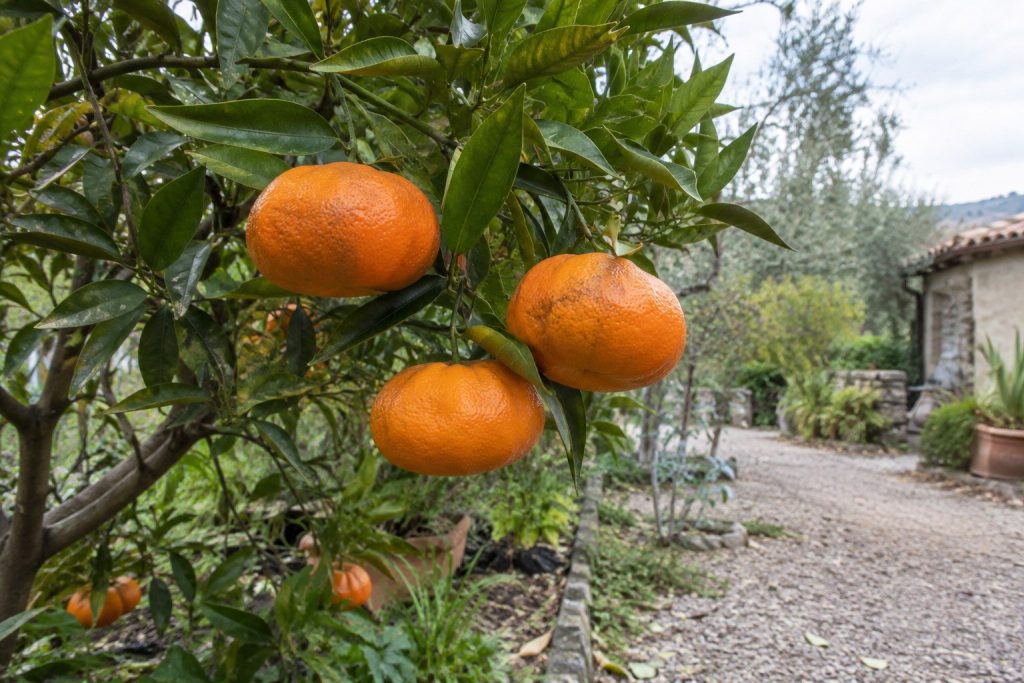
Orange citrus fruit hanging among green leaves

Juanita Mandarin

Juanita is an American mandarin born from a seed of a store-bought fruit, planted by Juanita Barrineau in South Carolina. Its exact parent remains unknown, despite horticultural comparisons with Ponkan. The evergreen tree is described at around 10 to 12 ft (3 to 3.7 m) by Woodlanders, or 13 ft (4 m) in the summary field. It produces large, flattened, sweet, juicy, easy-to-peel mandarins with few seeds according to Jardin Forêt. The harvest retained is in December and January. The cautious reference of 14°F (−10°C) comes from Mayolle; other sellers report 10°F (−12°C). These indications assume a well-established, acclimated adult tree in a sheltered spot, and do not guarantee the harvest after a prolonged freeze. Ulmer explicitly places Juanita in USDA zone 8b. The fruit’s resistance to freezing remains unknown and must be assessed separately from that of the tree.

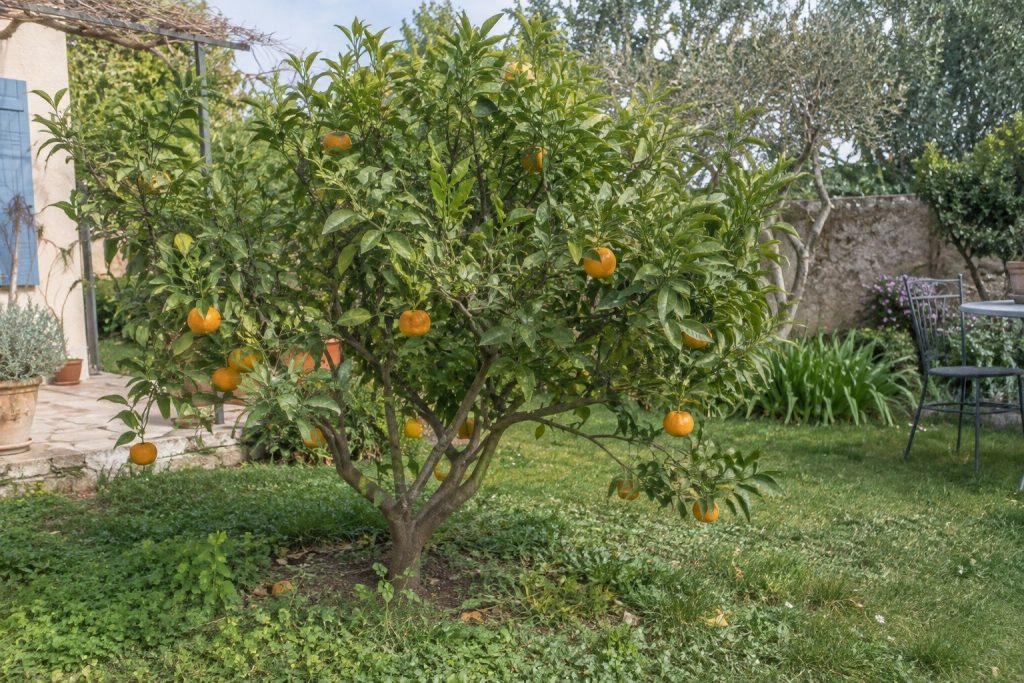
A small citrus tree bearing orange fruit in a garden

Kimbrough Satsuma Mandarin

Kimbrough satsuma (Citrus unshiu ‘Kimbrough’) is an open-pollinated Owari seedling selection, distributed from Louisiana. Its vigorous, spreading tree produces large mandarins with easy-to-remove skin and juicy, sweet-tart flesh, generally with few seeds. A north Florida tree described at about 12 ft (3.7 m) provides the rounded reference of 13 ft (4 m), without establishing a maximum height. American sources place maturity in October and November; Quissac proposes eating through December in France. The 10°F (−12°C) reference repeats a commercial claim. Its superior hardiness over Owari is disputed by LSU and is not promised. North Florida Citrus Nursery recommends Kimbrough in USDA zone 8b for established trees. The fruit suits fresh segments and juice. Choose sun, drainage, and wind shelter, protecting young trees and the crop according to the weather.

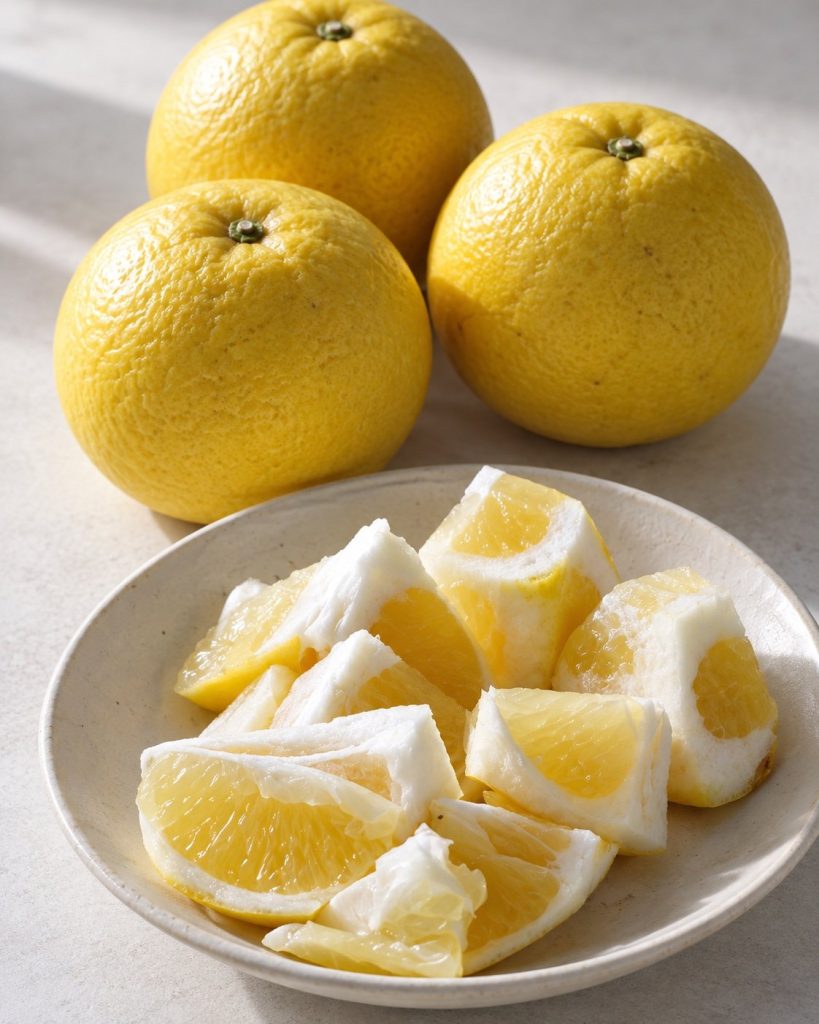
Yellow citrus fruit and peeled segments on a plate

Hyuganatsu

Hyuganatsu (Citrus tamurana) is a Japanese citrus from a chance seedling, prized for its edible white albedo. Discovered around 1820 in Miyazaki, on the island of Kyushu, it is also called Konatsu. Its full parentage is unknown. Nurseries report 16°F (−9°C) on an adult, acclimated tree during a brief freeze. This reference theoretically corresponds to USDA zone 8b, without guaranteeing a harvest. The evergreen tree reaches about 10 ft (3 m) in cultivation. Its growth is vigorous and its spring bloom is white. The yellow, medium-sized fruits have juicy, tart flesh. Ripening is spread from January to May depending on where it is grown. Removing the yellow peel and eating the white with the pulp balances the acidity. The classic type requires cross-pollination and can contain many seeds. Fresh fruit, juice, and desserts showcase its flavor. Plan a sheltered spot, well-draining soil, and, in cold climates, a pot overwintered frost-free.

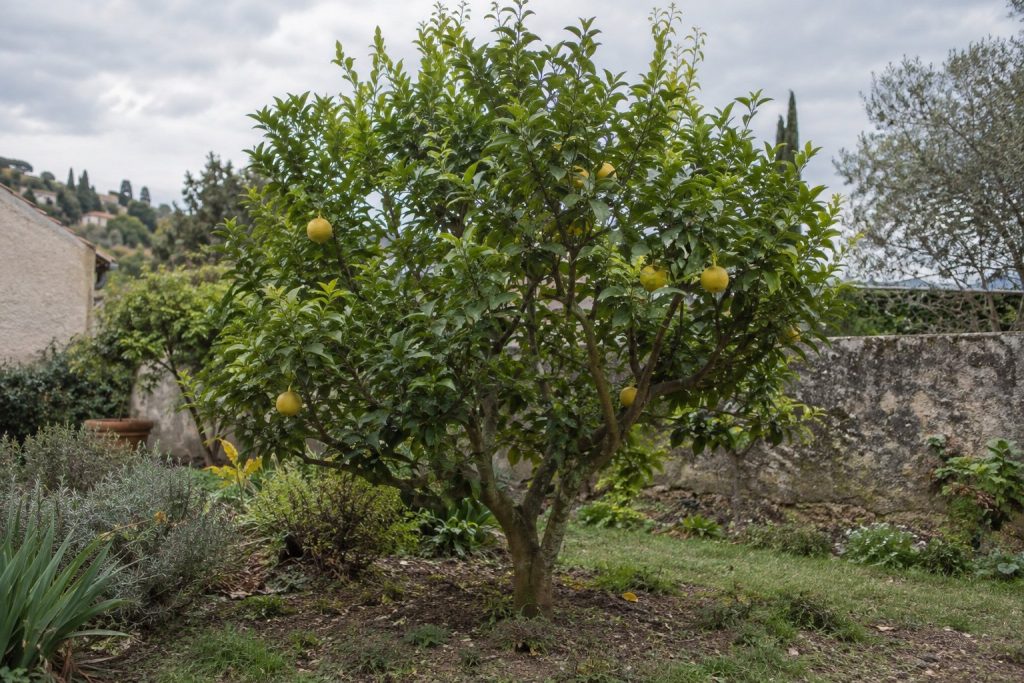
A garden citrus tree bearing yellow fruit beside a stone wall

Pursha Lime

Pursha lime (Citrus limetta ‘Pursha’), also called Rome sweet lime, is an old Italian variety born from a natural cross between the Indian Rangpur lime and the Japanese Shekwasha mandarin. Native to the area around Rome, where it has been grown for several centuries, it was recently rediscovered by specialized French nurseries. Its hardiness reaches 16°F (−9°C) in a sheltered position, which makes it viable up to USDA zone 8b. The tree forms a compact but vigorous specimen reaching 7 to 10 ft (2 to 3 m) with a rounded habit, soft green evergreen foliage, and highly fragrant white flowers, sometimes reblooming. Its round yellow fruits, weighing 2.1 to 3.5 oz (60 to 100 g), have very juicy green-yellow flesh with a paradoxical taste: very mild and sweet despite the look of a lime. Excellent as juice, in marinades, and in pastry. Grafted onto Poncirus trifoliata, ideally against a south-facing wall.

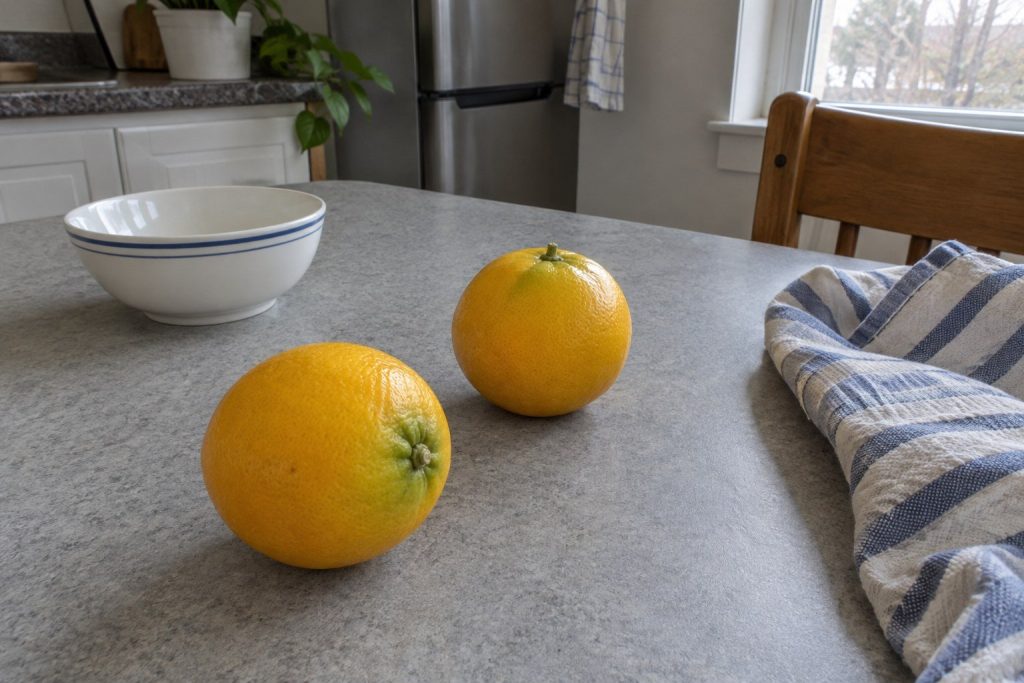
Two yellow-orange citrus fruit on a kitchen counter

Thomson Tangelo

Origin: The Thomson Tangelo is an American selection of Floridian origin, from the vast program of hybridization between mandarins and […]

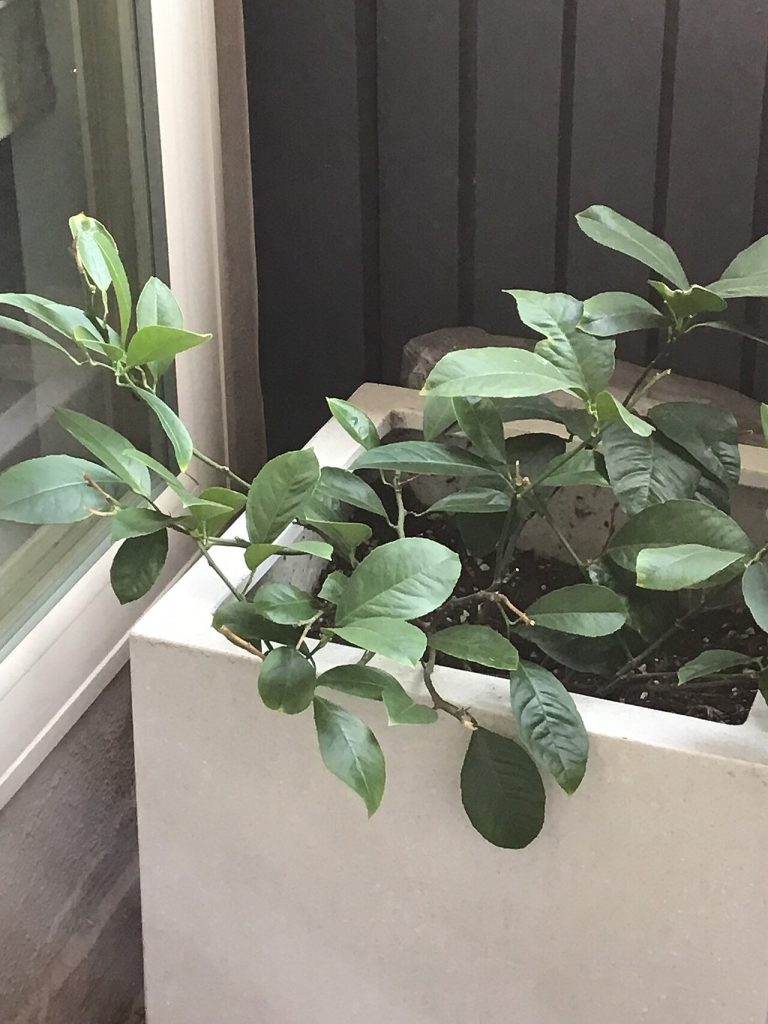
A citrus plant with small green fruit in a pale rectangular pot

Cocktail Grapefruit

Origin: The Cocktail Grapefruit, also called Mandalo, is an American hybrid created in the 1950s at the Citrus Research Center […]

Scroll to Top