Cold hardiness
10°F (−12°C)
Identity
OriginLouisiana, United States
Genetic originOpen-pollinated Owari seedling selection, according to the FAO varietal overview; second parent unidentified
USDA zone8b
Cold hardiness10°F (−12°C)
GrowthVigorous
Height13 ft (4 m)
HarvestOctober, November, December
SeedsFew
UsesFresh eating, Juice
FlavorsSweet, Tart, Balanced
History & Description
Origin
Kimbrough belongs to the satsuma mandarin group, designated here under the horticultural name Citrus unshiu. The UF/IFAS references place its introduction from Louisiana. The FAO symposium's varietal overview presents it as a selection from open-pollinated Owari seedlings. This provides no name for a pollen parent and does not justify inventing a controlled cross. Kimbrough also served as the seed-bearing parent from which Brown’s Select, selected in the Louisiana program, comes. Its place in this varietal history is better documented than the commercial accounts attributing to it a general superiority against cold.Tree description
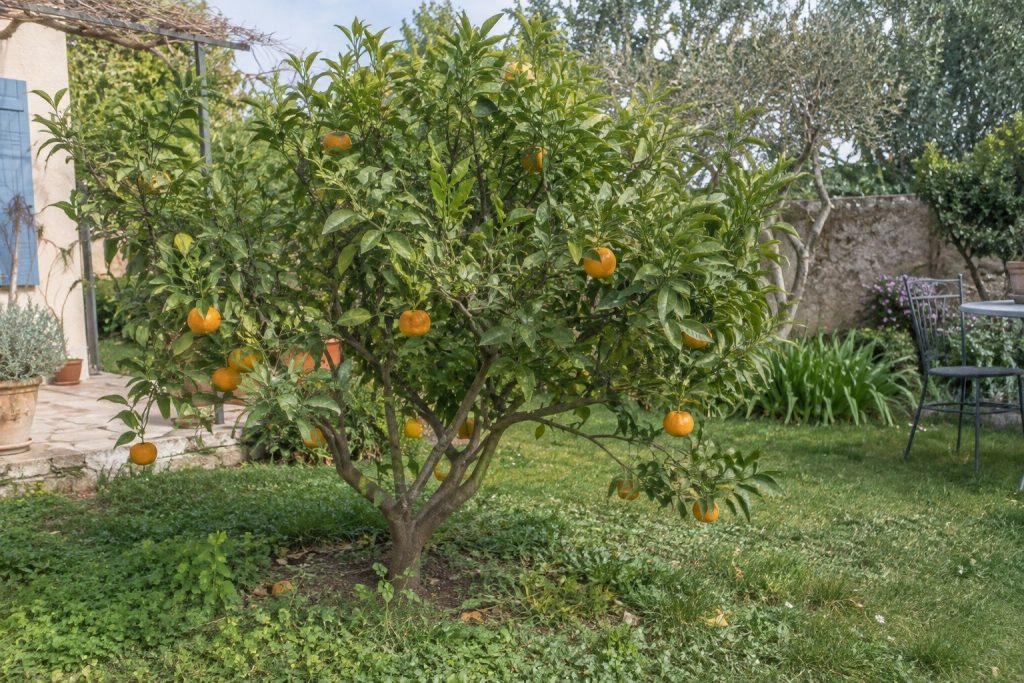
The LSU and UF/IFAS descriptions converge on a vigorous, large-growing, productive tree with spreading branches; Quissac describes it as thornless under its growing conditions. The French grower offers plants grafted on FA5, a detail worth keeping in order to compare its observations with a tree grafted on another rootstock. A Kimbrough tree in north Florida was described at about 12 ft (3.7 m) at almost five years; the rounded reference of 13 ft (4 m) is an observed order of magnitude, supported by the group's dimensions given by UF/IFAS, and not a guaranteed maximum height. The 10°F (−12°C) reference is the one reported by Quissac, without a public protocol; the LSU guide states that Kimbrough has not proved hardier than Owari, whereas UF/IFAS reports a supposed advantage, which calls for protecting young trees and staying cautious during long freezes.Fruit quality
Kimbrough bears mandarins generally larger than those of Owari, with thin skin that comes off easily at maturity. Quissac describes juicy pulp and a balance between sugar and acidity, which becomes sweeter when the fruit stays on the tree a long time. Its fruits are commonly seedless, but UF/IFAS sometimes reports a few: the entry therefore keeps the value "few". American sources place maturity in October-November, notably early or mid-November in Louisiana; the French grower describes juice use from November and fresh eating until December.Flavor and ornamental interest
This cultivar finds its interest in a seasonal, good-sized harvest that can be enjoyed equally in segments or as juice. The fruit's holding on the tree, noted in the Louisiana references, leaves some flexibility in picking when the weather allows. This ability is not proof of the mandarins' resistance to freezing; no fruit-specific threshold is established in the sources retained. Kimbrough thus deserves to be chosen for its documented fruit qualities and productivity, while evaluating the planting site, the rootstock, and the winter protection separately. The grower North Florida Citrus Nursery explicitly recommends Kimbrough among its choices for USDA zone 8b. This advice concerns established trees in north Florida: in France, the duration of the cold, summer heat, and exposure must be evaluated on site.
Back to the collection
Updated: