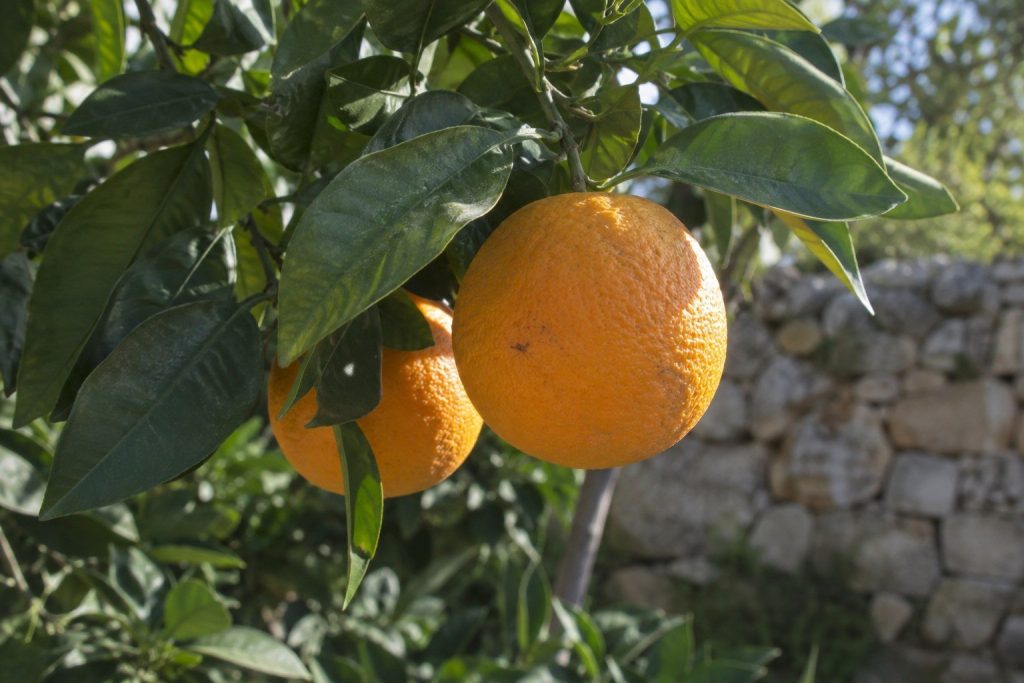
Banyuls Sweet Orange
Origin: The Banyuls Sweet Orange is a French heritage selection originating from the hillsides of the Côte Vermeille, in the […]
What are you looking for?
Origin: The Banyuls Sweet Orange is a French heritage selection originating from the hillsides of the Côte Vermeille, in the […]
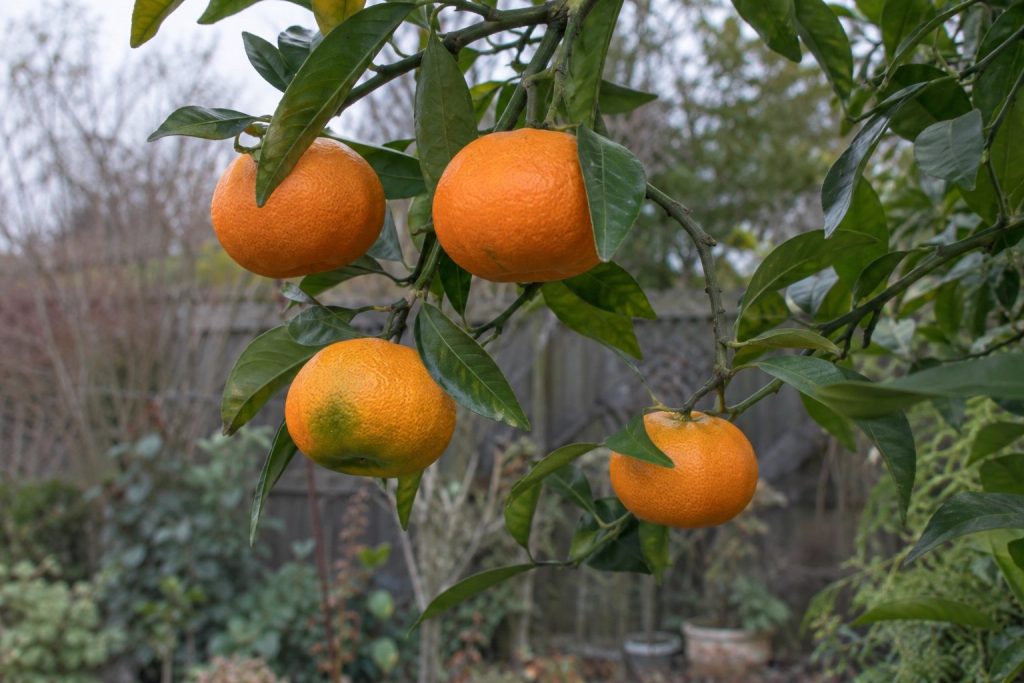
Origin: The Hernandina Clementine is a late Spanish variety discovered in the 1960s in Valencia, Spain, as a spontaneous mutation […]
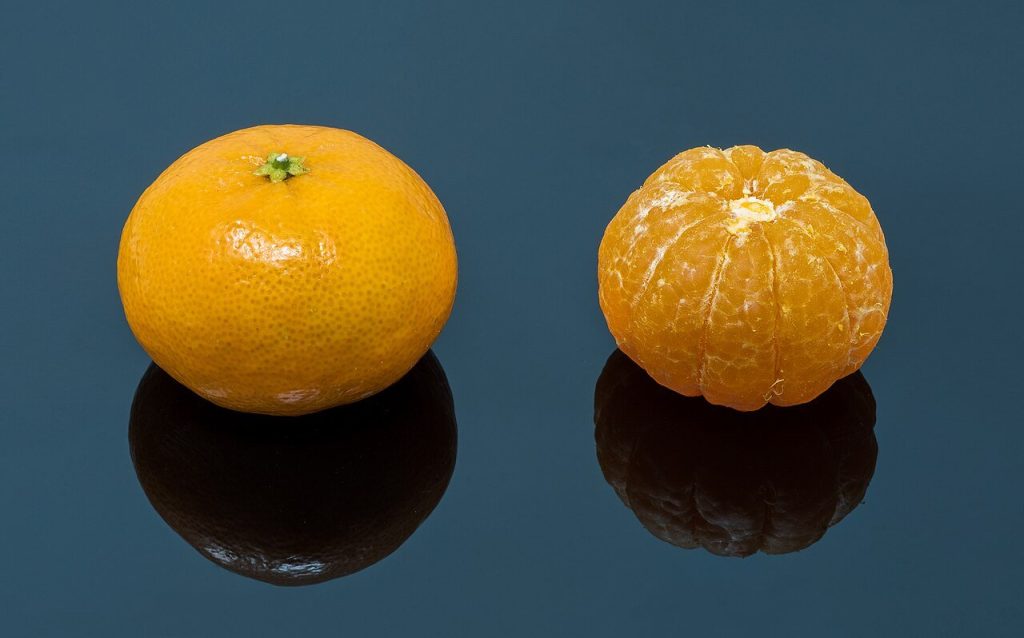
Origin: The Caffin Clementine is an old variety discovered in 1968 at Azemour de Caffin, Morocco, as a spontaneous mutation […]
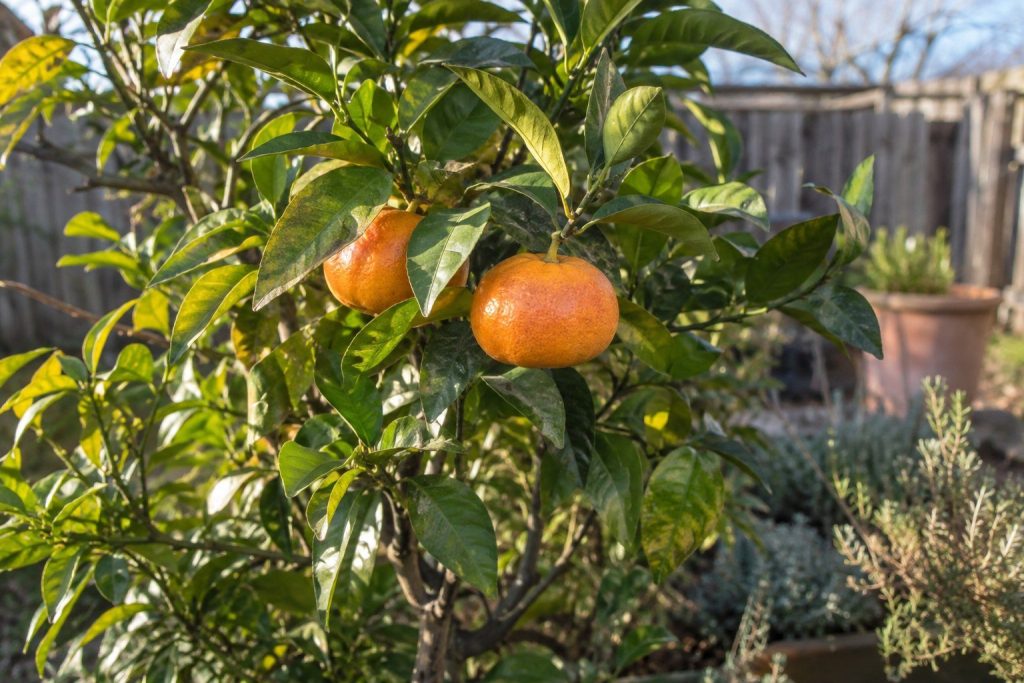
Origin: The Mandared Mandarin is a modern Italian hybrid developed in Sicily, the result of a sophisticated cross between the […]
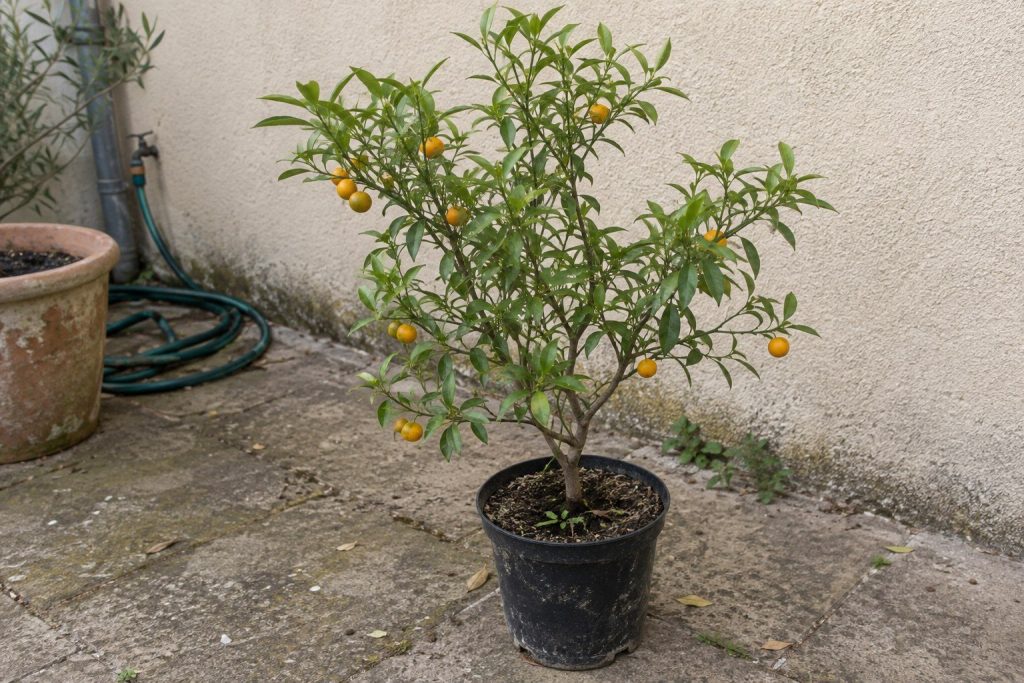
Origin: Procimequat is an extremely rare citrus hybrid, the result of an experimental program led by Eugene May within the […]
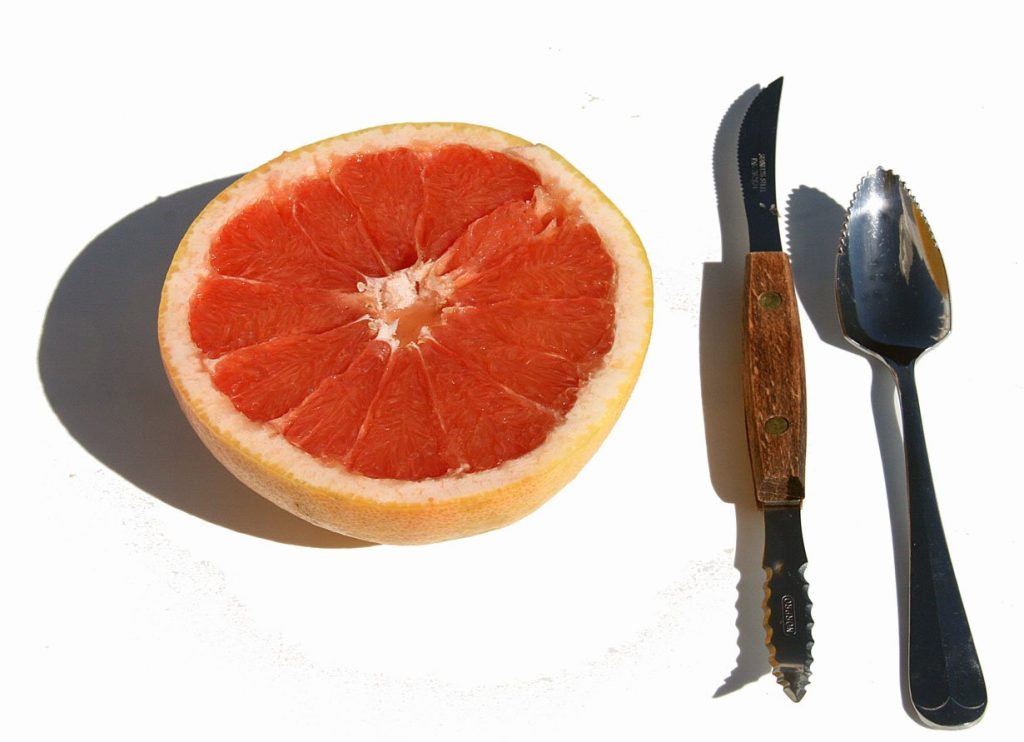
Origin: Star Ruby grapefruit is a red-fleshed grapefruit cultivar developed in the United States in the 1970s at the Texas […]
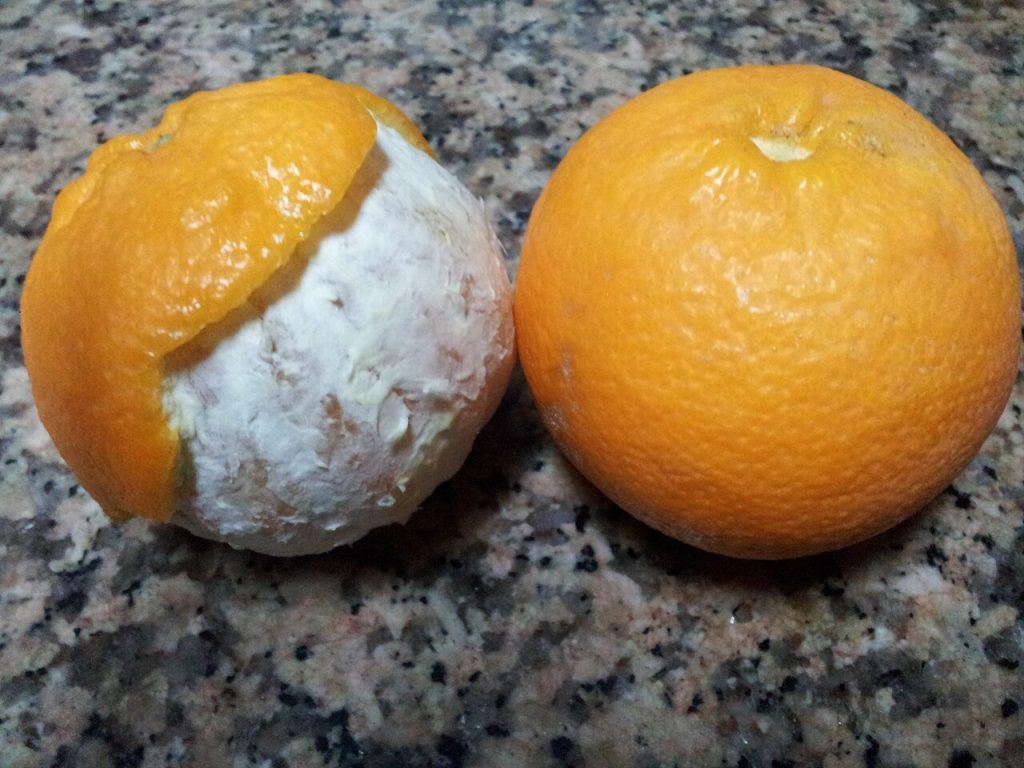
Salustiana orange (Citrus sinensis ‘Salustiana’) is a Spanish mutation of the Comuna orange, selected in Valencia for its juiciness and its complete absence of seeds. Its tree hardiness reaches 16°F (−9°C), making it suitable for in-ground growing in USDA zones 8b and 9a. The vigorous tree reaches 10 to 16 ft (3 to 5 m) with a spreading, rounded habit, glossy evergreen foliage, and fragrant white flowers. Its bright orange fruit, medium-sized at about 5.3 to 6.3 oz (150 to 180 g) according to catalogs, varying with conditions, without a navel, with thin skin that is moderately easy to peel, seedless, ripen in winter (January-March) with very juicy, sweet, low-acid flesh, perfect for juice. Considered one of the best juice oranges in the world, the basis of the Spanish orange juice industry. Excellent fresh too. Graft onto Poncirus trifoliata, plant against a south-facing wall, well-drained soil.
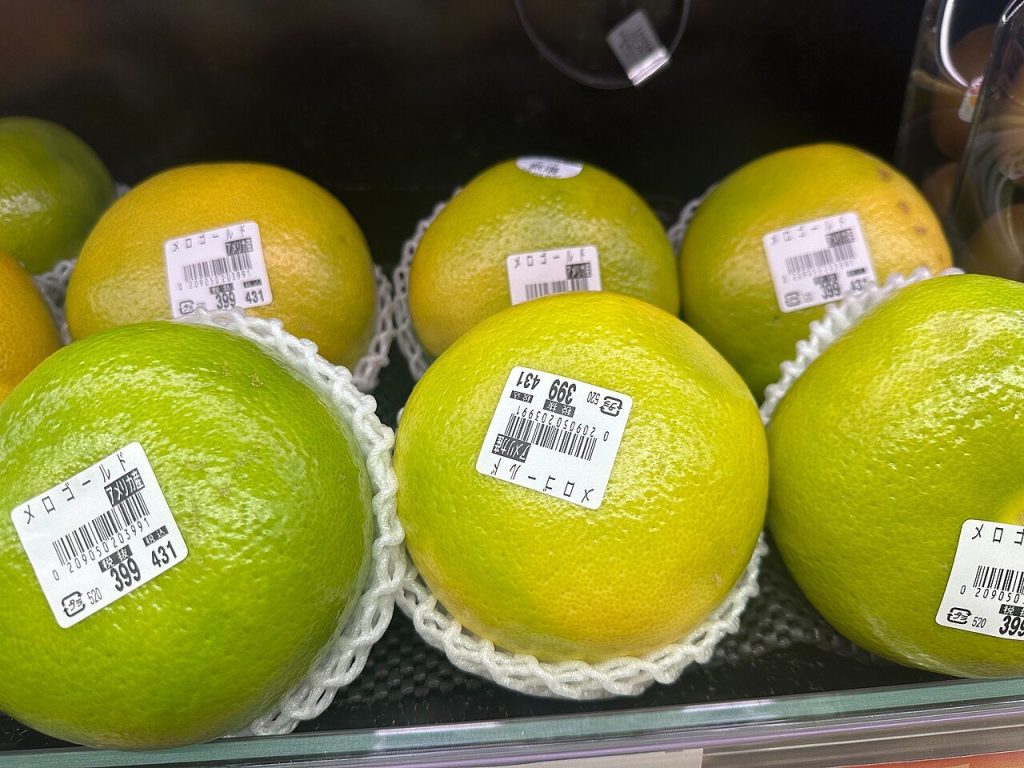
Origin: Melogold is a grapefruit and pummelo hybrid created in 1986 by researchers at the University of California, Riverside, as […]
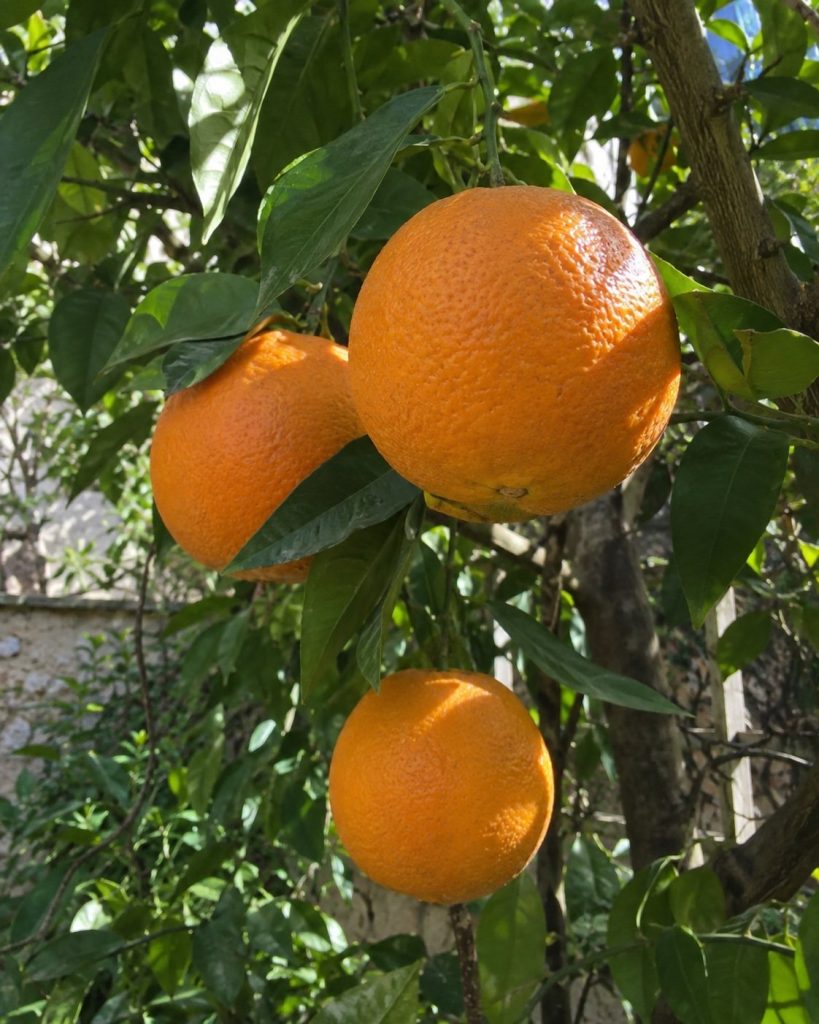
Washington Navel orange (Citrus sinensis ‘Washington Navel’) is the most widely grown navel orange in the world, a natural mutation that appeared in Brazil in the early 19th century and was introduced to Washington in 1870, hence its name. Its tree hardiness reaches 16°F (−9°C), making it suitable for in-ground growing in USDA zones 8b and 9a. The vigorous tree commonly reaches 10 to 16 ft (3 to 5 m) in cultivation, and can reach 20 ft (6 m) in favorable ground, with a rounded habit, evergreen foliage, and fragrant white flowers in spring. Its large bright orange fruit, 7.1 to 10.6 oz (200 to 300 g), characterized by a visible secondary navel, seedless, with easy-to-peel skin, ripen in winter and offer juicy, sweet, fragrant flesh. The ultimate table orange: to be eaten fresh, as juice pressed right away (it oxidizes quickly), in salad. Graft onto Poncirus trifoliata for in-ground growing, plant against a south wall. Harvest in January-March.
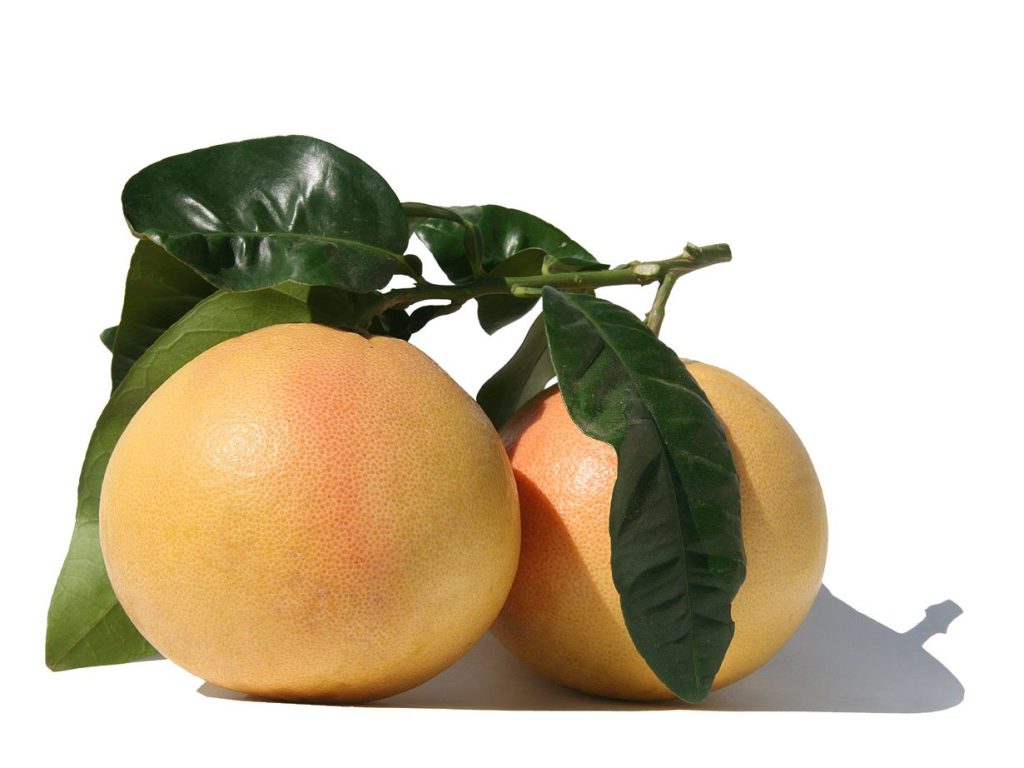
Origin: Rio Red is a red-fleshed grapefruit variety selected in the 1980s through gamma-radiation mutation induction at Texas A&M University, […]