
Cold hardiness
16°F (−9°C)
Identity
OriginSpain (Valencia, L'Énova)
Genetic originSpontaneous mutation of sweet orange (Citrus sinensis 'Comuna')
USDA zone8b
Cold hardiness16°F (−9°C)
Fruit cold hardiness28°F (−2°C)
GrowthVigorous
Height13 ft (4 m)
HarvestJanuary, February, March, April, December
SeedsSeedless
UsesFresh eating, Juice, Preserves
FlavorsVery sweet, Slightly acidic, Highly aromatic
History & Description
Origin
Salustiana orange is a sweet orange variety born in Spain, discovered around 1950 in the province of Valencia, in the garden of Don Salustiano Pallás in L'Énova. Arising from a spontaneous bud mutation on an orange tree of the Comuna variety (Citrus sinensis), it was quickly recognized for its exceptional juice qualities and marketed throughout the Mediterranean basin. Its name comes directly from its discoverer. The variety now accounts for 6 to 8% of the area planted to oranges in Spain and is grown in Spain, Morocco, Argentina, and many Mediterranean countries. It is considered by many agronomists to be the best juice orange in the world. In France, it is grown in sheltered zone 8b gardens, grafted onto a hardy rootstock such as Poncirus trifoliata or Citrumelo.Tree description
Salustiana is a vigorous orange tree with an upright, thornless habit and dense, glossy dark green evergreen foliage. It reaches 10 to 13 ft (3 to 4 m) in the ground in Mediterranean conditions. Its very fragrant white bloom comes in spring and generously perfumes the garden. Grafted onto Poncirus trifoliata or Citrumelo, it can be grown in a very sheltered position up to zone 8b.Fruit quality
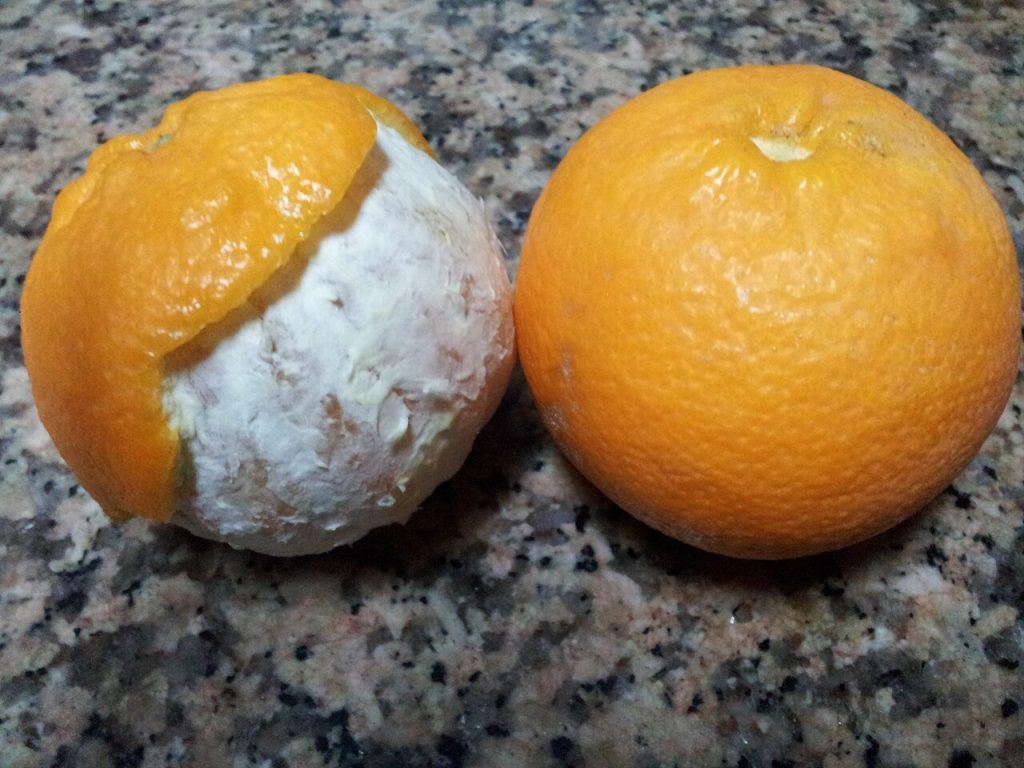
The fruit is spherical, slightly flattened at the apex, medium to large, weighing 5.3 to 6.3 oz (150 to 180 g) and 2.8 in (7 cm) in diameter, with thin, smooth, bright orange skin. The pulp is melting, extremely juicy, intensely flavored, very sweet and low in acid. It is almost seedless and holds very long on the tree, from December to April, without loss of flavor quality.Flavor and ornamental interest
Salustiana is above all an exceptional citrus for its abundant, mild, sweet juice, the reference of Mediterranean juice presses. Its fruit keep for several months and offer a harvest window from December to April, filling the winter gap. The tree is decorative with its large, fragrant orange blossoms and its persistent golden fruit. It is a choice specimen for sheltered southern gardens where frost remains moderate.
Back to the collection
Updated: