Cold hardiness
14°F (−10°C)
Identity
OriginVenezuela
Genetic originMutation of Washington Navel
USDA zone8b
Cold hardiness14°F (−10°C)
Fruit cold hardiness28°F (−2°C)
GrowthVigorous
Height16 ft (5 m)
HarvestJanuary, February, December
SeedsSeedless
UsesFresh eating, Juice
FlavorsSweet, Red fruit notes
History & Description
Origin
Cara Cara orange takes its name from the Hacienda Cara Cara in Valencia, Venezuela, where it was discovered by chance in 1976. It is a spontaneous mutation (sport) of the Washington Navel orange. Introduced to the United States in the late 1980s, it quickly conquered the world market thanks to its genetic singularity that changes the color of its flesh.Tree description
This is a vigorous, productive tree that adapts well to various Mediterranean climates (zone 8b). It has dense, dark green foliage, very decorative, which sets off its fruit.Fruit quality
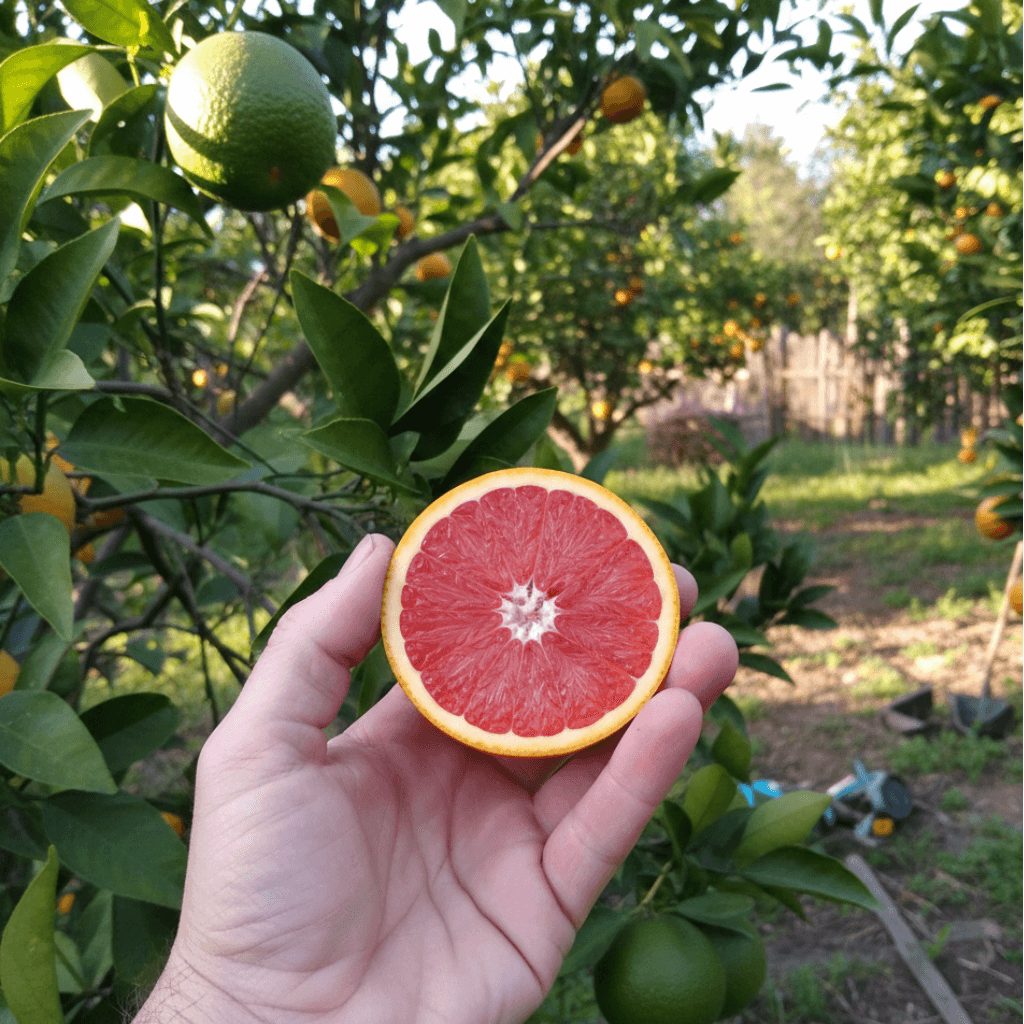
This navel is characterized by its surprising salmon-pink flesh, a hue due to its naturally high concentration of lycopene (an antioxidant), all in a juicy, seedless fruit.Flavor and ornamental interest
Beyond its color, it offers a complex tasting experience with subtle notes of red fruit such as raspberry or blackberry, making it a spectacular table fruit as beautiful as it is good.
Back to the collection
Updated: