Cold hardiness
16°F (−9°C)
Identity
OriginFrance (Côte Vermeille, Pyrénées-Orientales)
Genetic originLocal Catalan selection of Citrus sinensis
USDA zone8b
Cold hardiness16°F (−9°C)
Fruit cold hardiness27°F (−3°C)
GrowthVigorous
Height16 ft (5 m)
HarvestJanuary, November, December
SeedsFew
UsesFresh eating, Juice
FlavorsSweet, Vanilla notes
History & Description
Origin
The Banyuls Sweet Orange is a French heritage selection originating from the hillsides of the Côte Vermeille, in the Pyrénées-Orientales, straddling Catalan France and Spain. Traditionally grown by Banyuls winegrowers alongside viticulture, it benefits from the Mediterranean microclimate sheltered by the Albères. The term "Douce" underlines its main characteristic: very low acidity and pronounced sugar, qualities typical of orange trees selected on dry schist soil. Long obscure, it has been preserved by a few specialist nurseries, including Vessières, which is bringing it back into fashion. It represents Catalan fruit heritage just like the Banyuls muscat or the vineyard peach, a regional variety with identity value.Tree description
The tree is vigorous and very productive, reaching 16 ft (5 m) tall at maturity, with dense, dark green evergreen foliage. The white spring bloom is particularly fragrant in this variety, recalling the traditional bitter orange blossom. Fruiting is regular and abundant, spread over late fall and winter. Growth is steady in well-drained soil, with excellent adaptation to the windy, sunny conditions of the Côte Vermeille.Fruit quality
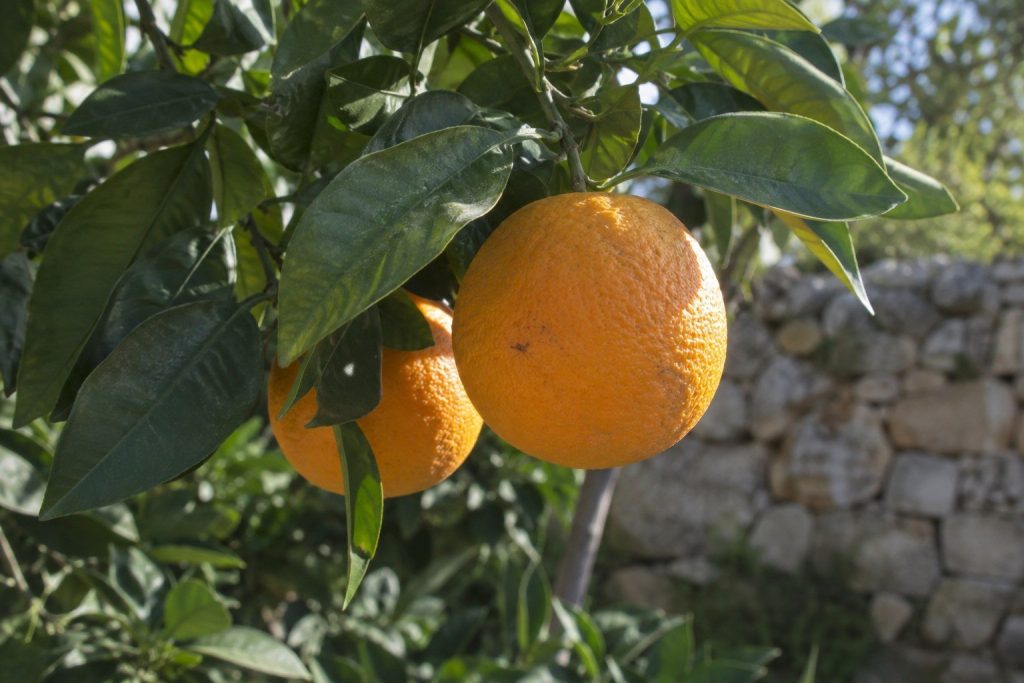
The fruit is a medium-sized orange of about 5.6 oz (160 g), round, with moderately thick skin of a luminous orange. The flesh is bright orange, extremely sweet with very low acidity, making it an ideal choice for people sensitive to acidic citrus. The subtle vanilla aromatic notes at full maturity are a signature of this selection, distinguishing the Banyuls sweet orange from other sweet Mediterranean oranges.Flavor and ornamental interest
The Banyuls Sweet Orange excels in fruit salads, citrus carpaccios and desserts where its low acidity brings out other ingredients. Its juice is sweet and smooth, ideal at breakfast. In cooking, its fragrant peel is used as zest to flavor cookies and pastry creams. As an ornamental, its vigorous habit and luminous fruits in midwinter make it a remarkable Mediterranean patio tree. Its hardiness at 16°F (−9°C), superior to most Italian sweet oranges, destines it for gardens in zone 8b.
Back to the collection
Updated: