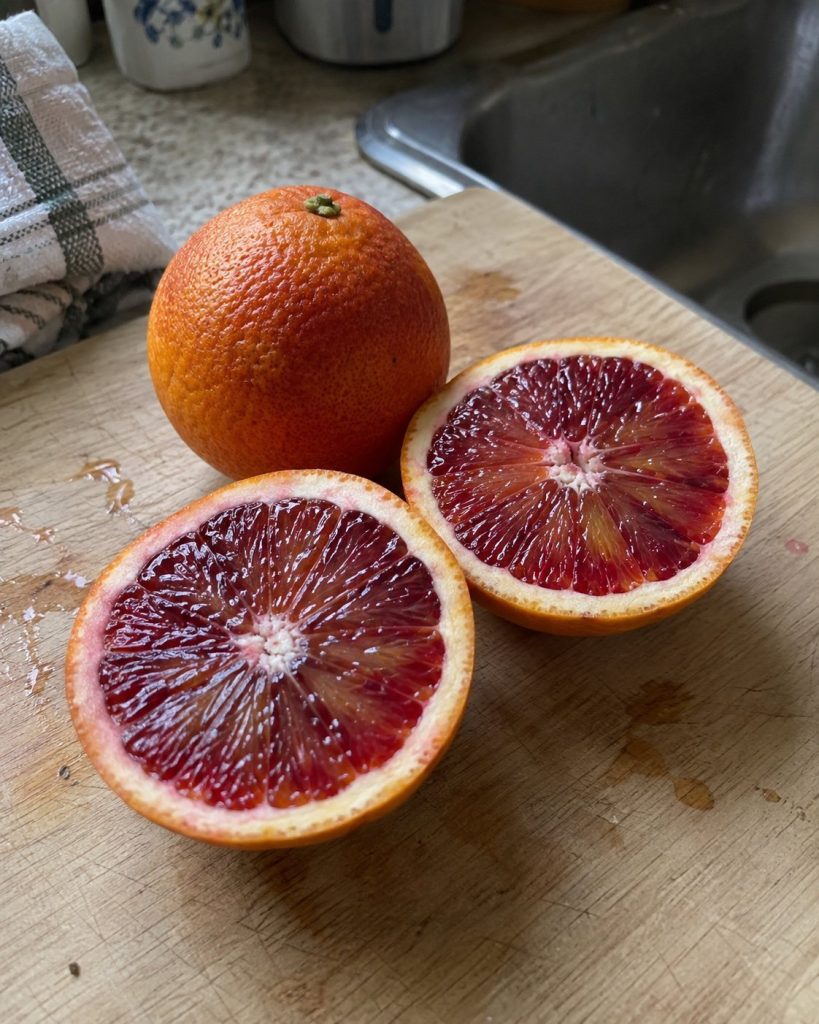
Moro Blood Orange
Origin: Moro blood orange (Citrus sinensis ‘Moro’) is one of the most iconic and most deeply pigmented blood oranges there […]
What are you looking for?
Origin: Moro blood orange (Citrus sinensis ‘Moro’) is one of the most iconic and most deeply pigmented blood oranges there […]
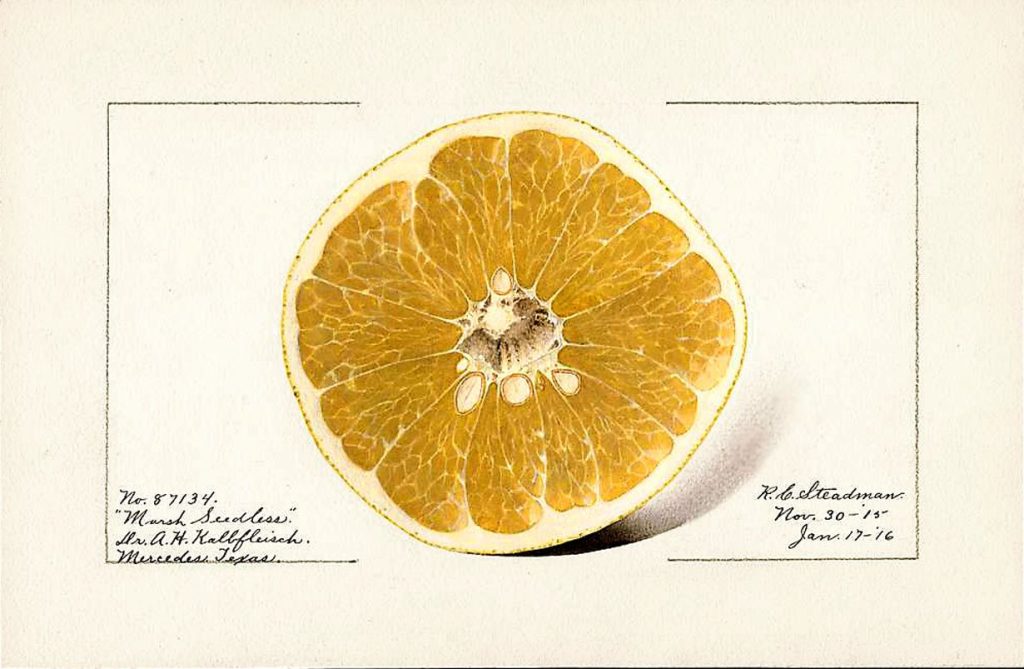
Origin: Marsh Seedless grapefruit is one of the most iconic and widely grown grapefruit varieties in the world, a true […]
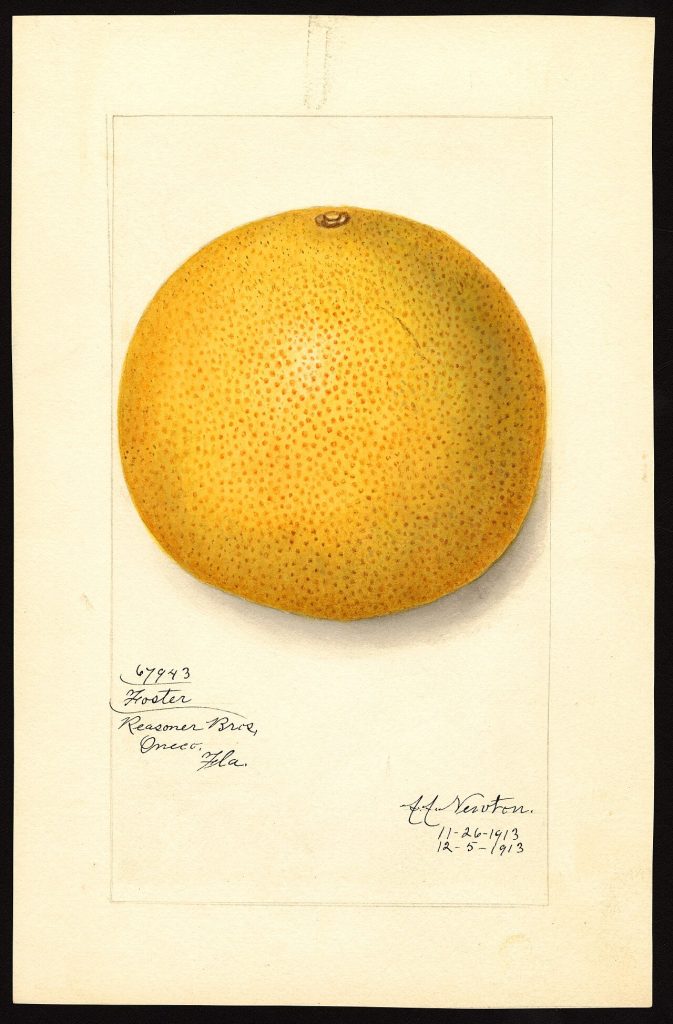
Origin: The Foster grapefruit is a historic Citrus paradisi cultivar native to Florida. It is a sport (spontaneous bud mutation) […]
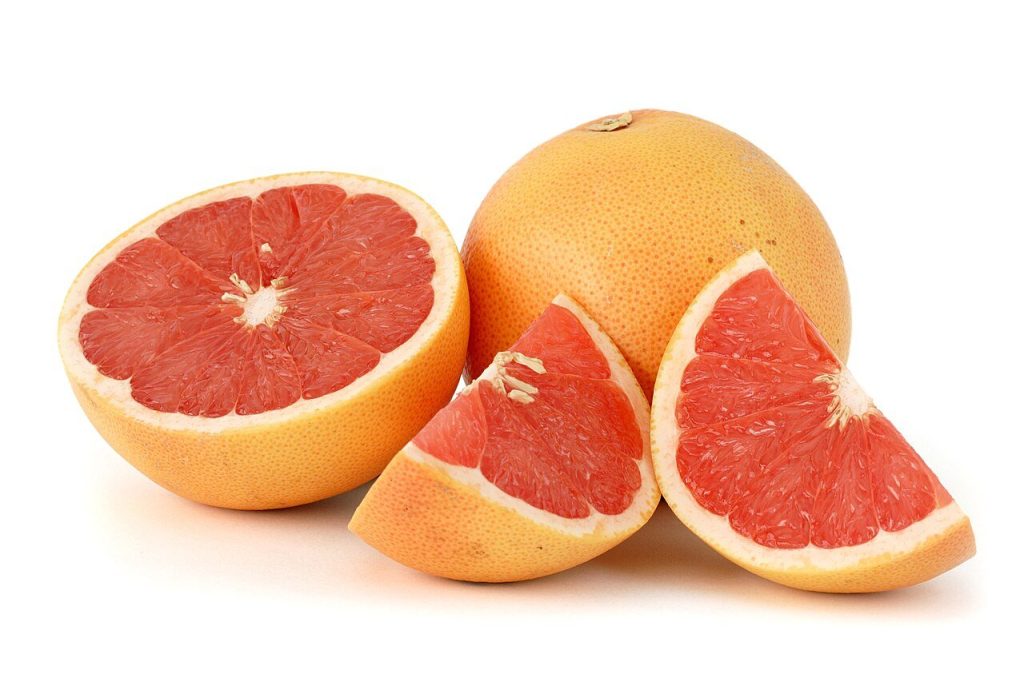
Origin: The Welker grapefruit (Citrus paradisi ‘Welker’) is a variety selected specifically for its exceptional cold resistance among Citrus paradisi. […]
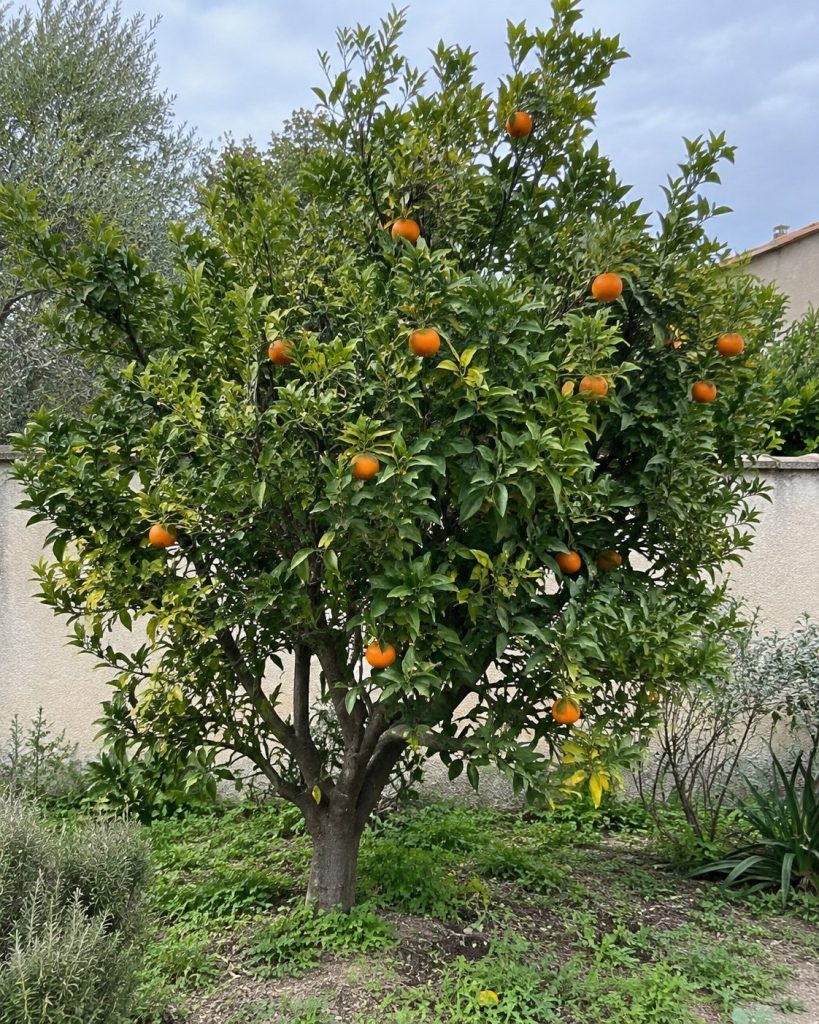
Origin: The Ponkan mandarin, or Citrus reticulata ‘Ponkan’, has been one of the most widely grown and appreciated mandarins in […]
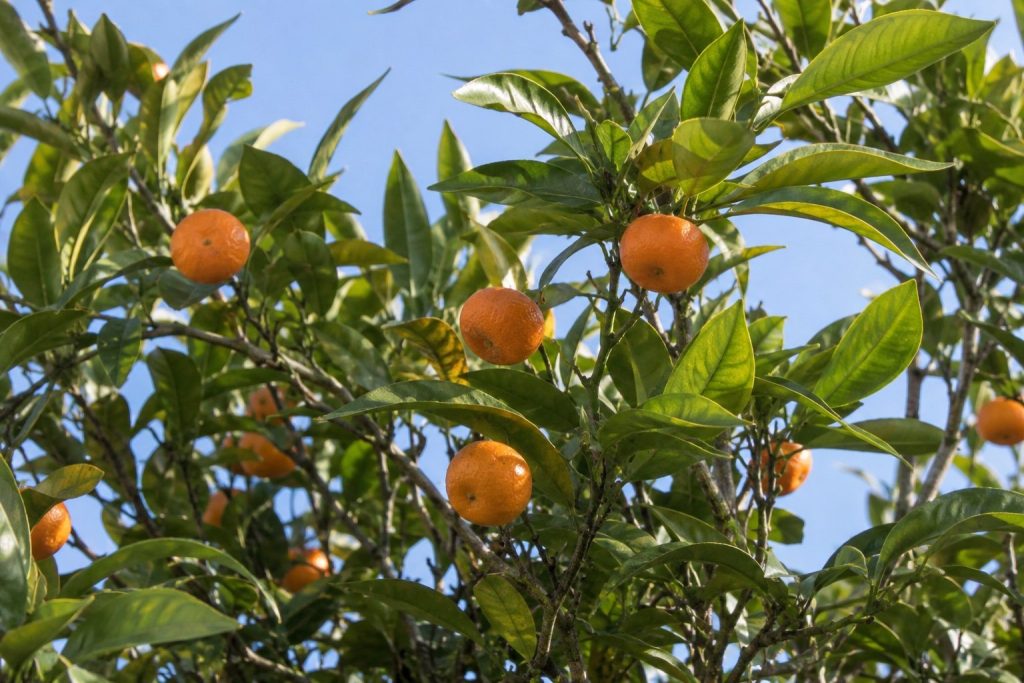
Origin: The Kishu Mikan mandarin is native to southern China, cultivated since the eighth century and documented during the Ming […]
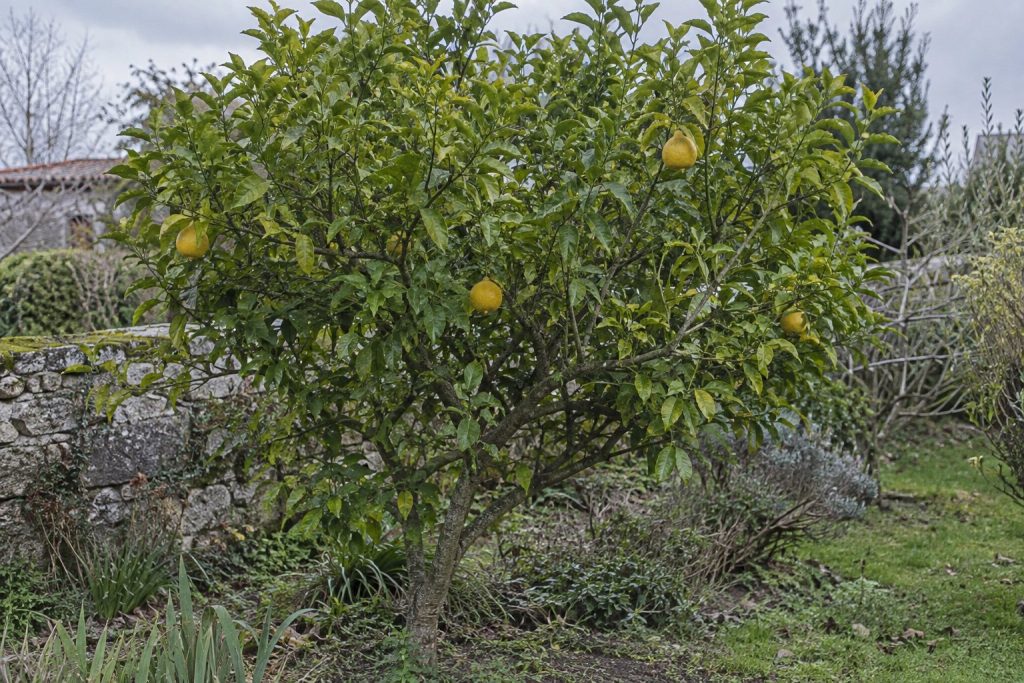
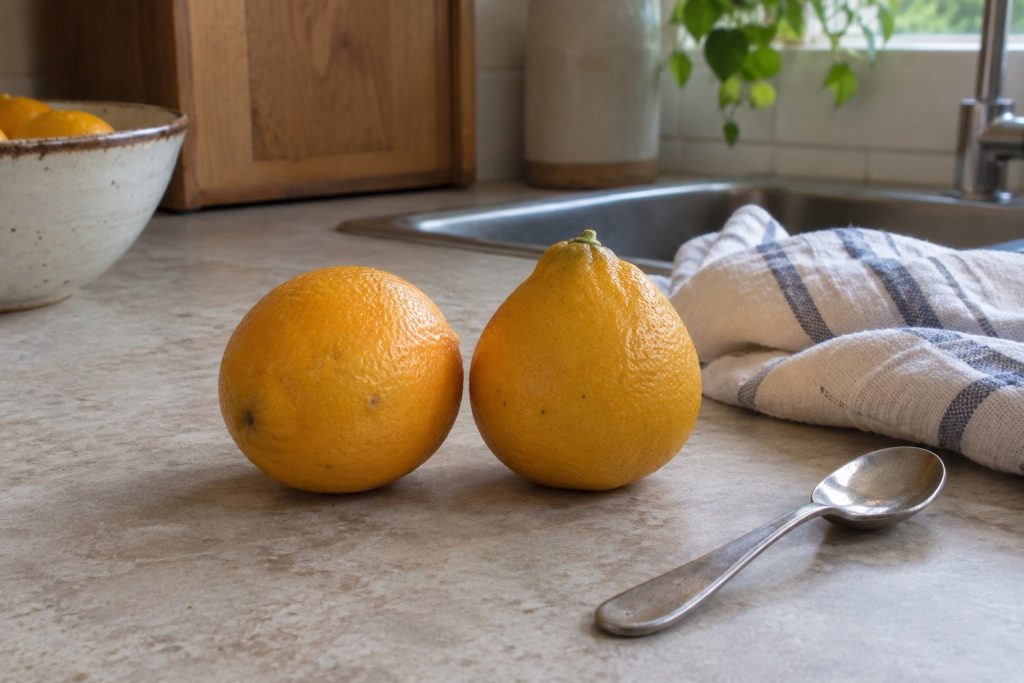
Kinkoji (Citrus obovoidea), sold in Texas as Bloomsweet grapefruit, is an old Japanese citrus of unknown parentage, most likely a pummelo × mandarin hybrid. Growers report that mature trees survive about 14 to 15°F (−10 to −9°C), which makes it one of the more cold-tolerant grapefruit-type citrus, though its hardiness has never been measured in a published trial. The vigorous tree reaches 10 to 13 ft (3 to 4 m). Its large, yellow-orange fruit, round to slightly pear-shaped with a thick rind, ripens from late fall into winter; the juicy flesh is mildly acidic and not bitter, with 10 to 15 seeds. Good fresh, juiced or made into marmalade. Best suited to USDA zones 8b and 9 on a trifoliate-type rootstock.
Origin: The Sunquat is an interspecific hybrid obtained by the USDA citrus breeding program in Florida, from a cross between […]
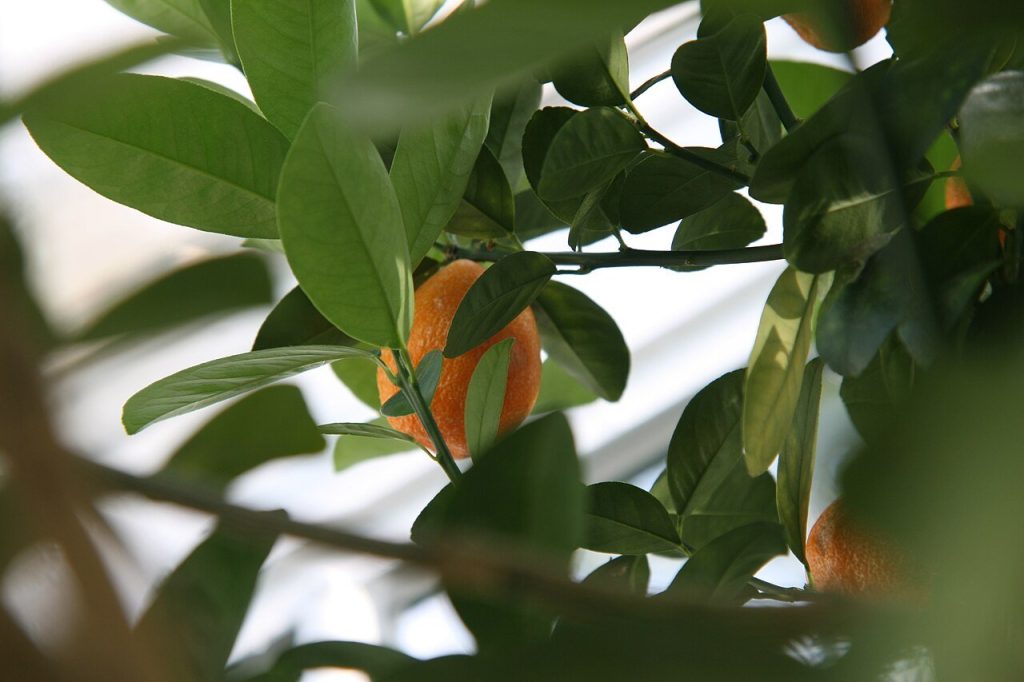
Origin: The Changshou kumquat, whose name means “longevity” in Mandarin, is a distinct species of the genus Fortunella native to […]
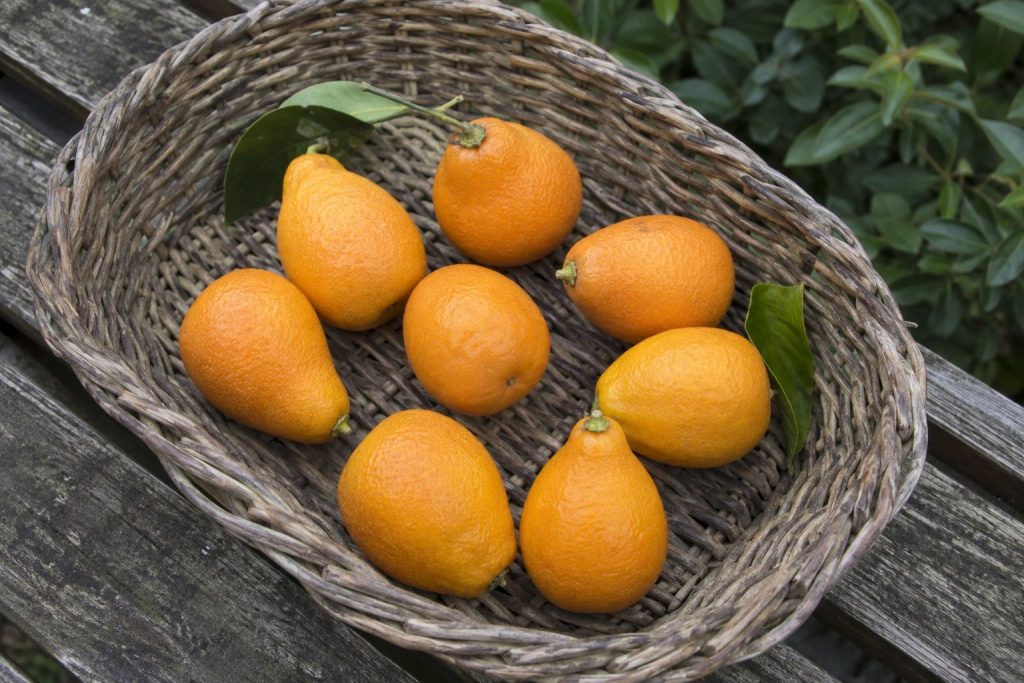
Origin: Indio mandarinquat is an interspecific hybrid conserved by the USDA (United States Department of Agriculture): scions were received at […]