Cold hardiness
16°F (−9°C)
Identity
OriginIndia
Genetic originNatural mandarin, Citrus reticulata variety poonensis
USDA zone8b
Cold hardiness16°F (−9°C)
Fruit cold hardiness27°F (−3°C)
GrowthVigorous
Height13 ft (4 m)
HarvestJanuary, December
SeedsFew
UsesFresh eating, Juice
FlavorsSweet, Highly aromatic, Balanced
History & Description
Origin
The Ponkan mandarin, or Citrus reticulata 'Ponkan', has been one of the most widely grown and appreciated mandarins in Asia for several centuries. Native to India, probably the Pune (formerly Poona) region, from which it takes its botanical variety name poonensis, it was introduced to China and Japan during the Middle Ages. The Ponkan has become one of the emblematic citrus of Taiwan, where it is grown on a massive scale on the slopes of the island’s central hills. Known under many regional names (Ponkam in India, Dongting in China), it was introduced to Europe via nineteenth-century botanical collections. Grafted onto Poncirus trifoliata, it reaches a hardiness of 16°F (−9°C), paving the way for its cultivation in zone 8b gardens.Tree description
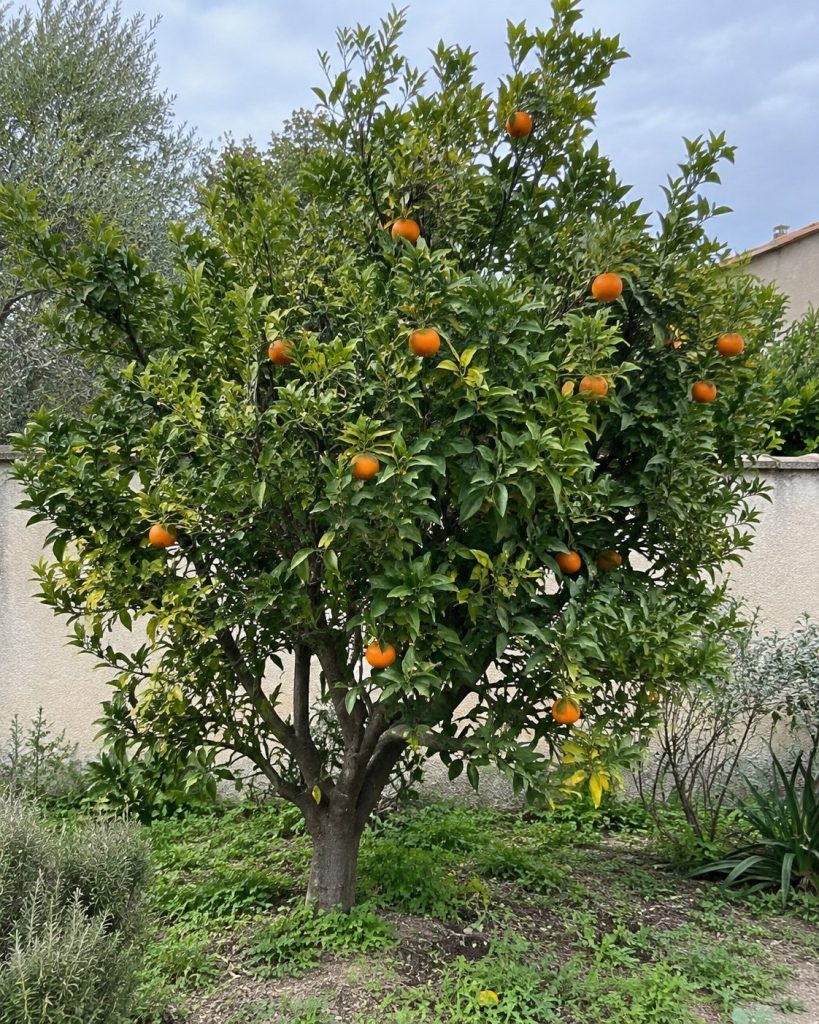
A vigorous and productive tree, reaching 10 to 13 ft (3 to 4 m) in the ground in favorable regions. The evergreen foliage is dense and a steady green, very ornamental in every season. The highly fragrant white flowering takes place in spring. The tree is very productive and can alternate between heavy-production years, sometimes requiring fruit thinning to maintain regularity.Fruit quality
Medium to large fruit, round and slightly flattened, a lovely intense yellow-orange at full maturity. The skin is thin, easily peeled, and very fragrant. The flesh is juicy and very sweet with a very pleasant slight residual acidity. Contains few seeds depending on the pollination available. Harvest takes place from December to January, when the floral aroma is at its peak.Flavor and ornamental interest
The Ponkan is a dessert mandarin par excellence, appreciated for its freshness, easy peeling, and very pronounced floral aroma. Excellent as fresh juice, it is also highly prized in Asia as a festival and New Year fruit. Its dense foliage and balanced silhouette make it a fine ornamental tree for Mediterranean gardens. The highly fragrant flowers are an added attraction in spring.
Back to the collection
Updated: