Cold hardiness
16°F (−9°C)
Identity
OriginFlorida, United States
Genetic originSelection of Citrus paradisi for maximum hardiness, hybrid of Citrus maxima × Citrus sinensis
USDA zone8b
Cold hardiness16°F (−9°C)
Fruit cold hardiness27°F (−3°C)
GrowthVigorous
Height20 ft (6 m)
HarvestJanuary, February, March, April, May
SeedsFew
UsesFresh eating, Juice
FlavorsSlightly acidic, Balanced, Slight bitterness
History & Description
Origin
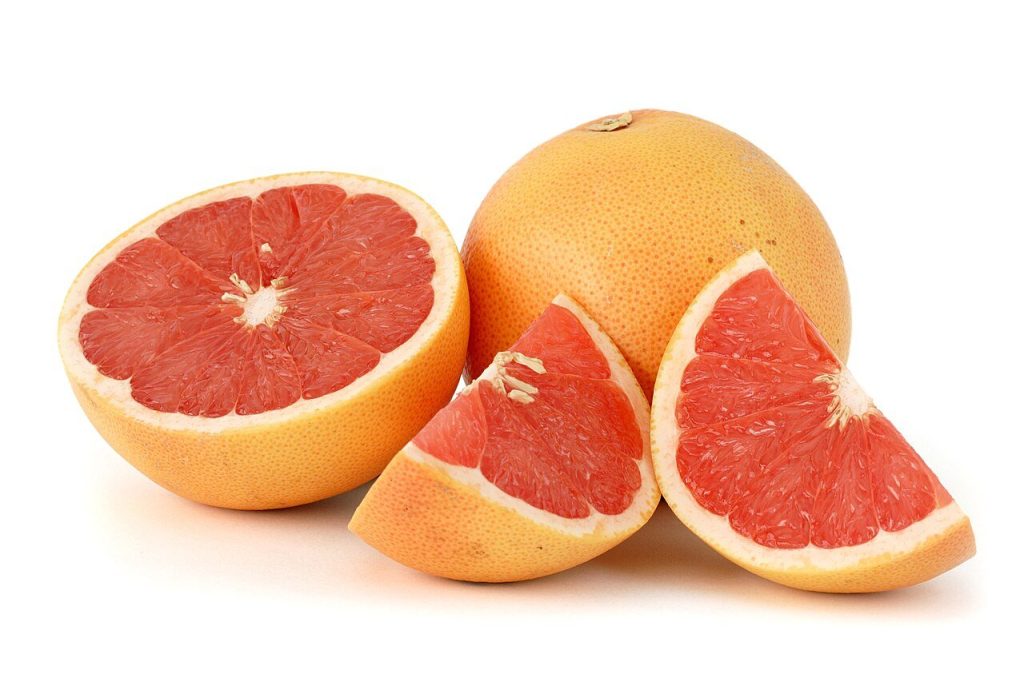
The Welker grapefruit (Citrus paradisi 'Welker') is a variety selected specifically for its exceptional cold resistance among Citrus paradisi. The grapefruit is a natural hybrid that appeared in the Antilles in the seventeenth to eighteenth century, from a spontaneous cross between the Asian pummelo (Citrus maxima) and the sweet orange tree (Citrus sinensis). The Welker selection was made in Florida to isolate an individual that was particularly productive and frost-resistant in cool subtropical regions. Its hardiness of 16°F (−9°C), with some specialized sources granting it as much as 14 to 10°F (−10 to −12°C) in very favorable conditions, makes it one of the grapefruits most suited to cultivation in European zone 8b, notably in the Atlantic southwest and the French Mediterranean basin. It is offered by specialist nurseries such as Jardin Écologique that test these varieties in real conditions.Tree description
A large, vigorous tree that can reach 13 to 20 ft (4 to 6 m) in the ground in favorable Mediterranean regions. Dense evergreen foliage, glossy dark green, with the large winged leaves characteristic of grapefruits. Large, highly fragrant white flowers in spring. Growth is vigorous and production abundant once the tree is well established.Fruit quality
Medium-sized fruit, 3 to 3.5 in (8 to 9 cm) in diameter, with firm, juicy white flesh. A slight bitterness characteristic of grapefruits in the zest and membranes, with sweet-tart flesh that is very pleasant at full maturity. The harvest runs from January to May, with optimal quality late in the season when the fruits reach their full sweetness on the tree.Flavor and ornamental interest
The Welker grapefruit is eaten mainly as a table fruit and as juice. Its late, extended harvest season (5 months, until May) makes it a very valuable complement to fall and winter citrus. Its large evergreen foliage, fragrant flowering, and big yellow fruit are notable ornamental assets for Atlantic and mild Mediterranean gardens.
Back to the collection
Updated: