Cold hardiness
16°F (−9°C)
Identity
OriginUnited States (Riverside, California)
Genetic originChinese pummelo × mandarin hybrid
USDA zone8b
Cold hardiness16°F (−9°C)
Fruit cold hardiness27°F (−3°C)
GrowthVigorous
Height16 ft (5 m)
HarvestJanuary, February
SeedsFew
UsesFresh eating, Juice
FlavorsSweet, Highly aromatic
History & Description
Origin
The Cocktail Grapefruit, also called Mandalo, is an American hybrid created in the 1950s at the Citrus Research Center in Riverside, California. It results from a cross between a Chinese pummelo (Citrus grandis) and a mandarin, a combination meant to sweeten the pummelo while keeping its fruit-bearing generosity. Its commercial name "Cocktail" refers to the complex, fragrant character of its juice, considered a natural blend of multiple notes. Introduced very late in Europe, it remains a rare variety in French catalogs, reserved for collectors and lovers of exotic citrus. Its presence in the Vessières collection illustrates the determination of specialist nurserymen to make cultivars from Californian agronomic research accessible to the general public.Tree description
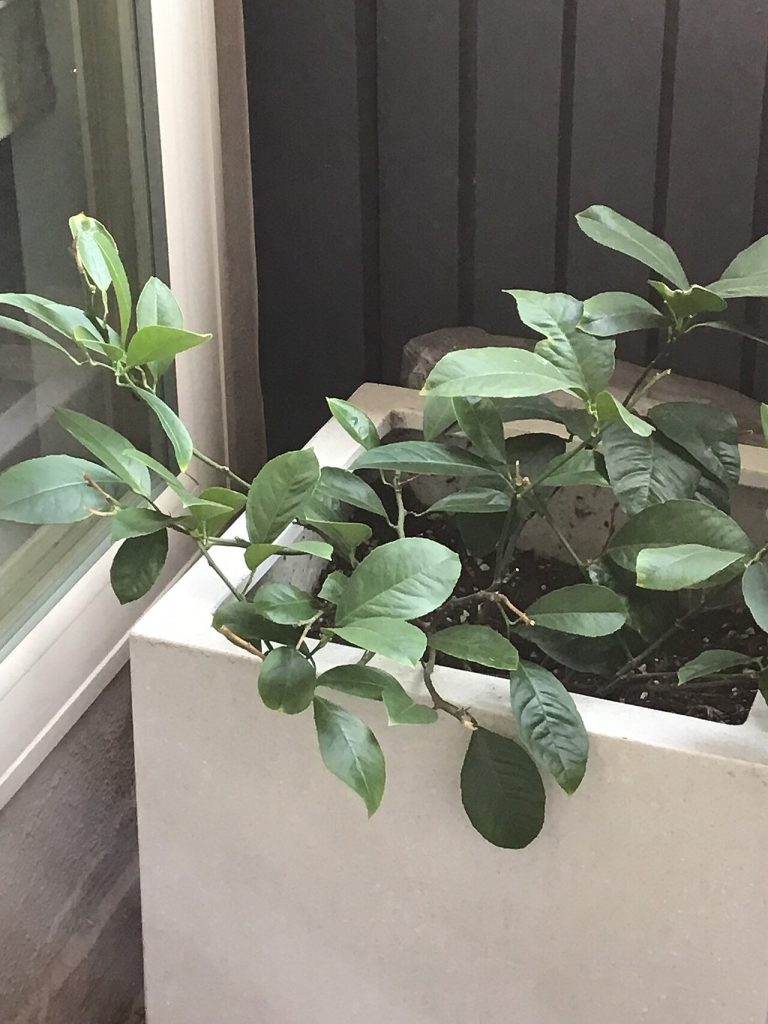
A very vigorous and extremely productive tree, able to produce more than 220 lb (100 kg) of fruit at maturity. It reaches 16 ft (5 m) tall with a semi-upright habit and dark green evergreen foliage. The spring bloom is abundant and leads to widespread fruiting that often requires manual thinning to size the fruit. Spring growth is pronounced, allowing rapid fruiting on young grafted trees.Fruit quality
The fruit is a slightly oval grapefruit of standard size (1.1 to 1.5 lb, or 500 to 700 g), with moderately thick, bright yellow skin. The flesh is pale yellow, extremely juicy, with a few seeds. The Cocktail's aromatic signature is a discreet white peach note mixed with the grapefruit's classic freshness, offering a unique flavor complexity. The pronounced sweetness makes it one of the most approachable grapefruits for eating out of hand.Flavor and ornamental interest
The Cocktail Grapefruit is enjoyed fresh in salads or pressed for a juice whose complexity rivals the best citrus cocktails. Its sweet, fragrant juice pairs excellently with signature cocktails (gin and tonic, homemade spritz) and with sorbets. In cooking, its fragrant zest brings original fruity notes to pastries. As an ornamental, the load of large bright yellow fruits in midwinter is particularly spectacular. Its hardiness at 16°F (−9°C), superior to most commercial grapefruits, allows planting in the ground in zone 8b.
Back to the collection
Updated: