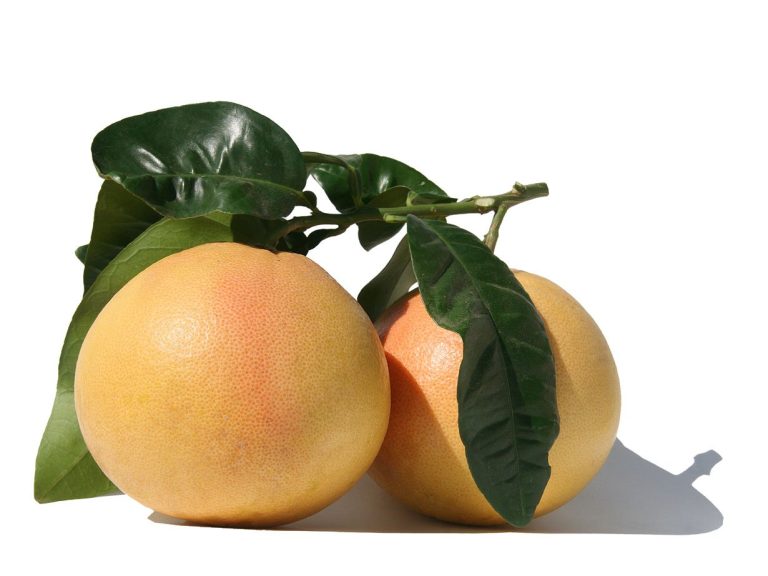
Container or in-ground growing: plan for space and warmth
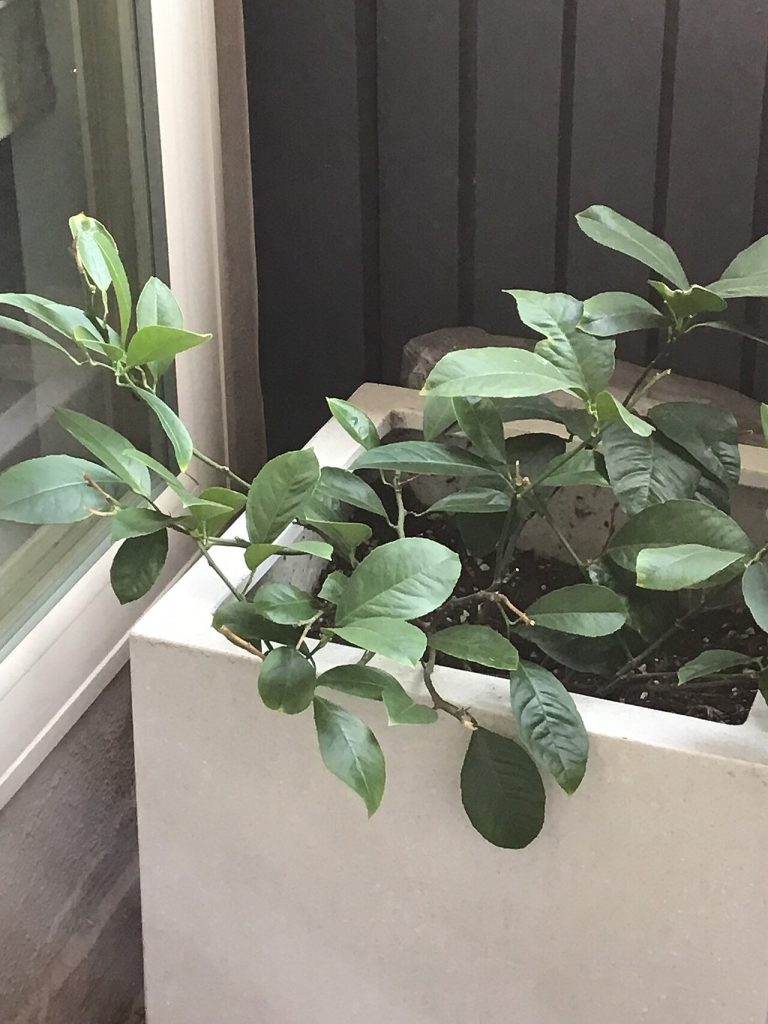
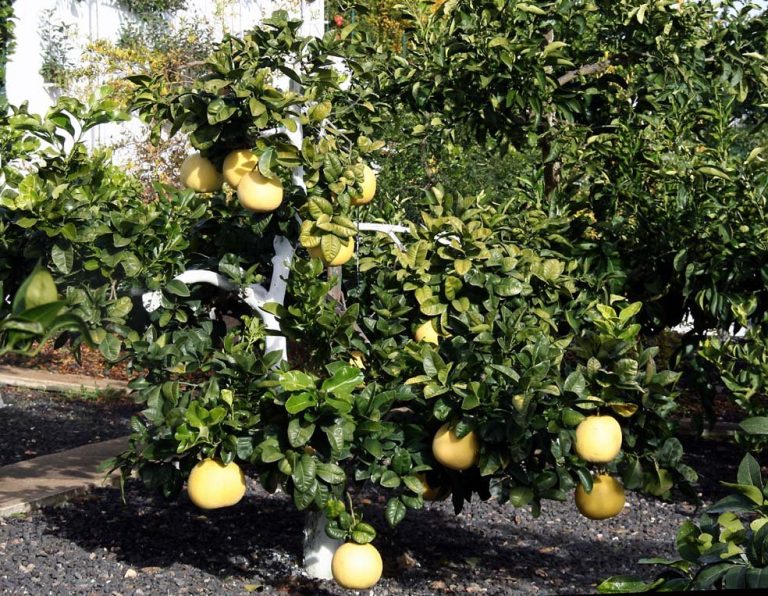
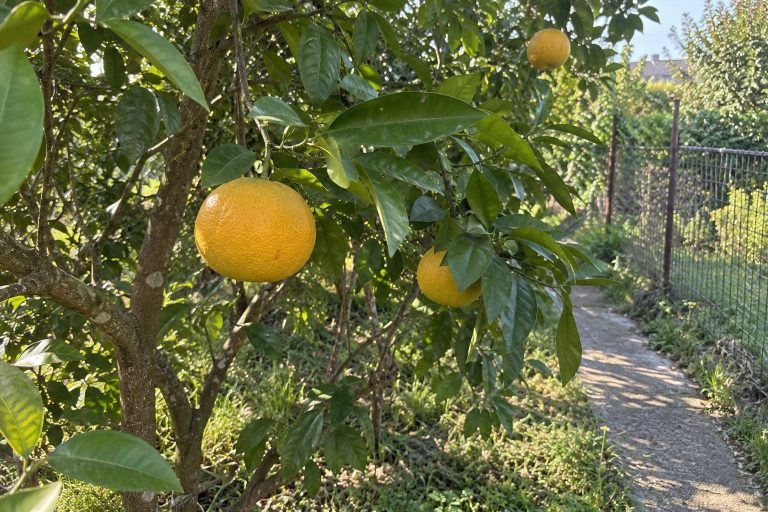
First choose a location capable of providing enough heat during growth. The University of California emphasizes grapefruit’s high heat requirements for good sweetness. A garden where the tree survives may therefore produce overly acidic fruit. In-ground growing provides space; a container makes overwintering easier.
According to UCR, Duncan and Melogold are vigorous. Ask how much space the variety-rootstock combination should occupy. In a container, plan shelter and an access route wide enough to move the tree with its canopy and pot.
References: UCR — Duncan grapefruit, CRC 3832 · UCR — Melogold, CRC 3764 · UC Cooperative Extension — Citrus questions · UC Master Gardeners — Growing Great Citrus · UC Cooperative Extension — Citrus in the Sierra Nevada Foothills
Supporting the development of large fruit
Maintain a regular water supply suited to the soil and container. Water shortage limits fruit development; excess water promotes root problems. Pruning mainly removes rootstock shoots and troublesome branches, while retaining a leafy canopy capable of supporting the crop.
Avoid trying to produce a small tree through repeated cutting back: choose appropriate vigor instead. Watering on a fixed schedule does not suit the differences between in-ground growing, small containers and large containers.
References: UC IPM — Cultural Tips for Growing Citrus · UC Master Gardeners — Growing Great Citrus
Cold: protect the tree and crop separately
Do not apply one selection’s reputation to the entire family. The table mixes grapefruits, pummelos and hybrids. UF/IFAS notes that young trees are more sensitive and that rootstock does not eliminate freeze risk. Fruit still on the tree also needs protection.
UCR describes Hirado Buntan as more cold tolerant than many pummelos, without a guaranteed threshold. Check the selection, its age, acclimation and freeze duration. In containers, plan to move the whole tree to shelter.
References: UCR — Hirado Buntan, CRC 4122 · UF/IFAS — Citrus Cold Protection · UC Cooperative Extension — Citrus in the Sierra Nevada Foothills
Flavor, membranes and the right harvest time
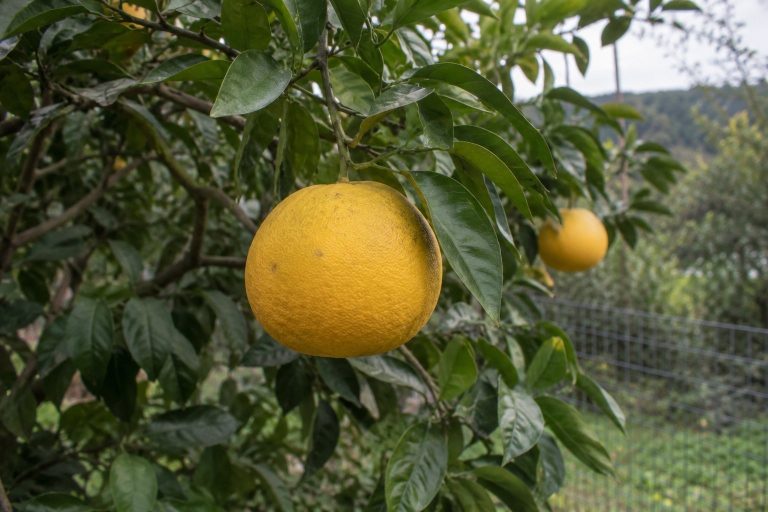
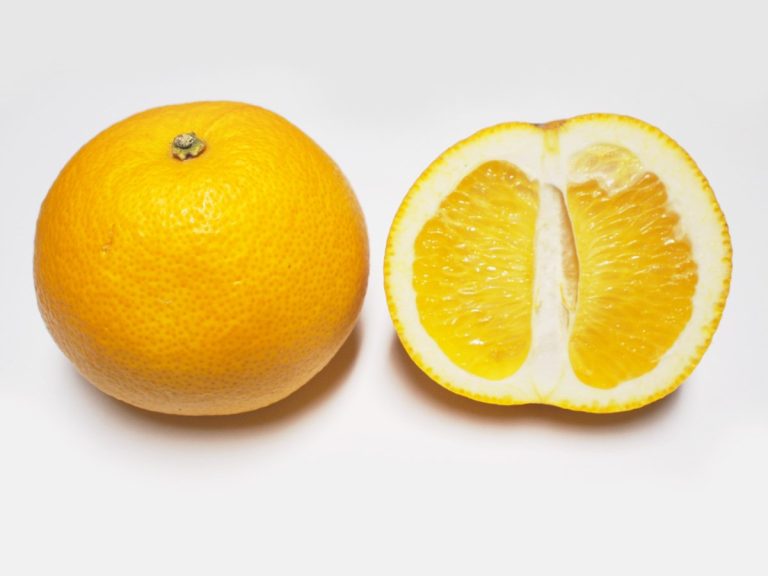
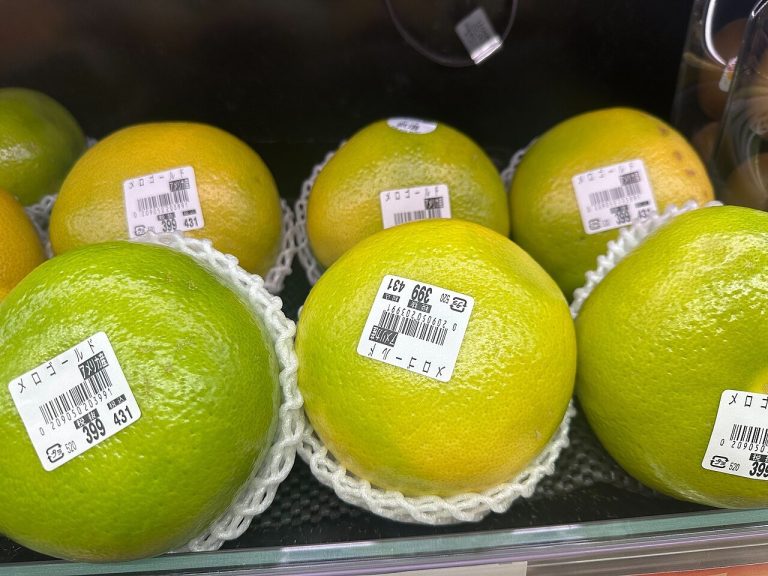
Taste a fruit before a major harvest: external coloration alone does not measure sweetness. Oro Blanco may still have greenish skin when ripe, with sweet flesh and bitter membranes. Melogold offers tender, juicy flesh, but may retain slight bitterness.
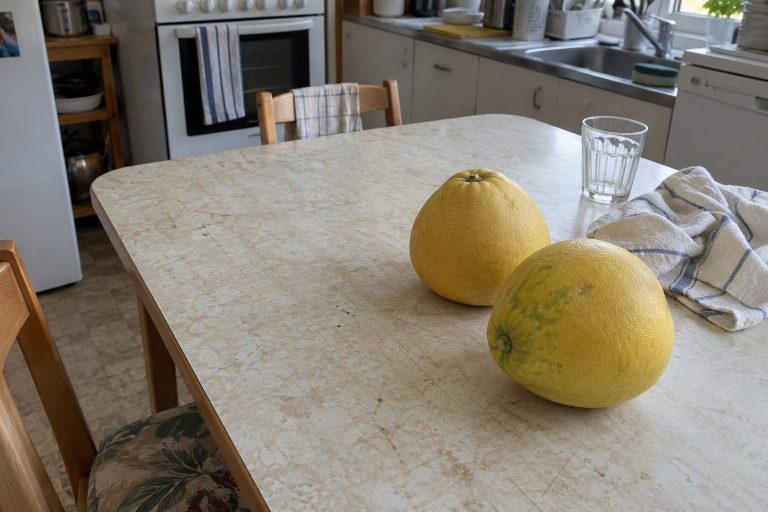
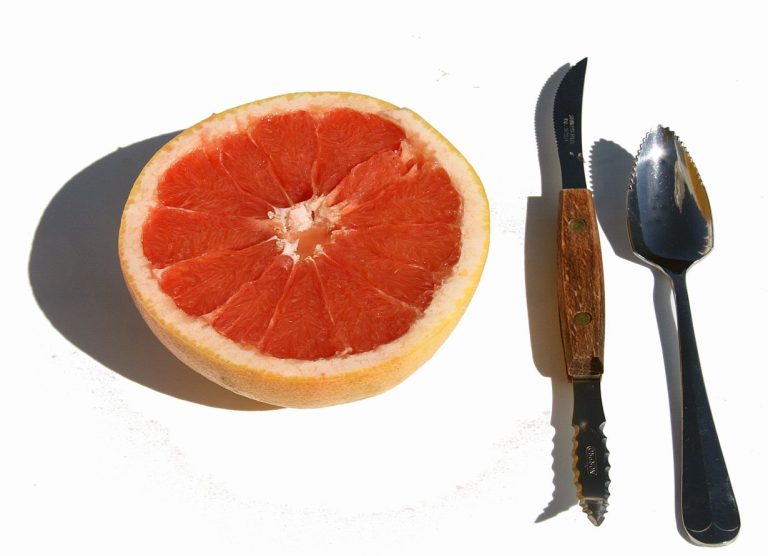
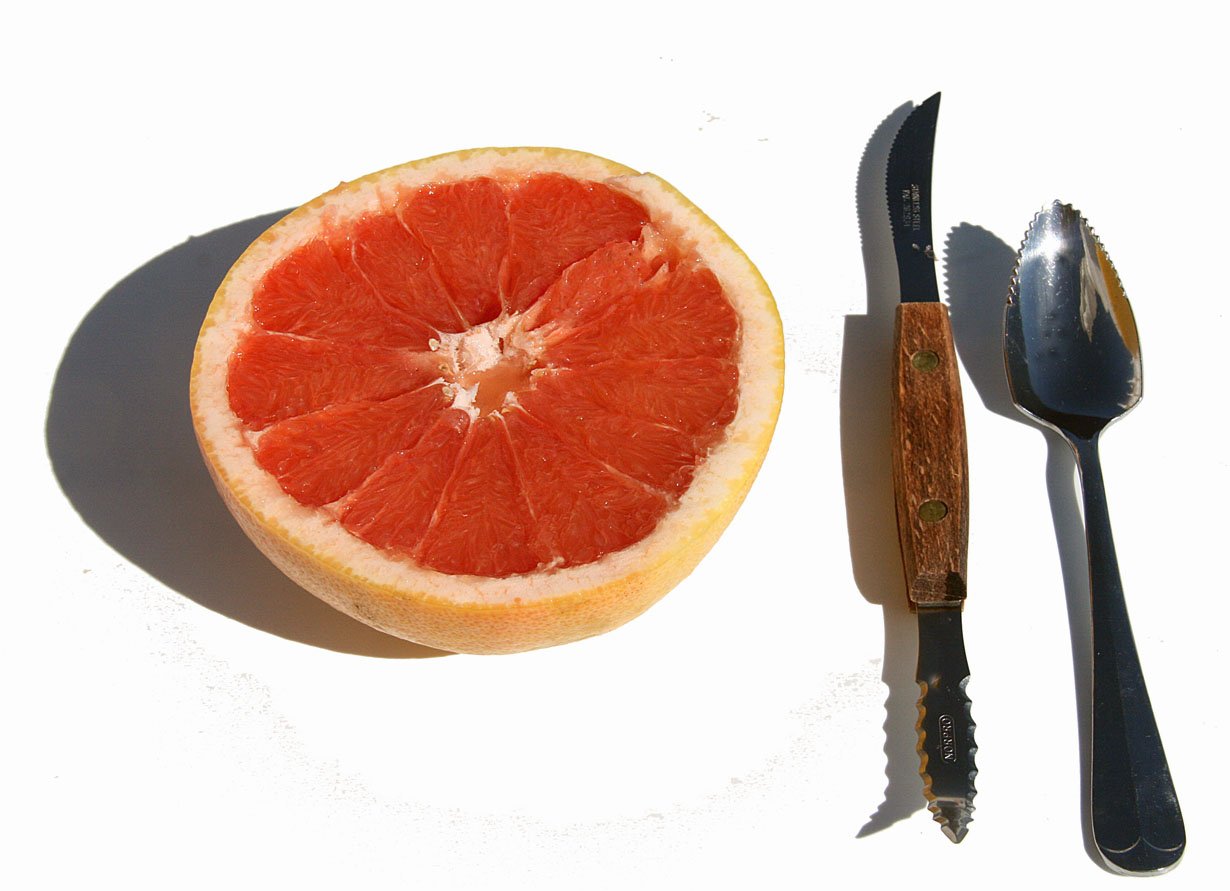
Separate the peel from the segments, then remove the tough membranes to serve the pulp on its own or in a salad. UCR calendars for Riverside and Lindcove describe those Californian sites; check local ripeness before harvesting.
References: UCR — Oroblanco, CRC 3602 · UCR — Melogold, CRC 3764 · UCR — Hirado Buntan, CRC 4122 · UC IPM — Cultural Tips for Growing Citrus
What is the difference between grapefruit and pummelo?
In the botanical distinction used here, pummelo corresponds to Citrus maxima and grapefruit to Citrus × paradisi. INRAE explains that grapefruit comes from hybridization between pummelo and orange. English-language descriptions generally use grapefruit for the latter and pummelo for the former: always check the Latin name.
Oro Blanco and Melogold come from further crosses between pummelo and grapefruit. This broader horticultural family therefore calls for checking the origin of each record before generalizing flavor, season or growing behavior.
References: INRAE — Citrus fruit diversity · INRAE–Cirad — Citrus booklet, pummelos · UCR — Oroblanco, CRC 3602 · UCR — Melogold, CRC 3764
Frequently asked questions about grapefruits and pummelos
Are grapefruit and pummelo the same fruit?
Common names overlap, but the botanical distinction separates Citrus × paradisi, grapefruit, from Citrus maxima, pummelo. The Latin name helps you understand what a record describes.
Which grapefruit should I choose for a sweet flavor?
Oro Blanco and Melogold deserve comparison: UCR describes their flesh as sweet and low in acidity. Their flavor remains linked to ripeness and climate. Oro Blanco’s membranes retain bitterness.
Why does my grapefruit remain very acidic?
Harvest may be too early, and the site’s heat may be insufficient for the variety. Californian observations show this factor’s importance for grapefruit. Compare several fruits and how they develop before concluding that the plant is defective.
Can you grow a pummelo tree on a terrace?
Container growing is possible if space, plant vigor and overwintering arrangements are compatible. Large fruit does not mean a compact tree. Ask for the rootstock to be specified and plan for moving the container.
Can a green grapefruit be ripe?
Yes, depending on the variety. UCR describes Oro Blanco with yellowish-green peel when ripe. Pulp flavor and the selection’s characteristics are more useful than a requirement for entirely yellow skin.
Does Hirado Buntan always have pink flesh?
No. UCR distinguishes a classic type with greenish-yellow flesh from a pink-fleshed seedling selection. Ask which is offered before buying; the name Hirado Buntan alone does not confirm the color.
Sources and method
A documentary synthesis from the encyclopedia, published by Léo, an amateur gardener on the Arcachon Basin, in USDA zone 8b. INRAE and UCR help distinguish species, hybrids and their flavor characteristics. Heat requirements and calendars depend on the growing location. The cited sources are documentary; this page does not report a personal freezing trial.
- INRAE — Citrus fruit diversity
Grapefruit origin through hybridization between pummelo and orange.
- INRAE–Cirad — Citrus booklet, pummelos
Citrus maxima and the English name pummelo; page 8 of the booklet.
- UCR — Duncan grapefruit, CRC 3832
Juicy pale flesh with many seeds, vigor and high heat requirements.
- UCR — Oroblanco, CRC 3602
Parentage, sweet pulp, greenish skin when ripe and bitter membranes.
- UCR — Melogold, CRC 3764
Parentage, vigor, sweet juicy flesh, possible bitterness and Californian observations.
- UCR — Hirado Buntan, CRC 4122
Distinction between the classic type and pink selection, membranes and relative cold tolerance without a guaranteed threshold.
- UC Cooperative Extension — Citrus questions
Heat effects on grapefruit sweetness and ripening; Californian observations.
- UC IPM — Cultural Tips for Growing Citrus
Water and fruit quality, light pruning and limits of coloration as a ripeness indicator.
- UF/IFAS — Citrus Cold Protection
Young tree vulnerability, rootstock and crop protection.
- UC Master Gardeners — Growing Great Citrus
Container citrus growing and uses of sour oranges; Santa Clara, California context.
- UC Cooperative Extension — Citrus in the Sierra Nevada Foothills
Moving containers, age, acclimation, fruit ripening and microclimate; Californian context.