
Cold hardiness
16°F (−9°C)
Identity
OriginUnited States (Texas)
Genetic originInduced mutation of Ruby Red (Citrus paradisi)
USDA zone8b
Cold hardiness16°F (−9°C)
Fruit cold hardiness28°F (−2°C)
GrowthVigorous
Height13 ft (4 m)
HarvestJanuary, February, March, December
SeedsSeedless
UsesFresh eating, Juice
FlavorsSlightly acidic, Sweet, Red fruit notes
History & Description
Origin
Rio Red is a red-fleshed grapefruit variety selected in the 1980s through gamma-radiation mutation induction at Texas A&M University, officially registered in 1984. It comes from Ruby Red, itself a spontaneous mutation of the Foster grapefruit discovered in a Texas orchard in the 1920s. The name Rio refers to the Rio Grande, the river on the border between Texas and Mexico, the cradle region of grapefruit growing in the United States. Texas is today the leading American producer of colored-flesh grapefruit, and Rio Red is its commercial star and the world reference for red grapefruit. This variety is appreciated for its beautiful red color when cut, its relative sweetness, and its near absence of bitterness compared with other classic grapefruits. In Europe, it remains a rare variety sought after by citrus enthusiasts.Tree description
Rio Red forms a medium-sized tree, reaching 10 to 13 ft (3 to 4 m) at maturity, with a rounded, well-structured habit. Its deep green, glossy evergreen foliage is dense and decorative all year long. The spring bloom is white and fragrant. Growth is vigorous in the ground in a sunny spot sheltered from cold winds.Fruit quality
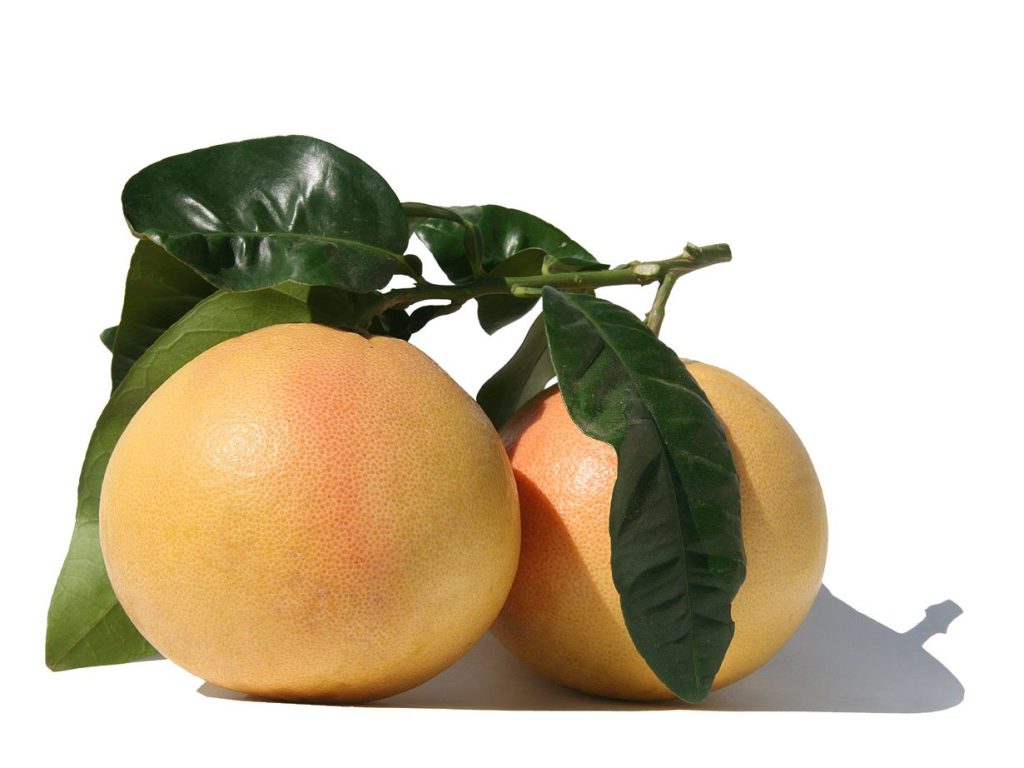
The Rio Red fruit is spherical, 3.1 to 3.5 in (8 to 9 cm) in diameter, with yellow skin lightly tinged with pink at full maturity. The flesh is bright pinkish red, juicy and sweet, with a slight acidity and very little bitterness, which sets it favorably apart from the classic white grapefruit. The lycopene content gives it its characteristic color and its antioxidant qualities. Seeds are rare to absent. The harvest runs from December to March.Flavor and ornamental interest
Rio Red excels as juice, its red flesh giving a visually attractive, nutritious drink rich in antioxidants. As a table fruit, its pleasant sweetness and near-total lack of bitterness make it a citrus accessible to everyone. Its ornamental interest is real thanks to its large two-toned fruit that stay on the tree for several weeks. In hardy zone 8b gardens, it brings an exotic, colorful note appreciated by collectors.
Back to the collection
Updated: