Cold hardiness
14°F (−10°C)
Identity
OriginJapan
Genetic originProbable natural hybrid (Pummelo × Mandarin)
USDA zone8b
Cold hardiness14°F (−10°C)
Fruit cold hardiness27°F (−3°C)
GrowthVigorous
Height13 ft (4 m)
HarvestFebruary, March, April, May, June
SeedsMany
UsesJuice, Preserves, Sweet cooking
FlavorsSour, Bitter, Tart, Mild
History & Description
Origin
Natsudaidai, or 'Natsumikan' (summer mikan), is a historic Japanese citrus, discovered in the 17th century in Yamaguchi Prefecture. For a long time it was the most widely eaten citrus in Japan, before the arrival of modern clementines.Tree description
It is a majestic, very vigorous and wide tree with dense, dark green foliage. It is hardy and adapts well to a variety of climates, quickly forming an imposing specimen in the garden.Fruit quality
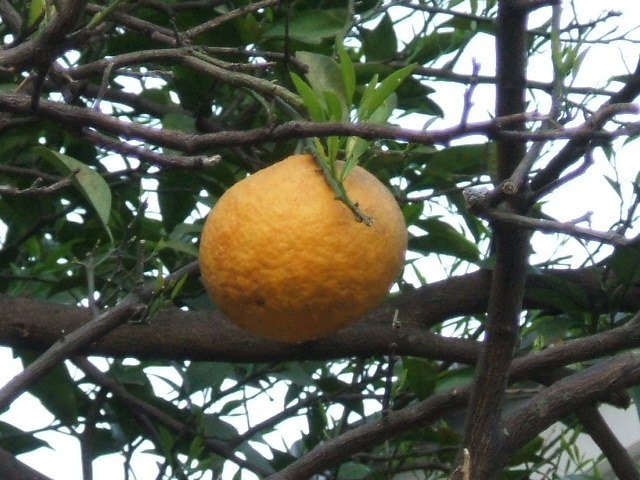
The fruit is large, close to a grapefruit in size, with a thick, orange-yellow rind that is easy to peel. The flesh is firm and very textured.Flavor and ornamental interest
It is harvested late (April to May) or left to ripen on the tree to reduce its natural acidity. The flavor is refreshing: a balance of sharp acidity and sweet mildness, with a slight, noble bitterness. It is often eaten with a little sugar or made into jelly.
Back to the collection
Updated: