Cold hardiness
10°F (−12°C)
Identity
OriginJapan (Tokushima Prefecture)
Genetic originClonal selection of Sudachi obtained from seedlings to eliminate viral diseases, grown by Sébastien B.
USDA zone8a
Cold hardiness10°F (−12°C)
Fruit cold hardiness25°F (−4°C)
GrowthVigorous
Height10 ft (3 m)
HarvestSeptember, October, November
SeedsModerate
UsesJuice, Liqueur, Savory cooking
FlavorsSharp acidity, Tart, Highly aromatic
History & Description
Origin
The Beto Sudachi is a modern clonal selection of the traditional Sudachi (Citrus sudachi), the emblematic aromatic citrus of Tokushima Prefecture on the island of Shikoku, where it has been grown for over 300 years as an essential condiment of Japanese cooking. The Sudachi itself is considered an old natural hybrid between the Yuzu (Citrus junos) and a wild mandarin, traditionally harvested still green for its tart juice and intensely fragrant zest used in ponzu sauces, fish dishes, and dashi broths. The "Beto" variety is a selection obtained by Sébastien B. (Pépinière du Bosc) from seedlings rigorously selected to eliminate the latent viral diseases that sometimes weaken traditional mother plants, thus preserving the full original aromatic quality of the Sudachi while offering healthy, vigorous plant material. This sanitation approach, common in modern variety selection in Japan, guarantees European collectors a productive, resistant tree true to the historic type.Tree description
The Beto Sudachi forms a compact, dense tree of 6.5 to 10 ft (2 to 3 m) at maturity, with a tight bushy habit, perfectly suited to small gardens or container growing. Its evergreen foliage is a glossy dark green, and its twigs carry the small thorns characteristic of the Yuzu-Sudachi group. The fragrant white spring blossom is abundant, and the tree proves very productive once established. Its hardiness, documented down to 10°F (−12°C), inherited from the Yuzu line, makes it one of the sudachis best suited to the continental temperate climates of France.Fruit quality
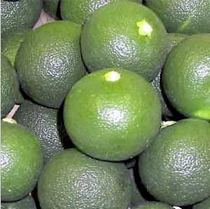
The fruits, small and round (1.2 to 1.6 in, or 30 to 40 mm, in diameter), are traditionally harvested green in late summer or early fall for their sharp acidity and maximum aromas, or later at full maturity (turning yellow) for milder flavors. The juice, abundant and with a straightforward acidity, develops complex aromas evoking both lime and yuzu, with a deep floral dimension. The zest, particularly powerful, concentrates the characteristic aromatic essence of Sudachi.Flavor and ornamental interest
Essential in authentic Japanese cooking, the Beto Sudachi immediately transforms the quality of a vinaigrette, a homemade ponzu sauce, a dish of raw or grilled fish, or a noodle soup, bringing a tart, fragrant, intensely umami note that few citrus can rival. In mixology, it goes into refined cocktails; in liqueur making, its small whole fruits can be infused to produce a delicate sudachi-shu. As an ornamental, its compact habit, fragrant blossom, and small green-yellow fruits persisting a few weeks in fall make it a perfect subject for a vegetable garden border or a culinary-interest planting in a small garden.
Back to the collection
Updated: