8a

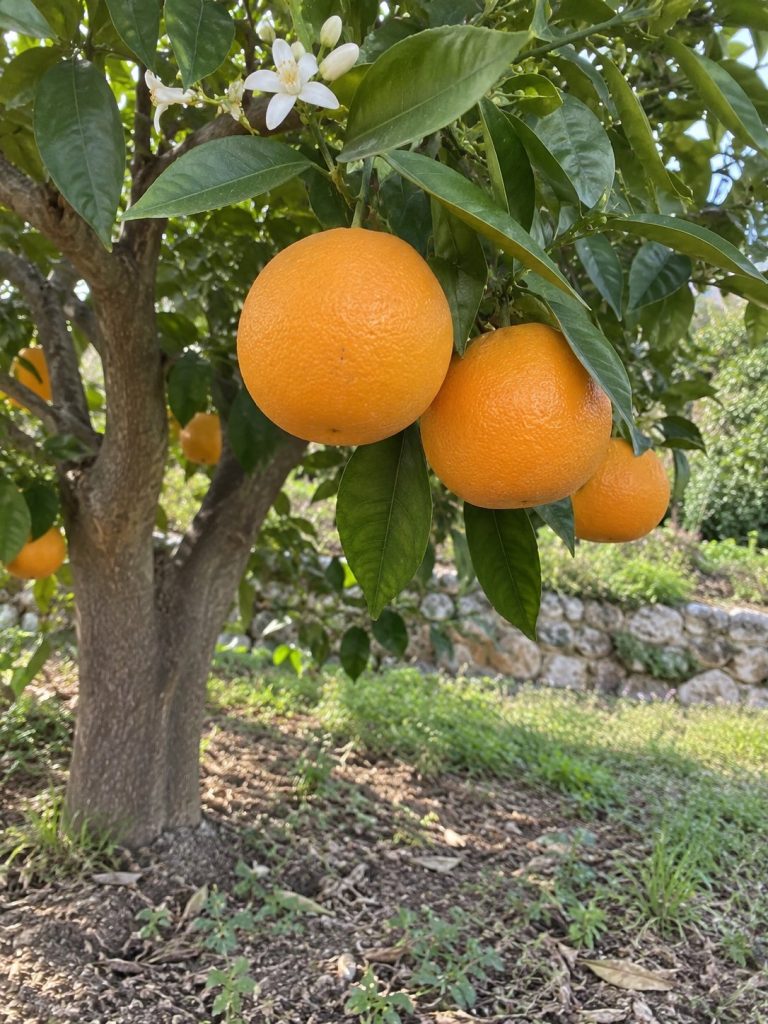
Illustration of Hamlin orange with fruit and foliage in a garden or harvest setting.

Hamlin Orange

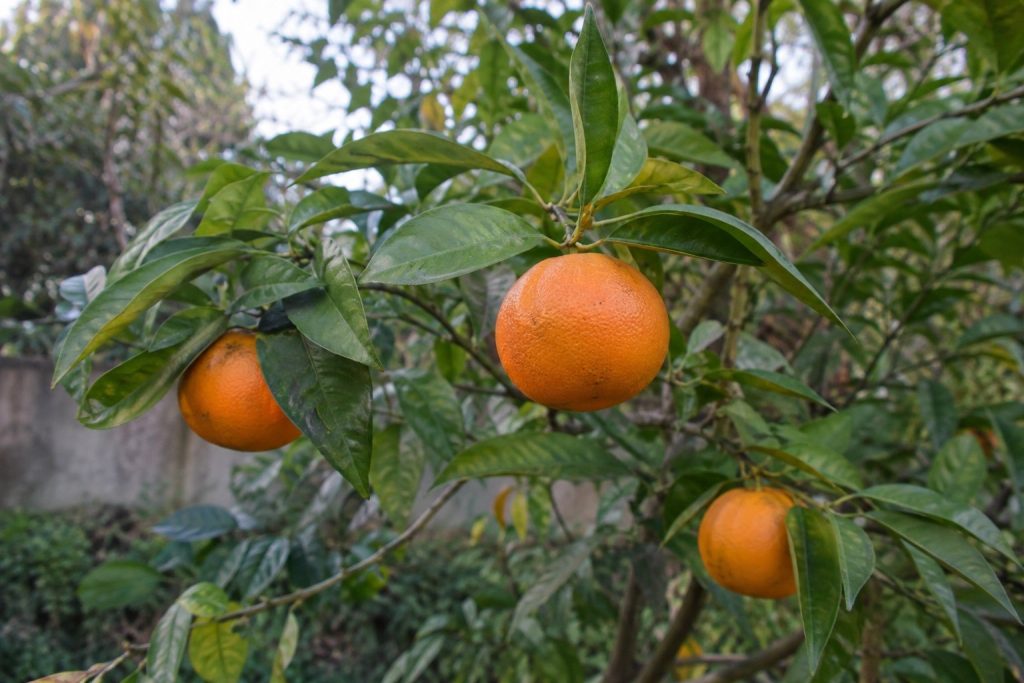
Hamlin orange (Citrus sinensis ‘Hamlin’) is a Florida selection from a chance seedling, whose parents remain unknown. Early, it produces round, non-navel oranges with thin skin and sweet, low-acid pulp. Seeds are generally rare and juice is its main use, with fresh eating also possible. Quissac reports maturity in November and December in France, and states that the fruits can drop once ripe. The 14°F (−10°C) is a commercial reference for its material on FA5, without a guarantee during a prolonged freeze. The 13 ft (4 m) height rounds up the 12 ft (3.7 m) announced by SiteOne; development will depend on rootstock and training. The USDA 8a classification comes expressly from SiteOne for Hamlin; it is an optimistic commercial indication, distinct from the generic reference of NC State. Prefer sun, drainage, and regular monitoring of ripeness.
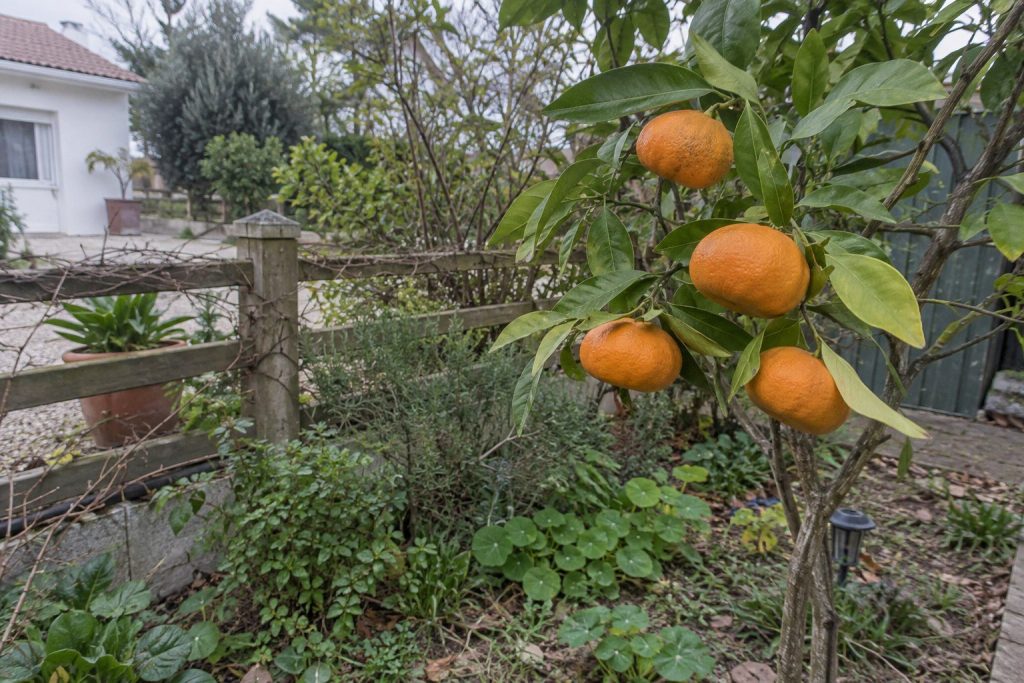
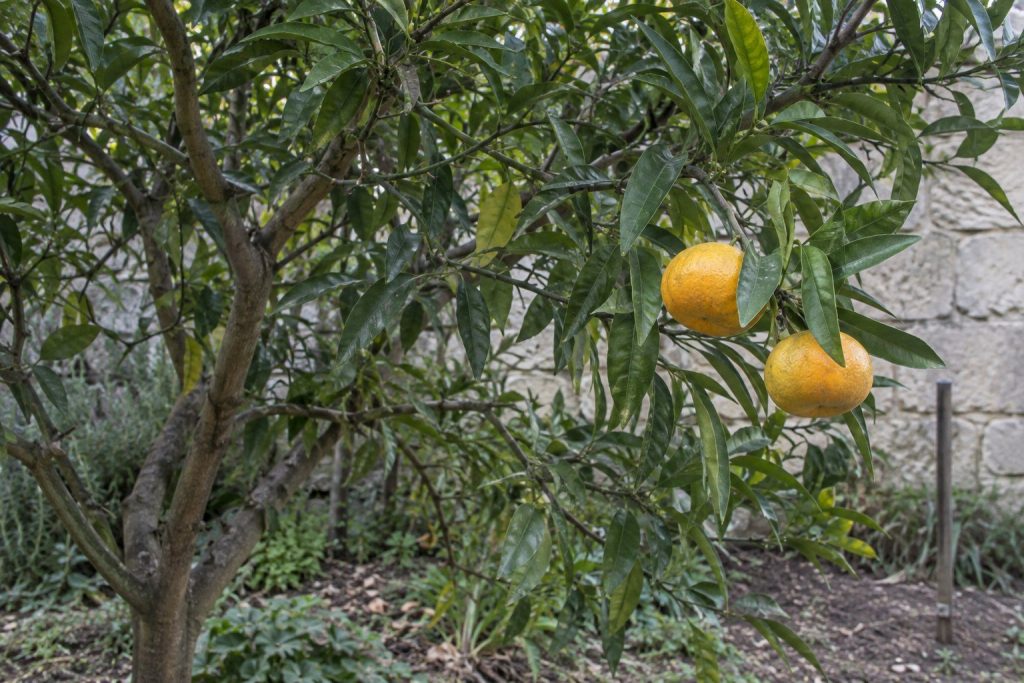
Orange citrus fruit among leaves beside a garden fence

Brown’s Select Satsuma Mandarin

Brown’s Select satsuma (Citrus unshiu ‘Brown’s Select’) is a Louisiana selection from an open-pollinated Kimbrough seedling. Retained after the 1983 freeze, it is named for Ralph Brown. Its medium to large mandarins peel easily and offer orange, sweet-tart flesh, generally with few seeds. In Louisiana they ripen from mid-October to early November; Quissac describes eating through Christmas in France. The tree is vigorous, spreading, and evergreen, with a rounded commercial height reference of 16 ft (5 m) depending on the rootstock and pruning. The 14°F (−10°C) reference matches UF/IFAS observations on acclimated trees, without guaranteeing behavior during a prolonged freeze. Just Fruits and Exotics explicitly places this cultivar in USDA zone 8a. The fruits suit fresh segments and juice. Favor sun, drainage, and wind shelter; protect young plants and pick before a damaging freeze.

Orange citrus fruit hanging among narrow leaves

Sanford Curafora

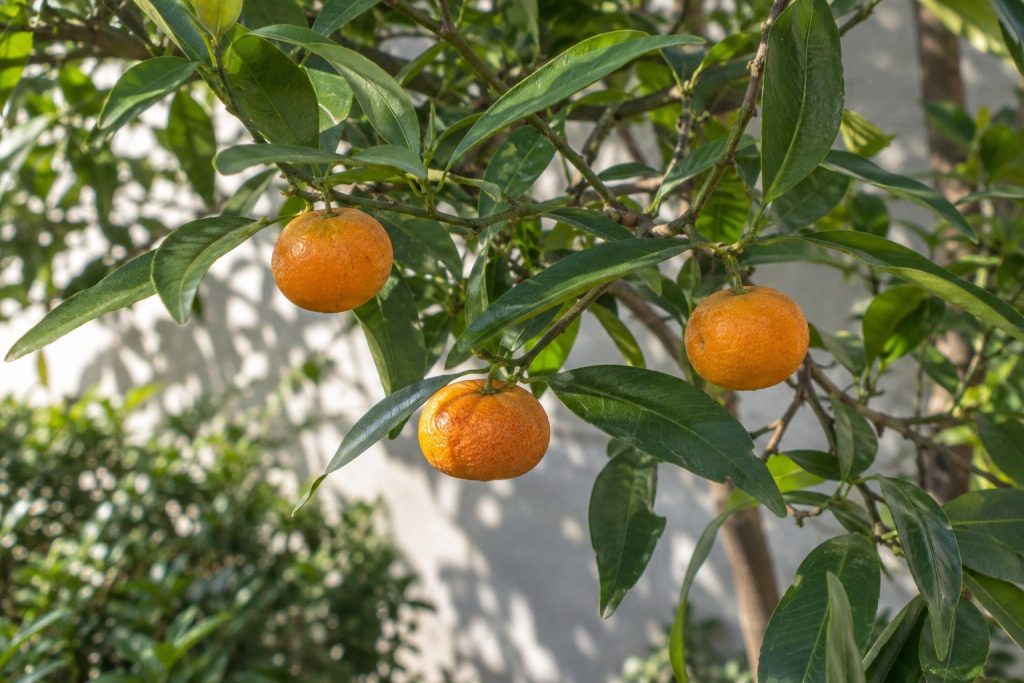
Sanford Curafora (Citroncirus ‘Sanford Curafora’) is a contemporary hybrid selected in Switzerland by Dr. Edwin Frey, from the open pollination of Sanford Citrange (Poncirus trifoliata x Sanford orange), probably by a mandarin or clementine. This selection effort in the European alpine climate represents an original path in the search for hardy citrus with edible fruit. Its hardiness reaches 10°F (−12°C) once the tree is established, making it suitable for in-ground growing up to USDA zone 8a. The moderately vigorous tree reaches 7 to 10 ft (2 to 3 m) with fine, dark green, glossy evergreen foliage, reminiscent of a mandarin’s, with a few occasional trifoliate leaves inherited from Poncirus. Its mandarin-sized fruits, weighing 2.5 to 3.5 oz (70 to 100 g), with light orange, easy-to-peel skin, offer juicy, sweet flesh with a slight residual bitterness. Excellent as fresh fruit and jam. Grafted onto Poncirus trifoliata, against a south-facing wall.

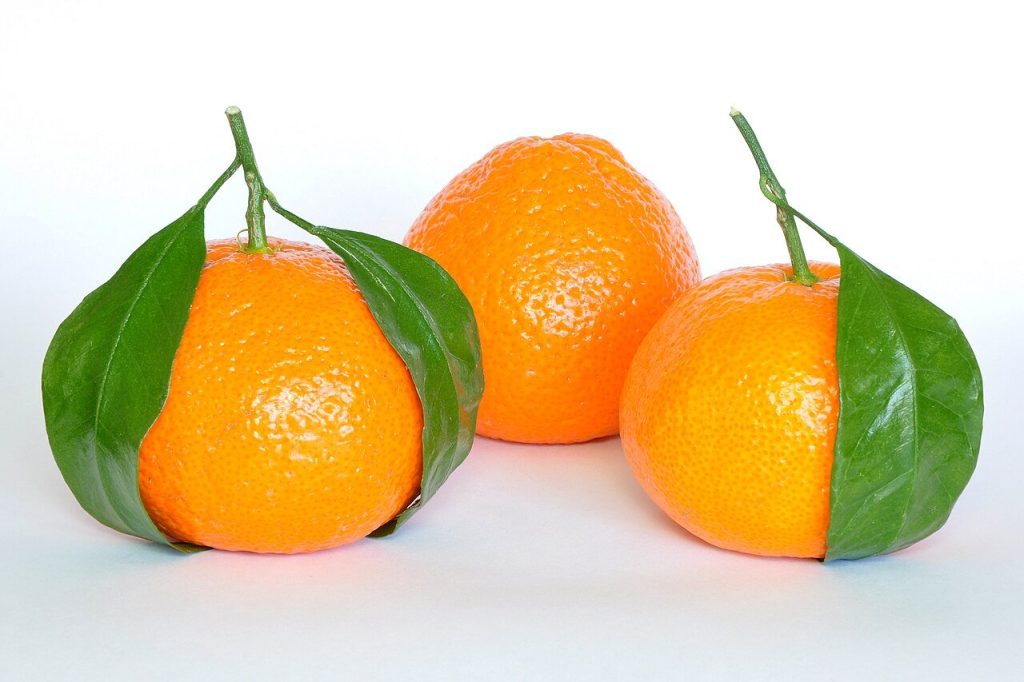
Three orange citrus fruit with attached leaves on a pale background

Changsha Mandarin

The Changsha Mandarin (Citrus reticulata ‘Changsha’) is one of the hardiest mandarins in the world, withstanding down to 10°F (−12°C) on the tree. Native to the Hunan region of central China, where it has grown for more than a thousand years, it served as the genetic base of many modern hardy hybrids developed in the twentieth century. The vigorous tree grows 10 to 13 ft (3 to 4 m) tall with an upright habit and evergreen foliage. Its bright orange, small fruits (2.1 to 2.8 oz, or 60 to 80 g), with easy-to-peel skin, ripen in November and December and offer juicy flesh with a sweet taste punctuated by delicate floral notes. Many seeds in the classic form, hardier than aromatic. Excellent in fresh juice and in cooking. Grafted onto Poncirus trifoliata, it is rated USDA zone 8a by Biggio and Londeix; growing it in 7b remains a borderline attempt in a very sheltered situation, notably described by Woodlanders in the United States. A sentimental choice for the gardener who wants to link Chinese tradition and a French-speaking garden.

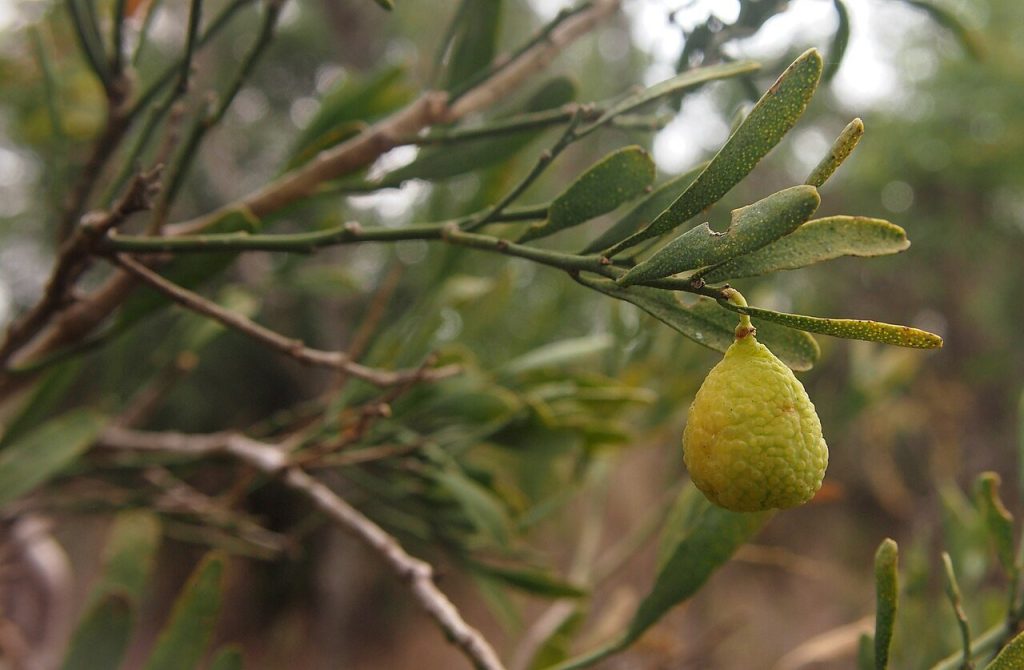
A green citrus fruit on a branch with narrow leaves

Eremorange 2

The Eremorange 2 (Citrus glauca × Eremorange) is an Australian double hybrid combining the desert lime (Eremocitrus glauca) with an earlier Eremorange, to push further the combined resistance to cold and drought. Its hardiness reaches 10°F (−12°C) on the tree, making it suitable for planting in the ground in USDA zone 8a. The tree grows 7 to 10 ft (2 to 3 m) tall with a spreading habit, almost exotic silvery foliage recalling an olive tree, a trait inherited from the desert parent, and discreet white flowers. Its small, light orange fruits, with thin skin, ripen in fall and winter with juicy flesh and an original tart taste blending orange and lemony-brackish notes from the Australian parent. Very ornamental, particularly suited to dry Mediterranean and continental gardens. Exceptional tolerance of summer drought. Graft onto Poncirus trifoliata, perfectly drained soil, full sun exposure.

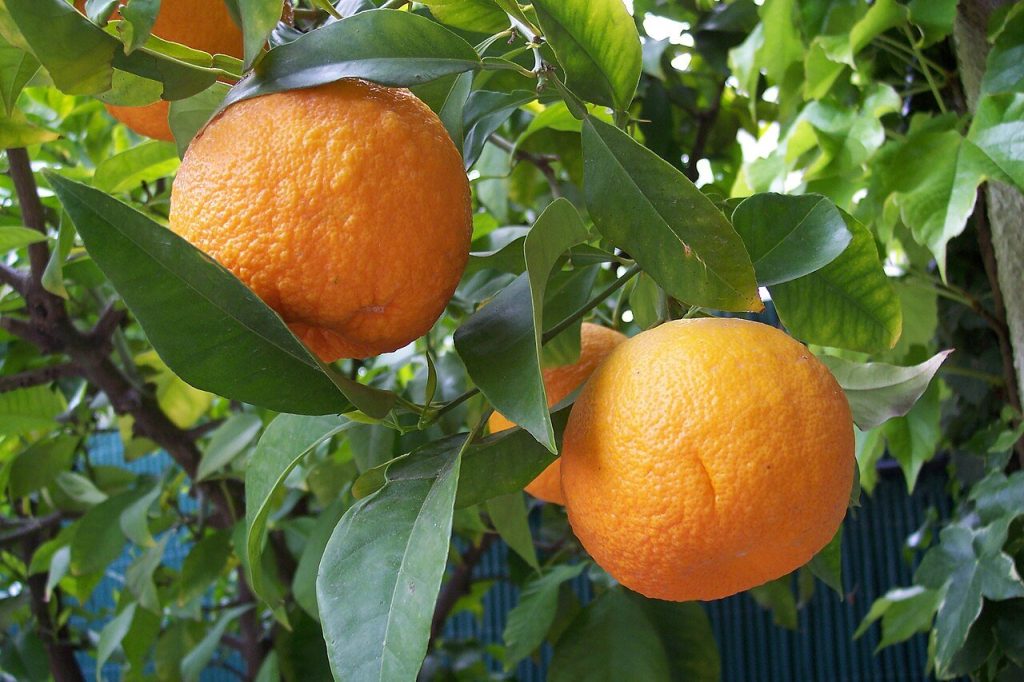
Two orange citrus fruit among glossy leaves

Australian Bitter Orange

The Australian Bitter Orange (Citrus aurantium ‘Australian’) is a complex hybrid combining the classic bitter orange with Citrus taiwanica, pummelo and mandarin parents, selected to combine the hardiness of the bitter orange with the aromatic richness of Eastern citrus. Its hardiness reaches 10°F (−12°C) on the tree, making it suitable for planting in the ground in USDA zone 8a. The vigorous tree grows 10 to 13 ft (3 to 4 m) tall with a rounded, thorny habit, aromatic evergreen foliage and very fragrant white flowers in spring. Its bitter orange, medium-sized fruits, with thick, rough skin, ripen in winter and concentrate a frank bitterness tempered by complex floral notes. Excellent in marmalade, jam, candied peel and liqueur (Curaçao and Grand Marnier types). Graft onto Poncirus trifoliata for hardiness, plant against a south-facing wall, in well-drained soil. Harvest in January to March.

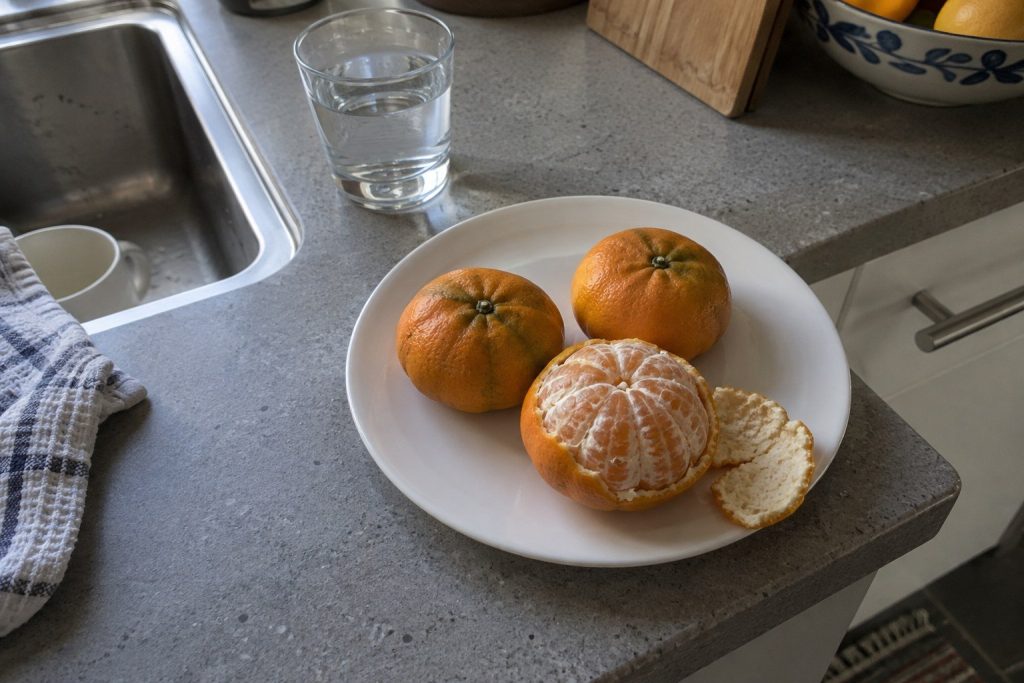
Whole and peeled orange citrus fruit on a kitchen plate

Planellina Satsuma

The Planellina Satsuma (Citrus unshiu ‘Planellina Wase’) is an early satsuma selection originating in Spain, chosen for its flavor quality and early harvest. Its hardiness reaches 10°F (−12°C) on the tree, among the hardiest satsumas, making it suitable for planting in the ground in USDA zone 8a. The tree grows 7 to 10 ft (2 to 3 m) tall with the spreading, weeping habit characteristic of satsumas, evergreen foliage and fragrant white flowers in spring. Its bright orange, medium-sized fruits (3.5 to 5.3 oz, or 100 to 150 g), seedless, with thin, very easy-to-peel skin, are harvested from September for juice, then in October as eating fruit, according to Quissac, with particularly juicy, sweet, low-acid flesh. Excellent fresh, as juice and in sorbet. Ideal for anyone who wants an early-harvest mandarin before the first severe frosts. Graft onto Poncirus trifoliata, plant against a south-southwest-facing wall.

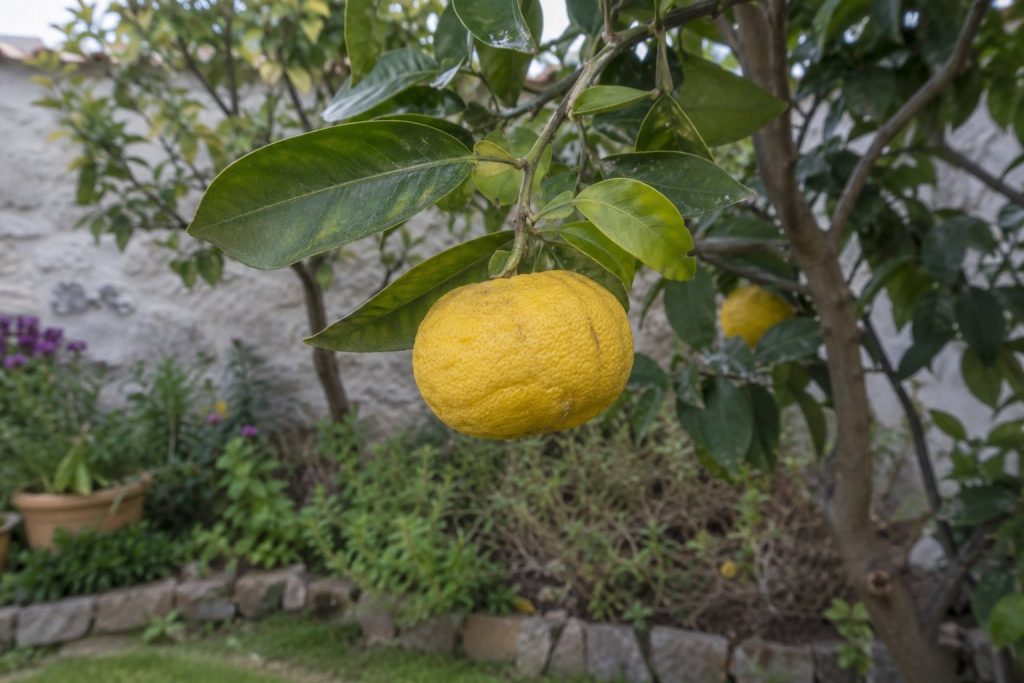
A rough yellow citrus fruit hanging on a branch

Kotokan

The Kotokan (Citrus × kotokan Hayata) is a rare wild citrus native to Taiwan and southern Japan, classed as an ancient species that served as a parent to several modern hybrids. Its hardiness reaches 14°F (−10°C) on the tree, making it suitable for planting in the ground in USDA zone 8a. The tree grows 7 to 13 ft (2 to 4 m) tall with a compact rounded habit, aromatic evergreen foliage and fragrant white flowers. Its yellow-orange, round fruits, 2 to 2.8 in (5 to 7 cm) across, with thick, bumpy skin, ripen in fall and winter and offer a very sour, fragrant juice with unique notes recalling a blend of lemon, sudachi and wild mandarin. A few seeds. Used mostly in traditional Asian cooking and by collectors of old citrus. Graft onto Poncirus trifoliata, plant against a south-facing wall, in well-drained soil.

Orange citrus fruit hanging among garden leaves

Nuclem Clementine

The Nuclem Clementine (Citrus unshiu × Citrus clementina ‘Nuclem’) is a modern hybrid between the satsuma and the clementine, created to combine superior hardiness with the flavor quality of the clementine. Its hardiness reaches 14°F (−10°C) on the tree, making it suitable for planting in the ground in USDA zones 8a to 8b. The tree grows 7 to 13 ft (2 to 4 m) tall with a rounded habit, evergreen foliage and fragrant white flowers in spring. Its bright orange, small fruits (1.8 to 2.1 oz, or 50 to 60 g), with thin, very easy-to-peel skin and a few seeds, ripen in December and January with juicy, sweet, low-acid, fragrant flesh, a flavor quality superior to the classic satsuma. Excellent fresh, as juice and in sorbet. Ideal for anyone who wants a clementine in a temperate climate that is less Mediterranean. Graft onto Poncirus trifoliata, plant against a south-facing wall, in well-drained soil.

Small orange citrus fruit hanging among leaves

Shiva Mikan Koji Mandarin

The Shiva Mikan Koji mandarin (Citrus leiocarpa ‘Yatsushiro Koji’) is a Japanese selection of the classic Shiva Mikan from the Yatsushiro region, chosen for its distinctive aroma and improved flavor quality. Its hardiness reaches 12°F (−11°C) on the tree, making it suitable for planting in the ground in USDA zone 8a. The tree grows 7 to 13 ft (2 to 4 m) tall with a rounded habit, aromatic evergreen foliage and very fragrant white flowers. Its yellow-orange, small fruits (2 to 2.8 in, or 5 to 7 cm), with thin skin, ripen in fall and offer a very fragrant, tart juice with complex notes blending Japanese wild mandarin and delicate floral accents. Several seeds. Appreciated in traditional Japanese cooking (seasonings, rice flavoring) and in jam. A rare variety for collectors. Graft onto Poncirus trifoliata, plant against a south-facing wall.

Scroll to Top