Cold hardiness
14°F (−10°C)
Identity
OriginUnited States
Genetic originHybrid of Satsuma Unshiu × Clementine
USDA zone8a
Cold hardiness14°F (−10°C)
Fruit cold hardiness27°F (−3°C)
GrowthVigorous
Height13 ft (4 m)
HarvestJanuary, November, December
SeedsFew
UsesFresh eating, Juice
FlavorsBalanced, Highly aromatic
History & Description
Origin
The Nuclem Clementine is an American hybrid from a cross between the Satsuma Unshiu, a Japanese mandarin tree famous for its legendary hardiness, and the Clementine, a Mediterranean mandarin of great flavor quality. This cross was developed in the United States to obtain a clementine able to withstand the cold winters of California and Texas while keeping the aromatic profile typical of clementines. The name Nuclem, a contraction of "new clementine," underlines its identity as a clementine modernized by the addition of satsuma. Distributed in France by specialist nurseries such as Vessières, it remains a rare variety, appreciated by collectors for its double geographic heritage. It embodies the successful marriage of Japanese hardiness and Mediterranean flavor sophistication.Tree description
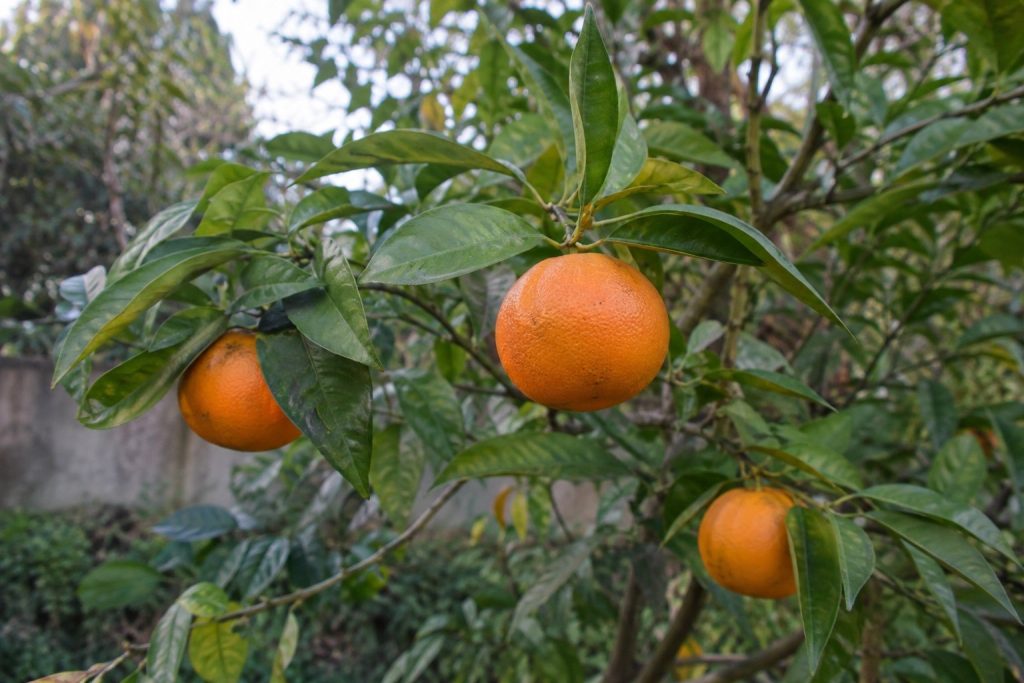
The tree is vigorous and productive, reaching about 13 ft (4 m) tall at maturity, with dense, evergreen, lanceolate foliage in a light green shade characteristic of its satsuma heritage. The abundant, fragrant white spring bloom is followed by regular fruiting that spreads over several weeks. Growth is steady, with early fruiting as soon as the second or third year. The semi-upright habit is well balanced for growing in the ground or in a container.Fruit quality
The fruit is a small orange clementine of 1.8 to 2.1 oz (50 to 60 g), with thin skin that peels easily. The flesh is bright orange, very aromatic and juicy, with a few seeds. The taste offers a fine sugar-acid balance that gradually softens over several weeks of ripening on the tree. The fragrance combines the tart freshness of the clementine with the typical sweetness of the satsuma, creating a flavor complexity superior to both parents.Flavor and ornamental interest
A high-quality fruit for eating out of hand, to be enjoyed fresh between November and January to take advantage of its flavor evolution. Its clear, fragrant juice suits cold drinks and sorbets. Its hardiness at 14°F (−10°C) allows planting in the ground in zone 8a, extending the growing of clementine trees to regions traditionally too cold for this group. As an ornamental, the tree loaded with small orange clementines in early winter offers a warm spectacle in the garden.
Back to the collection
Updated: