Cold hardiness
14°F (−10°C)
Identity
OriginTaiwan (Taichung region) and Japan
Genetic originComplex pummelo hybrid probably crossed with papeda
USDA zone8a
Cold hardiness14°F (−10°C)
Fruit cold hardiness27°F (−3°C)
GrowthVigorous
Height13 ft (4 m)
HarvestJanuary, February, March, December
SeedsFew
UsesJuice, Savory cooking
FlavorsSlightly acidic, Highly aromatic
History & Description
Origin
The Kotokan, Citrus × kotokan Hayata by its botanical name, is a rare citrus native to Taiwan, traditionally grown on a small scale in the home gardens of villages near Taichung. It was introduced to Japan, where it is used as a rootstock for its vigor and its compatibility with other citrus. Its complex genetics, partly elucidated, suggest a hybrid between a pummelo and a papeda or hardy mandarin, hence its cold resistance far superior to typical tropical citrus. Japanese enthusiasts consider it one of those "secrets" of the classic collection, a variety for connoisseurs that does not try to compete with commercial mandarins. Its appearance at Vessières in France illustrates the diversity of hardy Asian citrus accessible to demanding French collectors.Tree description
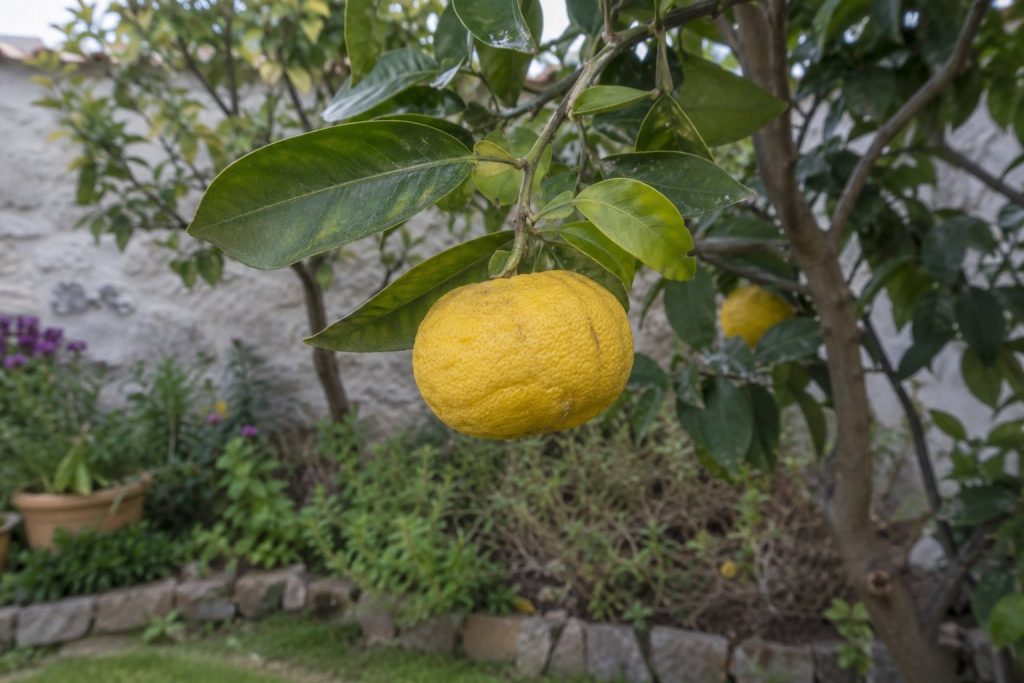
The tree is vigorous and extremely productive, with an elegant semi-weeping habit, reaching 13 ft (4 m) tall at maturity. The evergreen foliage is dark green with medium-sized leaves inherited from the pummelo parent. The spring bloom is abundant and fragrant. Productivity is remarkable, with widespread fruiting that bends the branches. Growth is steady on young plants.Fruit quality
The fruit is flattened and medium-sized, with bumpy yellow skin at maturity, very decorative. The orange flesh contains few seeds and offers a flavor recalling old-fashioned, lightly sweetened lemonade, a mild, fragrant acidity that recalls both lemon and grapefruit. The zest is very aromatic, a probable legacy of the papeda parent. The long ripening period, from December to March, allows the tasting to be spread out.Flavor and ornamental interest
The Kotokan excels in Japanese-style cooking: raw fish carpaccios, shirashi, light marinades, citrus salads. Its tart, fragrant juice advantageously replaces lemon in refined preparations. As an ornamental, its weeping habit and the beauty of its bumpy yellow fruits make it a remarkable specimen on its own or in a large patio container. Its hardiness at 14°F (−10°C), combined with its very decorative look, makes it an exceptional citrus for zone 8a collections and for lovers of authentic Asian cooking.
Back to the collection
Updated: