Cold hardiness
12°F (−11°C)
Identity
OriginJapan (Yatsushiro region, Kyushu)
Genetic originJapanese selection of Citrus leiocarpa, a white mandarin with smooth skin
USDA zone8a
Cold hardiness12°F (−11°C)
Fruit cold hardiness27°F (−3°C)
GrowthModerate
Height13 ft (4 m)
HarvestNovember, December
SeedsFew
UsesFresh eating
FlavorsVery sweet, Highly aromatic
History & Description
Origin
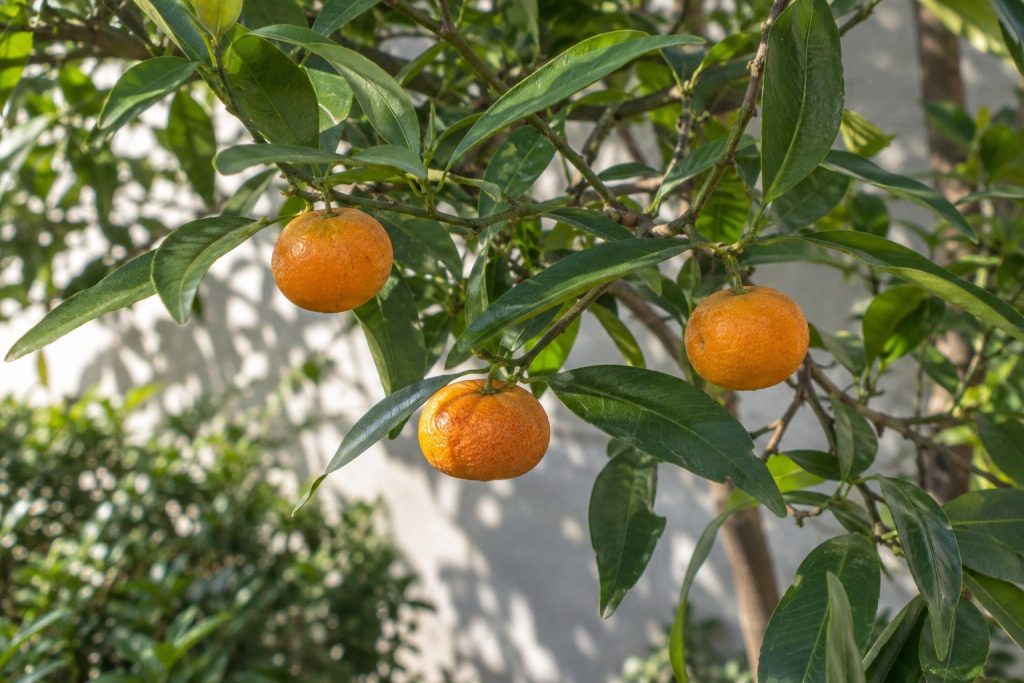
The Shiva Mikan Koji mandarin is a Japanese selection from Citrus leiocarpa, a species called "white mandarin" in reference to its extremely smooth skin. Native to the shores of Kyushu and more precisely to the Yatsushiro region, it is one of the hardiest mandarins in the world, alongside the Unshiu satsuma and the Cleopatra. The term Koji historically designates a line selected in traditional Japanese gardens for its sweetness of flavor and regular fruiting. This Shiva Mikan Koji variety combines the extreme earliness of the classic Shiva Mikan with reduced alternate bearing, the fruit of local selection work. It is grown as far as the shores of the Black Sea in the Caucasus, a testimony to its remarkable adaptation to temperate-cold climates.Tree description
A moderately vigorous tree reaching 13 ft (4 m) tall at maturity, with an elongated habit characteristic of leiocarpa. The evergreen foliage is dense and bright green, finer than that of other mandarin trees. The white spring bloom is fragrant and leads to fruiting in clusters at the ends of the branches, a much-appreciated visual feature. Alternate bearing, often pronounced in the classic Shiva Mikan, is notably reduced in this Koji selection.Fruit quality
The fruits are small, almost round mandarins weighing 1.1 to 1.4 oz (30 to 40 g), with very smooth, bright orange skin. The flesh is extremely sweet and juicy, with excellent flavor quality and only a few seeds. The fruit peels very easily, revealing a tender pulp with complex aromas. It is an ideal fruit for children thanks to its small size, its sweetness and its ease of eating.Flavor and ornamental interest
A table mandarin of exceptional quality, to be enjoyed fresh between November and December. Its small size and very sweet flavor make it a pick-and-eat fruit for all ages. As an ornamental, the sight of the tree covered in clusters of mini orange mandarins in late fall is spectacular. Its hardiness at 12°F (−11°C) allows planting in the ground in zone 8a, a sensible choice for anyone who wants a rare, authentic Japanese mandarin in the garden.
Back to the collection
Updated: