Cold hardiness
14°F (−10°C)
Identity
OriginFlorida, United States
Genetic originChance seedling in an orchard near Glenwood; parents not identified
USDA zone8a
Cold hardiness14°F (−10°C)
GrowthModerate
Height13 ft (4 m)
HarvestNovember, December
SeedsFew
UsesFresh eating, Juice
FlavorsSweet, Slightly acidic
History & Description
Origin
Hamlin is an American sweet orange from a chance seedling in an orchard near Glenwood, Florida. The planting dates from 1879; this date should not be confused with that of the recognition of the cultivar, named afterward for A. G. Hamlin. Its parents remain unknown. The Riverside collection traces its spread after the great Florida freezes of 1894-1895 and describes it as a particularly early orange. This history explains its horticultural interest, without constituting by itself a measure of frost resistance.Tree description
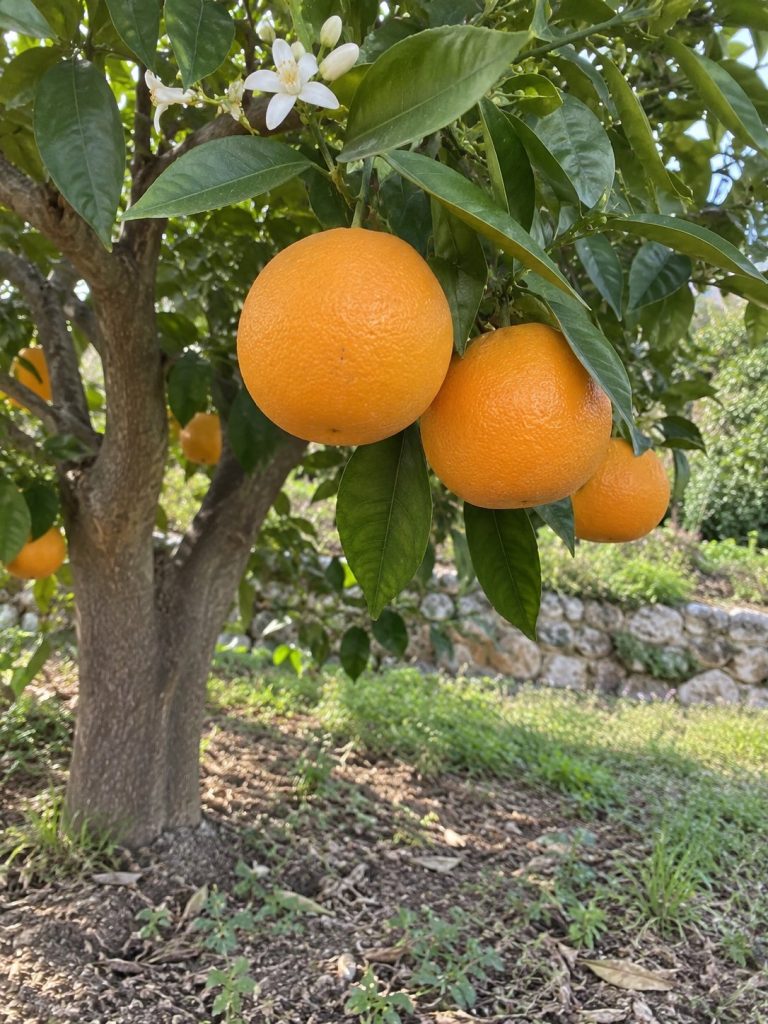
The foliage is evergreen, green, with simple leaves; the white flowers appear in spring. SiteOne reports moderate growth and a height of up to 12 ft (3.7 m), rounded up to 13 ft (4 m). This figure concerns its commercial material and varies with training and rootstock. Quissac describes its plants on FA5 as fairly vigorous. The reference of 14°F (−10°C) retained is the announcement of this French grower, with no associated trial protocol. For the gardener, age, acclimation, and the duration of the freeze matter as much as this figure. USDA zone 8a is explicitly attributed to Hamlin by SiteOne. This optimistic commercial classification does not demonstrate success without protection in every garden; NC State more cautiously classifies the sweet orange from 9a, at the taxon level.Fruit quality
The oranges are round, with fairly thin, lightly dotted, light orange skin, and lack the navel characteristic of navel oranges. The pulp provides a sweet, low-acid juice, generally with very few seeds. The American descriptions stress that size and flavor balance change with climate. In France, Quissac places maturity in November and December. Its listing specifies that the fruits can drop once ripe: a harvest followed by tastings is more reasonable than systematically waiting on the tree until spring.Flavor and ornamental interest
Hamlin suits those looking for a juice orange early in the season, while keeping the possibility of eating the segments fresh. To choose its location in France, earliness must be compared with the garden's first frosts, and not only with a regional average. A specimen in the sun, in well-drained soil, makes it easy to follow ripening. The contrast between dark foliage and light fruits remains its main visual appeal. Since the fruit's resistance to cold is not documented for this cultivar, the reported survival of the tree does not justify leaving a ripe crop exposed to a severe episode.
Back to the collection
Updated: