Cold hardiness
10°F (−12°C)
Identity
OriginJapan (classic Japanese selection)
Genetic originVery early selection of Citrus unshiu (Satsuma)
USDA zone8a
Cold hardiness10°F (−12°C)
Fruit cold hardiness27°F (−3°C)
GrowthModerate
Height10 ft (3 m)
HarvestSeptember, October
SeedsSeedless
UsesFresh eating, Juice
FlavorsVery sweet, Highly aromatic
History & Description
Origin
The Planellina Satsuma is a classic Japanese selection of Citrus unshiu, remarkable for its extraordinarily early maturity. The term Wase, attached to its name, means precisely "early" in Japanese and ranks this variety among the first satsumas to offer their fruit, as early as September. This earliness makes it a strategic variety for climates with shortened growing seasons, where late satsumas fail to ripen before the first frosts. Distributed in France by specialist nurseries such as Quissac, it revives interest in the heritage Japanese selections that formed the basis of world mandarin growing in the twentieth century. Its introduction into French catalogs is recent, and it remains relatively obscure among amateur gardeners.Tree description
The tree reaches 10 ft (3 m) tall at maturity, with the semi-upright habit typical of satsumas. The evergreen foliage is dense and bright green, with medium lanceolate leaves. The white spring bloom is abundant and very fragrant. The early maturity calls for particular attention to the first fall frosts, which could damage ripe fruit. Growth is moderate, well suited to growing in the ground in zone 8a or in a large container for colder regions.Fruit quality
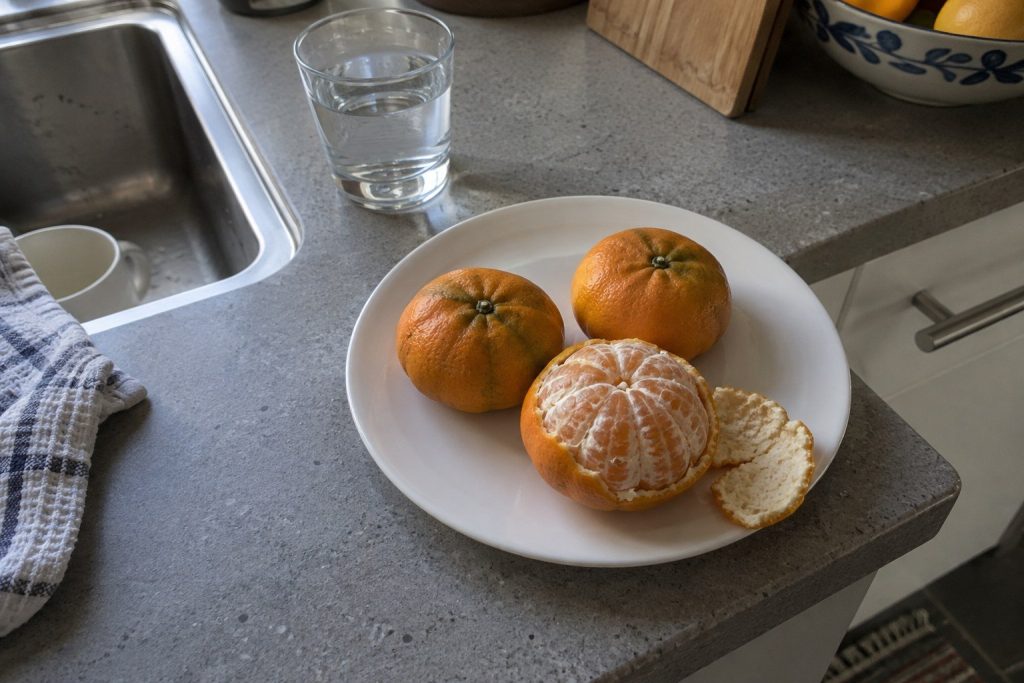
The fruits, ripe from September to October, are small, bright orange mandarins, seedless, very sweet and strongly fragrant. The flesh is tender and particularly juicy, with a delicate fragrance recalling classic satsumas but with added sweetness. The thin skin peels very easily, an essential trait for eating out of hand. It is an ideal fruit for children thanks to its small size and total absence of seeds.Flavor and ornamental interest
The Planellina Satsuma excels as an eating fruit, to be enjoyed fresh from fall, when other citrus are not yet ripe. Its September-to-October earliness makes it a perfect complement to the seasonality of French orchards, offering the first citrus sweetness of the year. As juice, its delicate fragrance and natural sweetness suit cold drinks and sorbets. As an ornamental, seeing the tree loaded with small orange mandarins in September offers an unexpected, warm spectacle. Its hardiness at 10°F (−12°C), decent for a satsuma, destines it for gardens in the Mediterranean and Atlantic zone 8a.
Back to the collection
Updated: