Cold hardiness
10°F (−12°C)
Identity
OriginSwitzerland
Genetic originOpen-pollinated seedling of Sanford Citrange (Poncirus trifoliata x Citrus sinensis), pollen probably clementine
USDA zone8a
Cold hardiness10°F (−12°C)
Fruit cold hardiness25°F (−4°C)
GrowthModerate
Height10 ft (3 m)
HarvestNovember, December
SeedsModerate
UsesFresh eating, Juice, Preserves
FlavorsSweet, Slight bitterness, Tart
History & Description
Origin
Sanford Curafora is a contemporary hardy citrus variety selected in Switzerland by Dr. Edwin Frey, one of the most active European amateur researchers in the quest for edible-fruited citrus adapted to cold climates. It is a seedling from the open pollination of Sanford Citrange (itself a historic Poncirus x Sanford orange hybrid dating from the USDA programs of 1900-1910), whose pollen parent is unknown but was probably a clementine or a neighboring mandarin. This selection effort in the European alpine climate represents an original path, complementary to American and Japanese work: selecting directly in the cold zone to identify the best combinations. Curafora has circulated among European amateur circles since the 2010s, notably through specialized forums and Italian (Oscar Tintori) and English (Citrus Centre) nurseries, before gradually reaching a few French nurserymen in limited distribution.Tree description
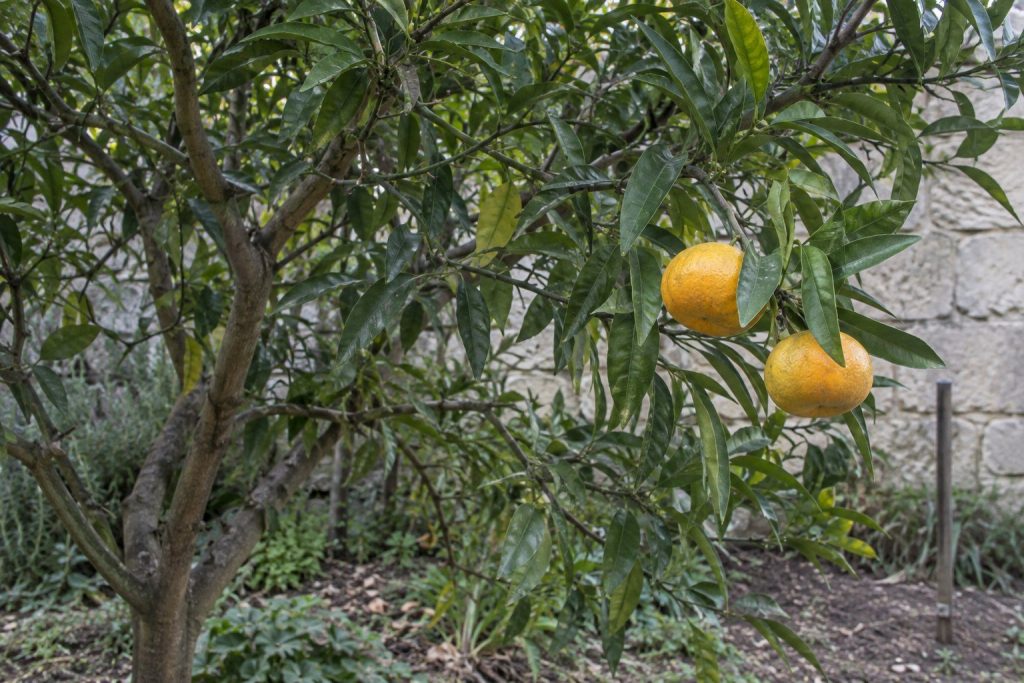
Sanford Curafora forms a moderately vigorous tree reaching 7 to 10 ft (2 to 3 m) at maturity, with a balanced habit and attractive evergreen foliage. Its leaves are fine, dark green, and glossy, longer than wide and reminiscent of those of a mandarin rather than those of a Poncirus, with a few occasional bifoliate or trifoliate leaves that recall the Poncirus heritage. The white, fragrant spring bloom gives regular fruiting once the tree is established. Its hardiness reaches 10°F (−12°C) when adult, which makes it one of the hardiest Poncirus hybrids with edible fruit that can be grown in a cold temperate climate.Fruit quality
The fruit of Sanford Curafora is medium-sized, weighing 2.5 to 3.5 oz (70 to 100 g), mandarin-shaped, with thin, light orange skin that peels fairly easily. The juicy, sweet flesh has an original taste balanced between the sweetness of the mandarin and a slight residual bitterness inherited from the Poncirus, without the harsh flavor typical of pure citranges. A few seeds per fruit. The flavor quality has clearly improved over the parent Sanford Citrange, marking a real step forward in the search for hardy edible hybrids.Flavor and ornamental interest
Sanford Curafora is especially appreciated as a fresh fruit in cold climates where few other mandarins can fruit in the ground. Its taste, intermediate between the mandarin and the improved citrange, also makes it an excellent fruit for jam and marmalade, and its juice is useful in recipes that call for tartness. Beyond culinary use, it is a collector's citrus prized by European enthusiasts looking for hybrids from local European selections rather than classic American or Japanese ones. Best reserved for dedicated gardeners in USDA zone 8a, against a south-facing wall on Poncirus trifoliata rootstock, with light protection during the first 3 years after planting.
Back to the collection
Updated: