Cold hardiness
9°F (−13°C)
Identity
OriginUnited States (California, Indio station)
Genetic originHybrid of Changsha Mandarin × Poncirus trifoliata 'English Large Flowered', created in 1965 by Dr. Joe Furr
USDA zone7b
Cold hardiness9°F (−13°C)
Fruit cold hardiness27°F (−3°C)
GrowthModerate
Height10 ft (3 m)
HarvestNovember, December
SeedsModerate
FlavorsSour, Slight bitterness
History & Description
Origin
The Citrandarin US-852 is a citrus hybrid created in 1965 by Dr. Joe Furr at the experiment station in Indio, California, as part of the USDA program to develop rootstocks resistant to disease and cold climates. Born of a cross between the Changsha Mandarin and Poncirus trifoliata 'English Large Flowered', it was released to the public in 1999 by the USDA, mainly as a rootstock for orange orchards in central Florida. After being gradually abandoned in American commercial production, it was rediscovered by the European community of enthusiasts, notably thanks to the French-language forum agrumes-passion.com, which has followed its performance in the ground for more than fifteen years. Today it is part of the panorama of the most interesting Poncirus hybrids for amateurs seeking edible fruit in the coldest zones of France.Tree description
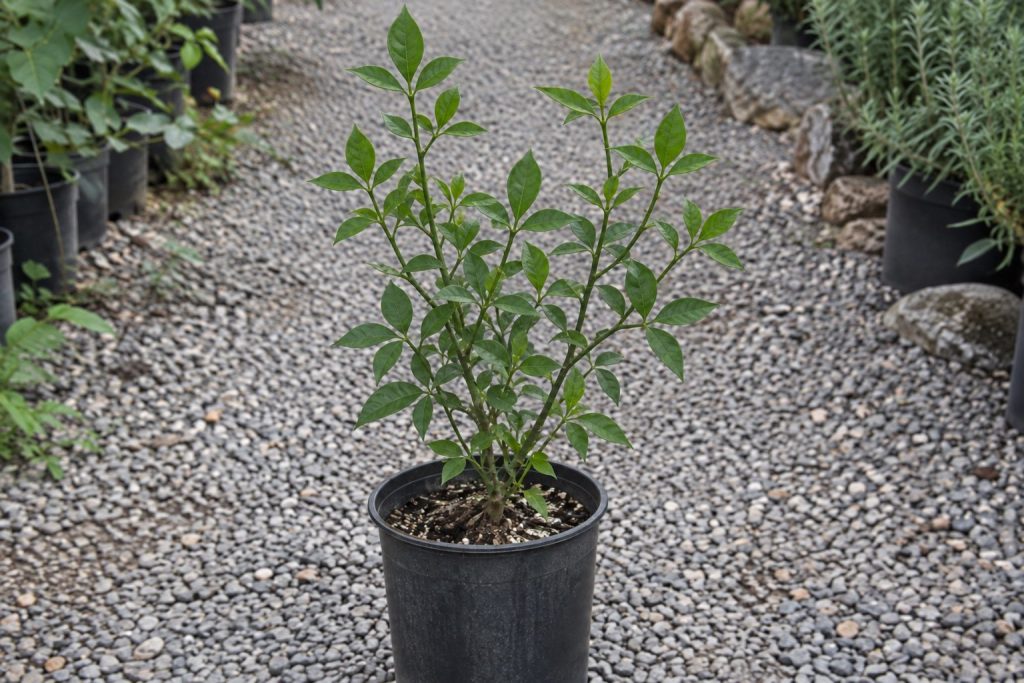
The tree has a more compact stature than most grafted citrus, generally reaching 10 ft (3 m) at maturity with a balanced silhouette. The foliage is partly trifoliate depending on the specimen, inherited from its Poncirus parent, and growth is moderate but very regular. Hardiness, estimated by French users at 10 to 5°F (−12 to −15°C), places this hybrid at the top of the frost-resistance scale. It is a tree suited to small gardens or in-ground collections in regions where winters regularly fall below 14°F (−10°C).Fruit quality
The fruit looks like a small orange mandarin at maturity, with thin skin. The pulp is sour with a slight residual bitterness from the Poncirus, but much less pronounced than in the Citrumelo thanks to the moderation provided by the Changsha parent. Seeds are present in moderate numbers. Ripening is late and sometimes requires protection against the first, most severe frosts before picking.Flavor and ornamental interest
The Citrandarin US-852 occupies a unique niche among hardy Poncirus hybrids: its fruits, unlike pure Poncirus or the Citrumelo, are edible as diluted juice or in jams. It bridges the gap between purely ornamental ultra-hardy citrus and true zone 8a mandarins. For the gardener-collector, it represents a variety with little distribution in France, rich in lessons about the USDA breeding programs of the 1960s and about the still-unexplored possibilities of mandarin × Poncirus introgressions.
Back to the collection
Updated: