Cold hardiness
10°F (−12°C)
Identity
OriginAustralia and France (Quissac selection)
Genetic originHybrid of Citrus glauca (desert lime) × Eremorange (Citrus glauca × Citrus sinensis)
USDA zone8a
Cold hardiness10°F (−12°C)
Fruit cold hardiness27°F (−3°C)
GrowthModerate
Height10 ft (3 m)
HarvestJanuary, November, December
SeedsFew
UsesJuice, Savory cooking
FlavorsSour, Highly aromatic
History & Description
Origin
The Eremorange 2 is a rare double hybrid, the product of a backcross program carried out by the Quissac nursery in the Gard. It results from a cross between the Eremorange (itself a hybrid between Citrus glauca, the Australian desert lime, and an orange tree) and another Citrus glauca, with the aim of increasing fruit size while keeping the extreme hardiness of the parent Eremorange. This selection illustrates the modern evolution of French varietal selection, continuing the breeding work begun in Australia by CSIRO researchers in the 1960s. The Eremorange 2 is sold in a very limited edition, exclusively by Quissac, and is a curiosity for collectors of rare citrus wishing to enrich their hardy orchard with a unique piece of Australian-French genetics.Tree description
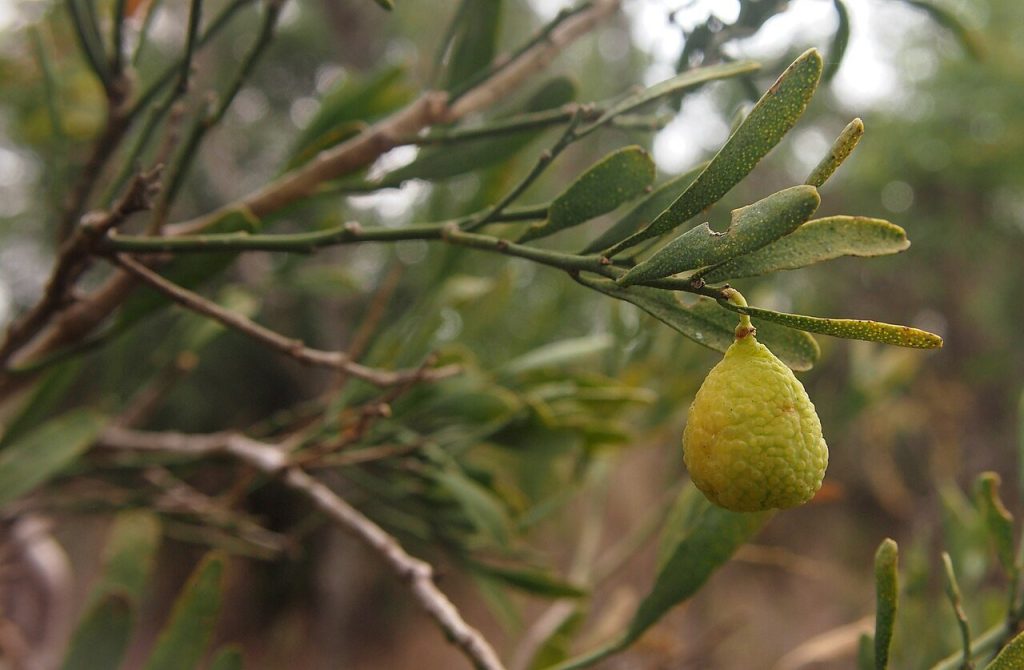
The tree is moderately vigorous with a semi-upright habit, reaching 10 ft (3 m) tall at maturity. The evergreen foliage is dense, with very distinctive silvery leaves inherited from the Citrus glauca parent, giving the tree a very original look in an orchard. The spring bloom is discreet, white and delicately fragrant. Growth is moderate, well suited to well-drained soils and dry climates, a reflection of its desert heritage.Fruit quality
The fruit is larger than that of the classic Eremorange, light orange, with moderately thick, fragrant skin. The flesh is juicy and slightly tart, with complex notes combining the arid originality of the glauca and the sweetness of the sweet orange. Seeds are present in reduced numbers. The fruit keeps the very particular aromatic character that is the signature of glauca-orange hybrids, an alliance of tropical and desert unique in the citrus world.Flavor and ornamental interest
The Eremorange 2 is enjoyed fresh or as juice to appreciate its rare aromatic complexity. Its fragrant juice suits sorbets, craft cocktails and light sauces, and brings originality to breakfast. As an ornamental, the silvery foliage and extreme hardiness make it an exceptional tree for the dry gardens of the Mediterranean rim or for collections of botanical curiosities. Its combined resistance to drought and to cold down to 10°F (−12°C) destines it for contrasting climates (Provence, inland Languedoc, the Rhône Valley).
Back to the collection
Updated: