8a

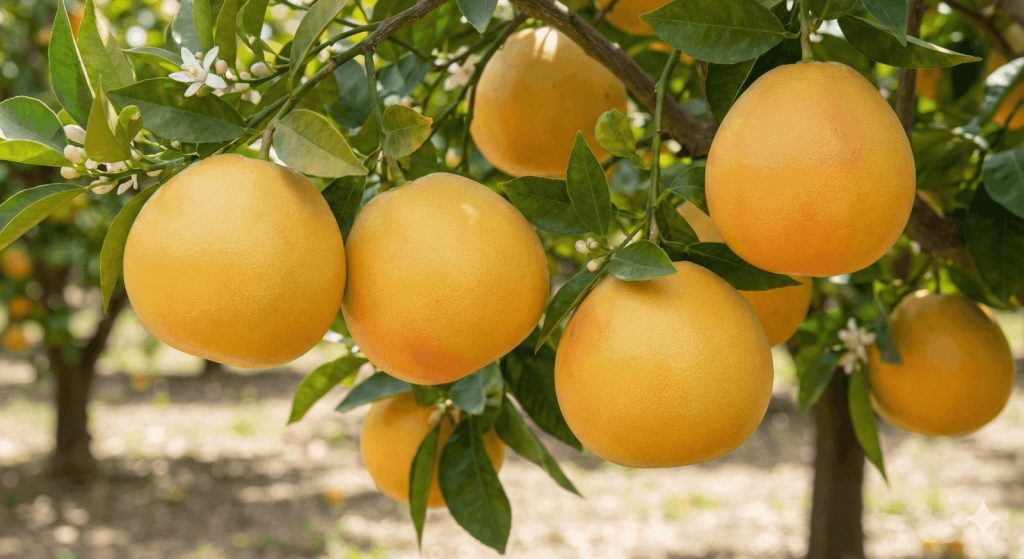
Round yellow citrus fruit hanging among green leaves

Auline

Auline (Citrus hybrid ‘Auline’) is a complex citrus hybrid of still-debated botanical classification, identified in nursery collections as particularly interesting for its hardiness and balanced flavor quality. Its hardiness reaches 12°F (−11°C) on the tree according to nurseries, making it suitable for in-ground growing in USDA zone 8a. The tree reaches about 13 ft (4 m) with a slightly weeping habit, evergreen foliage, and fragrant white flowers in spring. Its large fruit, about 9 oz (250 g), smooth and yellow-orange like a big grapefruit, ripen from February to April, with a harvest sometimes extended to June depending on the nursery, and offer juicy flesh with a balanced sour-sweet taste and aromatic notes recalling both mandarin and yuzu. Excellent for fresh eating by enthusiasts and in blended juice. Niche variety for collectors of hybrid citrus. Graft onto Poncirus trifoliata, south-facing wall, well-drained soil.
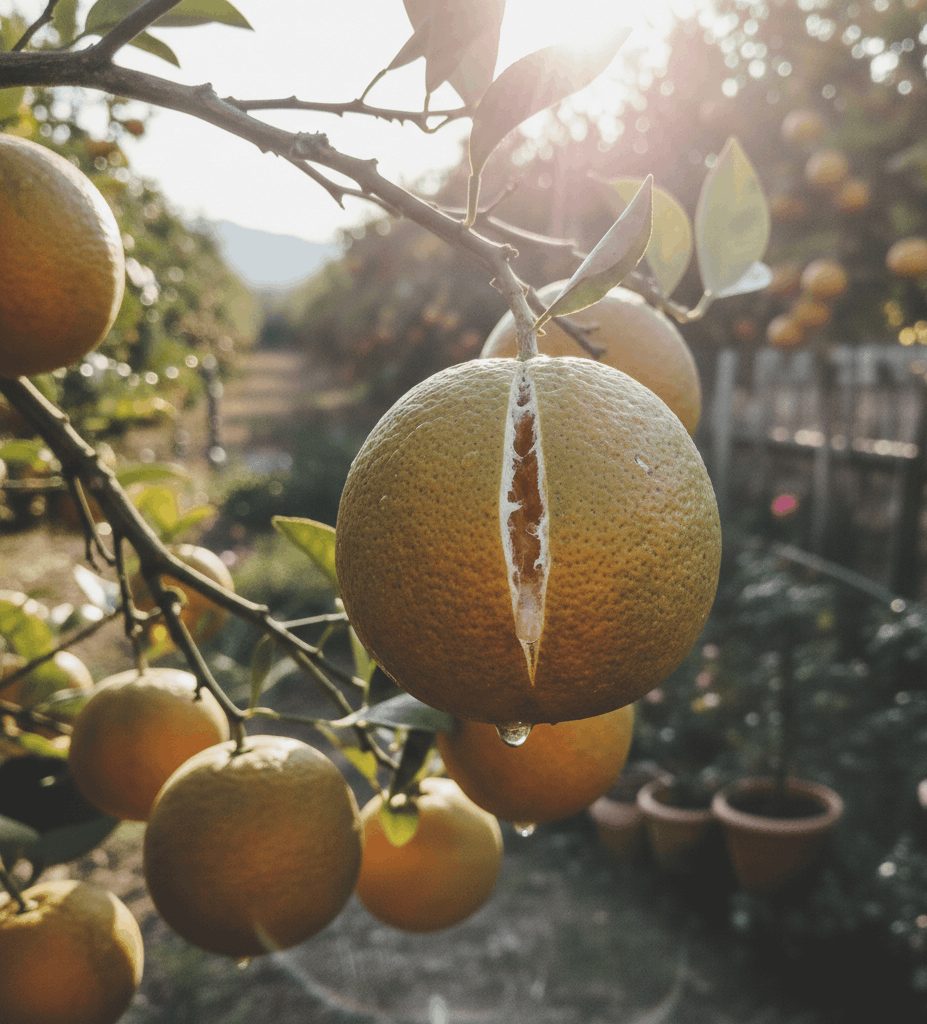
A split citrus fruit hanging on a branch

US 119

US-119 (Citrus hybrid ‘US 119’) is a complex American hybrid created by the USDA program, combining mandarin, grapefruit, and Poncirus trifoliata to produce a fruit pleasant to eat combined with great hardiness. Its hardiness reaches 7°F (−14°C) on the tree, among the hardiest citrus in the inventory, making it suitable for in-ground growing as far as USDA zones 7b and 8a. The tree reaches 10 to 13 ft (3 to 4 m) with an upright, semi-thorny habit, evergreen foliage, and fragrant white flowers. Its bright orange, medium to large fruit, with thin, easy-to-peel skin and few seeds, ripen in winter and offer juicy, sweet, fragrant flesh, among the most pleasant of the ultra-hardy citrus, without marked residual bitterness. Grown in the vineyards of northern California as a productive supplementary citrus. Graft onto Poncirus trifoliata, plant against a south-facing wall, in well-drained soil.

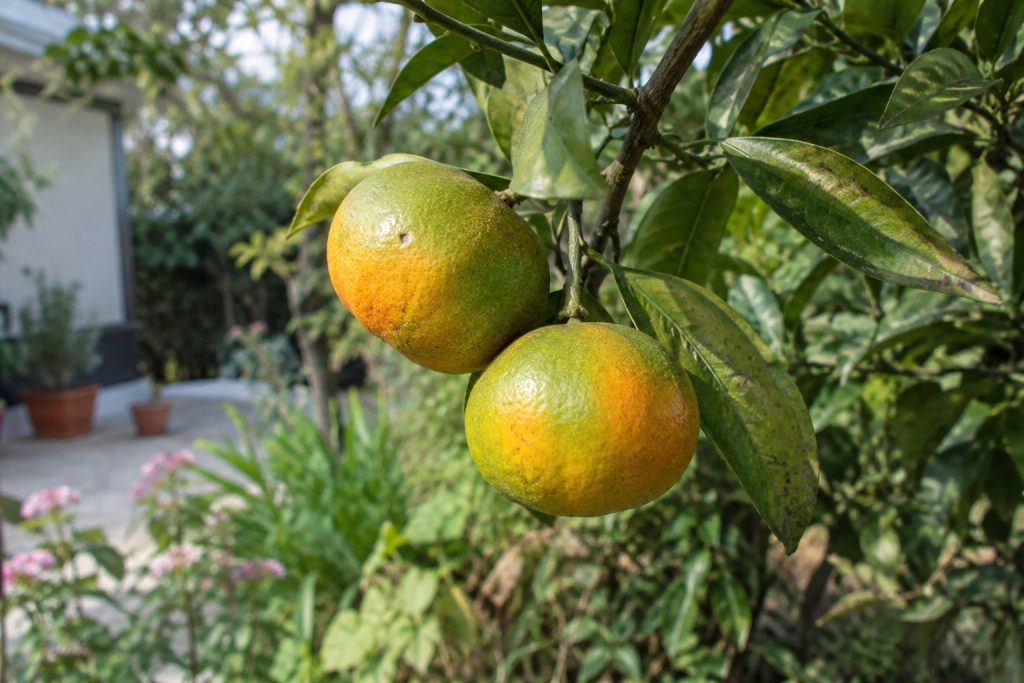
Green and orange citrus fruit hanging among leaves

Iwasaki Satsuma Mandarin

Iwasaki satsuma mandarin (Citrus unshiu ‘Iwasaki’) is an early Japanese satsuma selection, recognized for the quality of its flesh and its earlier ripening compared with other satsumas. Its hardiness reaches 10°F (−12°C) on the tree, making it suitable for in-ground growing in USDA zone 8a, among the hardiest mandarins in the world. The tree reaches 7 to 10 ft (2 to 3 m) with a spreading, weeping habit, evergreen foliage, and fragrant white flowers. Its bright orange, medium-sized fruit, weighing 2.8 to 4.2 oz (80 to 120 g), seedless, with very easy-to-peel thin skin, are harvested from September, even late August in the warmest regions, then in October depending on the climate, and offer particularly juicy, sweet, low-acid, fragrant flesh. The ideal early satsuma for regions where winter arrives early (continental zone 8a). Excellent fresh, as juice, and as sorbet. Graft onto Poncirus trifoliata, south wall.

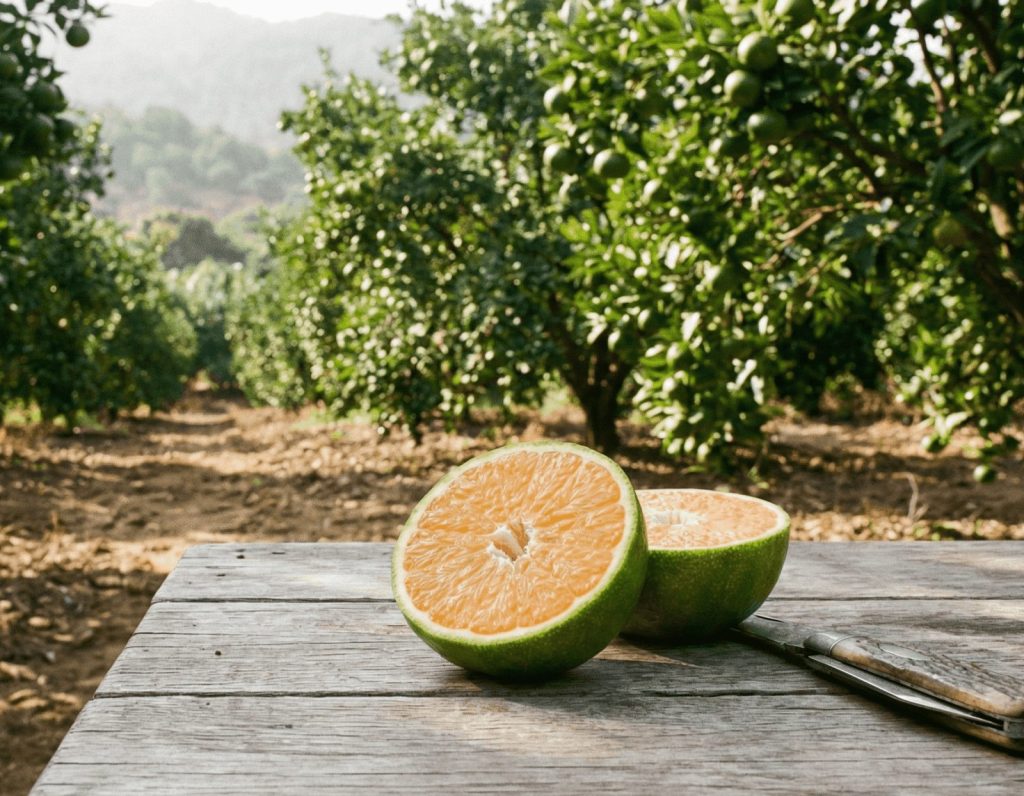
Halves of a green-skinned citrus fruit on a table beside an orchard

Owari Satsuma Mandarin

Owari satsuma mandarin (Citrus unshiu ‘Owari’) is the most widely grown satsuma in the world and one of the hardiest mandarins, withstanding 10°F (−12°C) on the tree. Native to Japan, where it has been selected since the 19th century on the former Satsuma estate (Kagoshima Prefecture), it is now produced on a large scale in Spain and Japan. The tree reaches about 10 to 11 ft (3 to 3.5 m) depending on the grower and rootstock, with a spreading, weeping habit and evergreen foliage. Its bright orange, seedless fruit, with thin, easy-to-peel skin, ripen early (November to December) with sweet, juicy, low-acid flesh. Owari satsuma is the ideal citrus for children and fresh eating, perfect also for juice and sorbet. Grafted onto Poncirus trifoliata, it is viable as far as USDA zone 8a. Harvest early, before the first severe frosts, which destroy the pulp.

Scroll to Top