Cold hardiness
10°F (−12°C)
Identity
OriginJapan
Genetic originNucellar mutation of Satsuma
USDA zone8a
Cold hardiness10°F (−12°C)
Fruit cold hardiness27°F (−3°C)
GrowthSlow
Height11 ft (3.5 m)
HarvestOctober, November, December
SeedsFew
UsesFresh eating
FlavorsSlightly acidic, Sweet
History & Description
Owari satsuma mandarin (Citrus unshiu 'Owari') is the archetype and worldwide standard of Japanese satsuma mandarins, withstanding 10°F (−12°C) once established on Poncirus rootstock. The variety takes its name from the former province of Owari, now part of Aichi Prefecture on the island of Honshu, where it was selected and then stabilized by local nurserymen. This old selection became the reference stock from which most modern satsuma mandarins were developed — its long history and the consistency of its flavor qualities have allowed it to remain unrivaled despite decades of breeding programs.
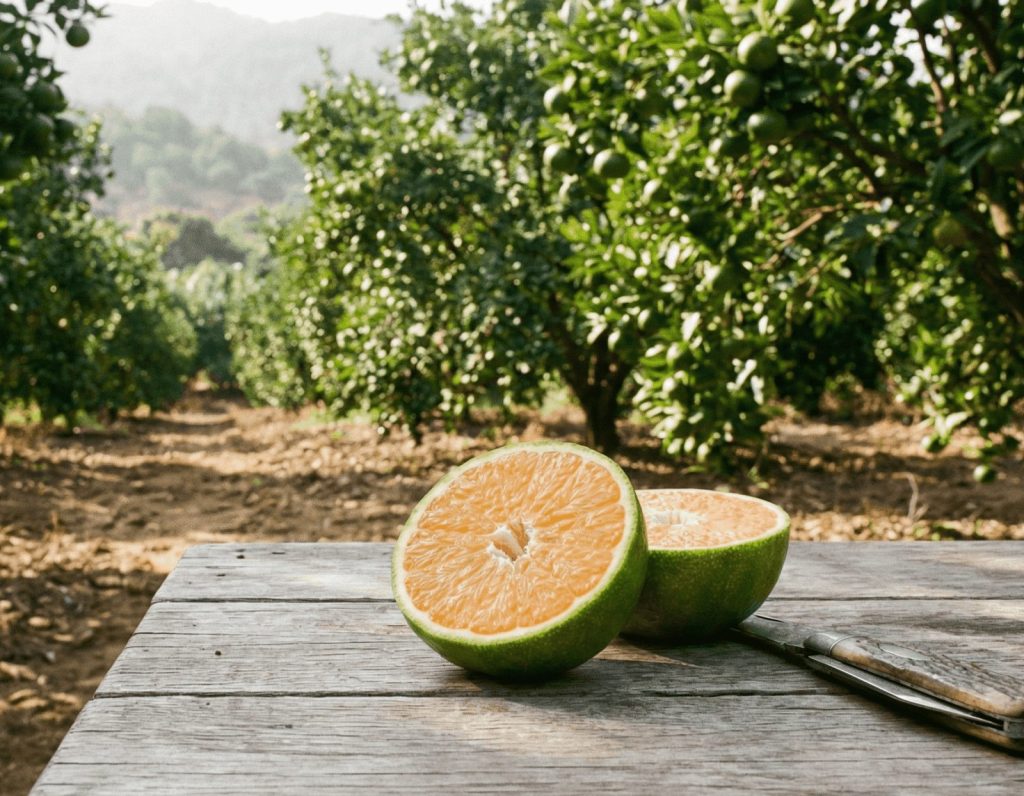
The mature tree is moderately vigorous and reaches about 10 to 11 ft (3 to 3.5 m) depending on the grower and rootstock, with a very characteristic weeping habit: its supple branches bend gracefully under the weight of the fruit, giving it a decorative look unique among the hardy citrus that can be grown in France. The evergreen foliage is dark green, dense, and glossy. The white, fragrant spring bloom produces, in November and December, medium-sized mandarins weighing 2.8 to 4.2 oz (80 to 120 g), flattened at the poles, with a slightly loose rind known as "glove skin" that peels in seconds with a simple squeeze. The segments separate easily and are guaranteed seedless, a rare and highly sought-after trait among hardy mandarin trees.
In terms of flavor, Owari is the absolute reference for satsuma mandarins: melting, juicy flesh, refreshing acidity that softens at full ripeness, and a powerful aroma with characteristic floral and honeyed notes. It is the ideal Christmas mandarin and the earliest of the hardy mandarin trees that can be grown in metropolitan France. It is viable in the ground throughout the whole southern half and the Atlantic coast (USDA zones 8a to 9b), grafted onto Poncirus trifoliata for maximum hardiness, against a south-facing wall with light winter mulch. First harvest is generally from the third or fourth year after planting, with production intensifying over the following seasons.
Back to the collection
Updated: