Cold hardiness
10°F (−12°C)
Identity
OriginJapan
Genetic originNucellar mutation of Satsuma
USDA zone8a
Cold hardiness10°F (−12°C)
Fruit cold hardiness25°F (−4°C)
GrowthSlow
Height10 ft (3 m)
HarvestAugust, September, October
SeedsFew
UsesFresh eating
FlavorsSlightly acidic, Sweet
History & Description
Iwasaki satsuma mandarin (Citrus unshiu 'Iwasaki') is a leading early Japanese selection, discovered as a bud mutation of the 'Okitsu' variety and belonging to the "Goku Wase" (very early) group. Specifically developed to let Japanese citrus growers get ahead of the market by harvesting before other satsumas, it thus avoids the climatic risks of late fall and offers ripe fruit from late August in the warmest regions. Its hardiness is excellent, reaching 10°F (−12°C) once the tree is established, which places it among the most cold-hardy satsumas available in France.
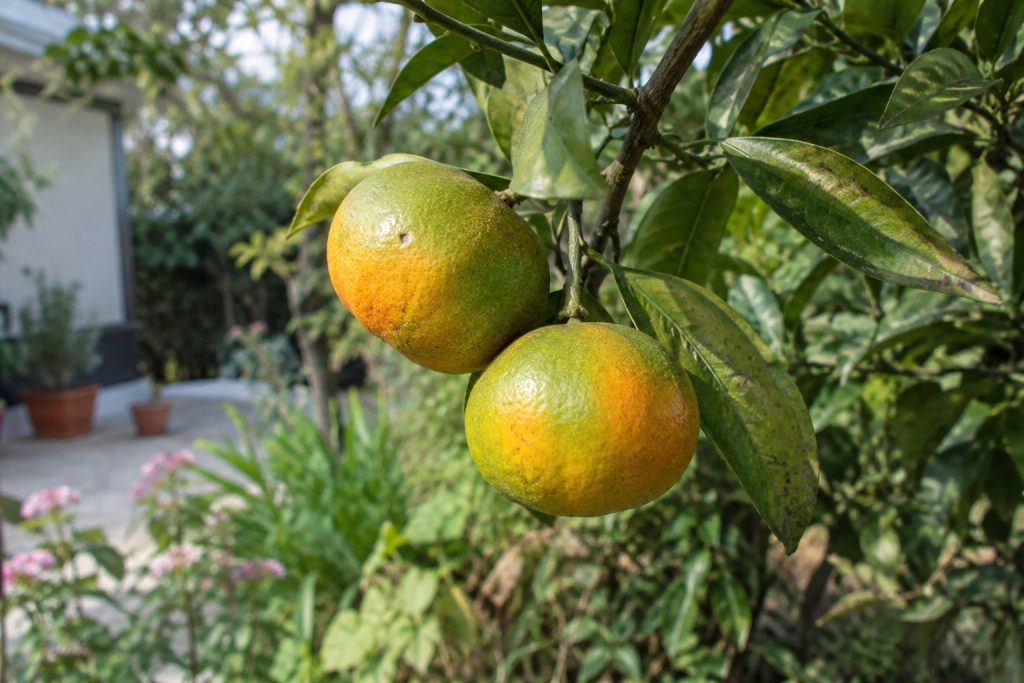
The tree stands out for its very attractive weeping habit and moderate growth, reaching about 10 ft (3 m) at maturity, which makes it particularly suitable for small gardens, large-container culture, and sheltered balconies. Its evergreen foliage is dense, dark green, and glossy. The white, fragrant spring bloom produces, as early as August or September in the warmest regions, then in October depending on the climate, medium-sized mandarins weighing 2.8 to 3.5 oz (80 to 100 g) with very thin skin and entirely free of seeds — a rare trait among hardy citrus and highly sought after for fresh eating and processing. The fruit can be eaten while the rind is still green (late August in the warmest regions, with a more tangy taste) or at full orange ripeness in October.
In terms of flavor, Iwasaki offers melting, exceptionally sweet flesh, completely free of harsh acidity, which makes it an ideal fruit for children and for fans of fresh-eating mandarins. It is viable in the ground throughout the southern half of France and the Atlantic coast (USDA zones 8a to 9b), grafted onto Poncirus trifoliata for maximum hardiness, against a south-southwest-facing wall with winter mulch. Its earliness (harvest August to October) and its drooping silhouette also make it a remarkable ornamental, bringing a Japanese-inspired touch to the garden.
Back to the collection
Updated: