
Cold hardiness
14°F (−10°C)
Identity
OriginUnited States (California)
Genetic originHybrid pummelo × grapefruit (Citrus maxima × Citrus paradisi)
USDA zone8a
Cold hardiness14°F (−10°C)
Fruit cold hardiness28°F (−2°C)
GrowthVigorous
Height16 ft (5 m)
HarvestJanuary, February, March, April, November, December
SeedsSeedless
UsesFresh eating, Juice, Sweet cooking
FlavorsSweet, Slightly acidic, Highly aromatic
History & Description
Origin
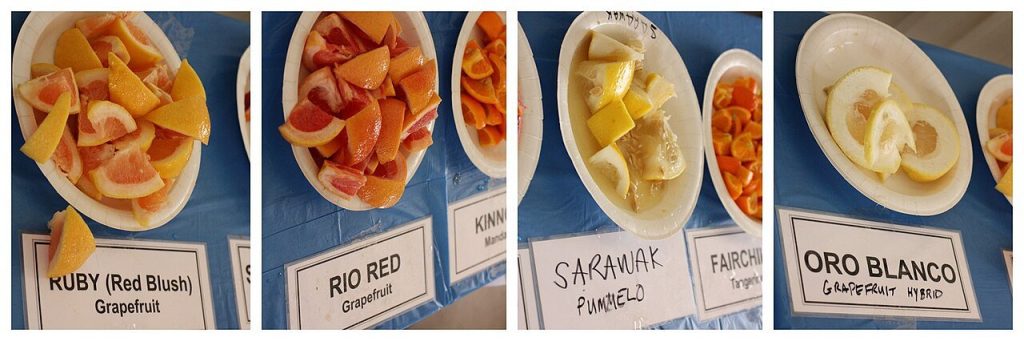
Oro Blanco, whose Spanish name means white gold, is a hybrid created in 1958 by researchers at the University of California, Riverside, from a cross between an Asian pummelo (Citrus maxima) and a grapefruit (Citrus paradisi). This breeding program aimed to obtain a fruit without bitterness, sweet and pleasant to eat out of hand. After two decades of work, the variety was officially released in the 1980s and quickly won over the European and American markets. Its name evokes the golden color and the sweetness of its ivory flesh. Little known to the general public, Oro Blanco remains a sought-after connoisseur's variety. It is now grown in many Mediterranean countries, in California, in Israel, and in the mild-winter regions of Europe.Tree description
Oro Blanco is a medium to large tree, able to reach 13 to 16 ft (4 to 5 m), with an upright, slightly open habit. Its glossy green evergreen foliage is made up of large leaves characteristic of grapefruits. The white, very fragrant bloom comes in spring. Growth is vigorous and the tree establishes quickly in the ground in sheltered areas.Fruit quality
The Oro Blanco fruit is bulky, weighing between 14.1 and 17.6 oz (400 and 500 g), with smooth, thick, pale yellow skin. The flesh is creamy white, melting, without bitterness, with a mild, lightly sweet flavor that contrasts pleasantly with the classic grapefruit. It is practically seedless, which makes it very convenient to eat. The harvest runs from November to April, offering a long winter production window.Flavor and ornamental interest
Oro Blanco is eaten mainly as a table fruit, its sweetness free of bitterness winning over even palates not used to citrus. It gives a delicate, fragrant juice of beautiful clarity. Its zest, with little bitterness, is valuable in pastry and sweet cooking. Ornamentally, its large golden fruit that stay on the tree for several months create a spectacular effect in zone 8a gardens, where it is an original alternative to classic grapefruits.
Back to the collection
Updated: