Cold hardiness
14°F (−10°C)
Identity
OriginUnited States
Genetic originHybrid
USDA zone8b
Cold hardiness14°F (−10°C)
Fruit cold hardiness28°F (−2°C)
GrowthSlow
Height16 ft (5 m)
HarvestJanuary, February, March, April, May
SeedsMany
UsesFresh eating, Juice
FlavorsSour, Bitter, Sweet
History & Description
Origin
Duncan is the patriarch of the grapefruits, considered the oldest named variety in Florida. It comes from a lucky seedling identified around 1830 near Safety Harbor, Florida, by A.L. Duncan. Unlike modern varieties derived from mutations, Duncan represents the original, authentic flavor of the white grapefruit, as it won over America in the 19th century.Tree description
This is a large, vigorous tree, known for its longevity and exceptional productivity. It has better cold resistance than most other grapefruits. The Florida catalog Fruit Trees Only recommends it for USDA zones 9a/9b, while Biggio and Londeix offer it in 8b for acclimatization in France.Fruit quality
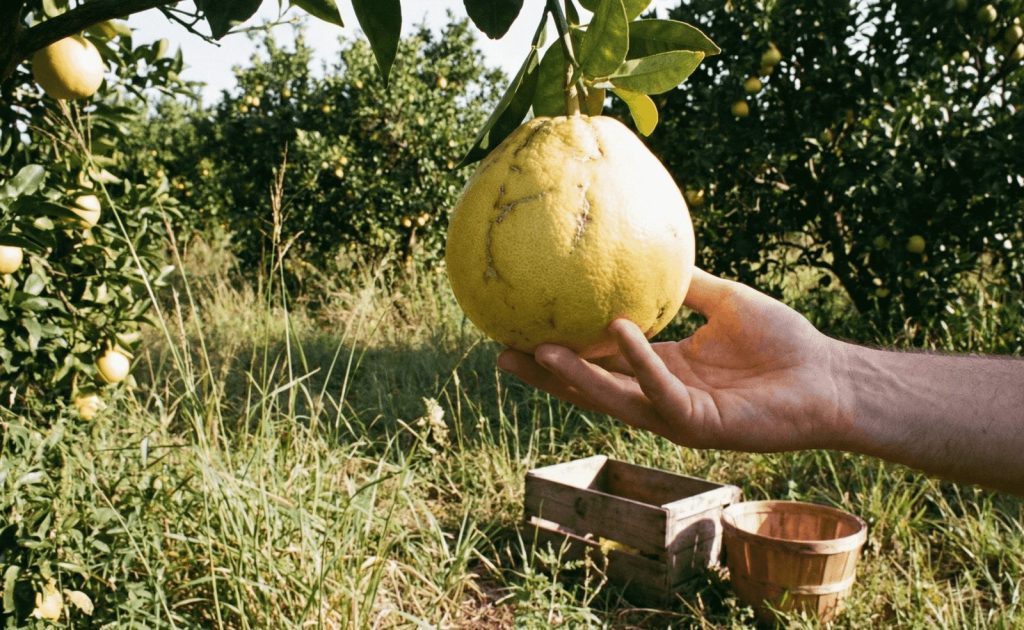
It produces large, spherical fruit with pale yellow skin. Its flesh is white (or very pale yellow) and extremely juicy. Unlike current supermarket standards, it contains many seeds, a sign of its old genetics.Flavor and ornamental interest
Despite its seeds, it is revered by connoisseurs as the best grapefruit in the world in terms of taste. Its flavor is rich, complex, perfectly balanced between sugar and the noble bitterness of the true pummelo.
Back to the collection
Updated: