Cold hardiness
16°F (−9°C)
Identity
OriginUnited States (Florida, USDA)
Genetic originHybrid of Nagami kumquat × lemon tree
USDA zone8b
Cold hardiness16°F (−9°C)
Fruit cold hardiness28°F (−2°C)
GrowthModerate
Height10 ft (3 m)
HarvestOctober, November, December
SeedsFew
FlavorsSour, Sharp acidity, Highly aromatic
History & Description
Origin
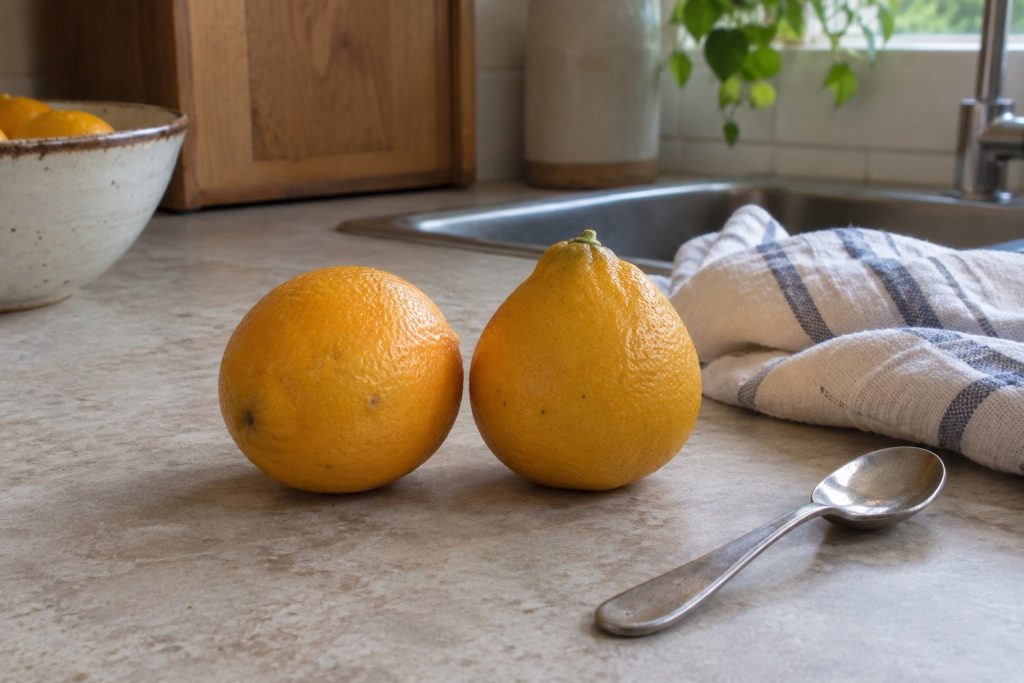
The Sunquat is an interspecific hybrid obtained by the USDA citrus breeding program in Florida, from a cross between the Nagami kumquat (Fortunella margarita) and a lemon tree (Citrus limon). The cross aimed to create a citrus combining the kumquat’s hardiness and edible skin with the lemon’s aromatic acidity and juice production. The result is a unique fruit, recognizable by its slightly elongated shape, reminiscent of a small orange lemon, and by its intense aromatic profile blending lemony notes with kumquat freshness. Although little known in France, it is appreciated by collectors and by cooks looking for original, hardy ingredients.Tree description
The Sunquat has a habit intermediate between its two parents: more vigorous than the pure kumquat, with moderate growth and a stature reaching 6.5 to 10 ft (2 to 3 m) in the ground. Its evergreen, medium green foliage has leaves slightly larger than those of the Nagami, a legacy of the lemon tree. Flowering is abundant in spring, with small, highly fragrant white flowers. The hardiness reference retained for this hybrid is 16°F (−9°C), based on the Vessières listing detailed below.Fruit quality
The Sunquat fruit is oval to slightly elongated, measuring 1.6 to 2 in (4 to 5 cm), taking on a vivid yellow-orange color at maturity that recalls a very small lemon. Its thin skin, edible like that of any kumquat, is intensely fragrant with pronounced lemony notes. The flesh is very acidic and juicy, far more so than that of pure kumquats, close to a lemon in acidity. This richness in juice and citric acid clearly sets it apart from other kumquats. Seeds are few, generally fewer than 5 per fruit.Flavor and ornamental interest
The Sunquat is above all a culinary citrus: its high acidity and complex aromas make it an ingredient of choice for vinaigrettes, marinades, fish sauces, and sweet-tart preparations. Its very concentrated juice is used like a more aromatic lemon. In jam, it yields highly fragrant preparations. Its distinctive ability to be eaten whole, skin and flesh together, opens up new creative possibilities in the kitchen. It is also a decorative shrub, with its small yellow-orange fruit in fall.Hardiness — October 8, 2026 review: Reference retained at 16°F (−9°C), based on the Agrumerie Vessières listing. This hybrid is not automatically given the hardiness advertised for Nagami or Nameiwa. These temperatures apply to a mature, established, acclimated tree during a one-off frost; they guarantee neither the absence of damage nor a harvest. Wind, freeze duration, humidity, and pot culture change the risk.
Fruit resistance: The fruit reference already on record remains indicative: this review did not establish a new experimental threshold specific to this material. It is not deduced from the tree temperature.
Hardiness references: Agrumerie Vessières — Sunquat (accessed October 8, 2026).
Back to the collection
Updated: