Cold hardiness
14°F (−10°C)
Identity
OriginChina, Japan
Genetic originBotanical species Fortunella obovata
USDA zone8b
Cold hardiness14°F (−10°C)
Fruit cold hardiness25°F (−4°C)
GrowthModerate
Height10 ft (3 m)
HarvestJanuary, February, March, April, November, December
SeedsFew
FlavorsSweet, Tart, Balanced
History & Description
Origin
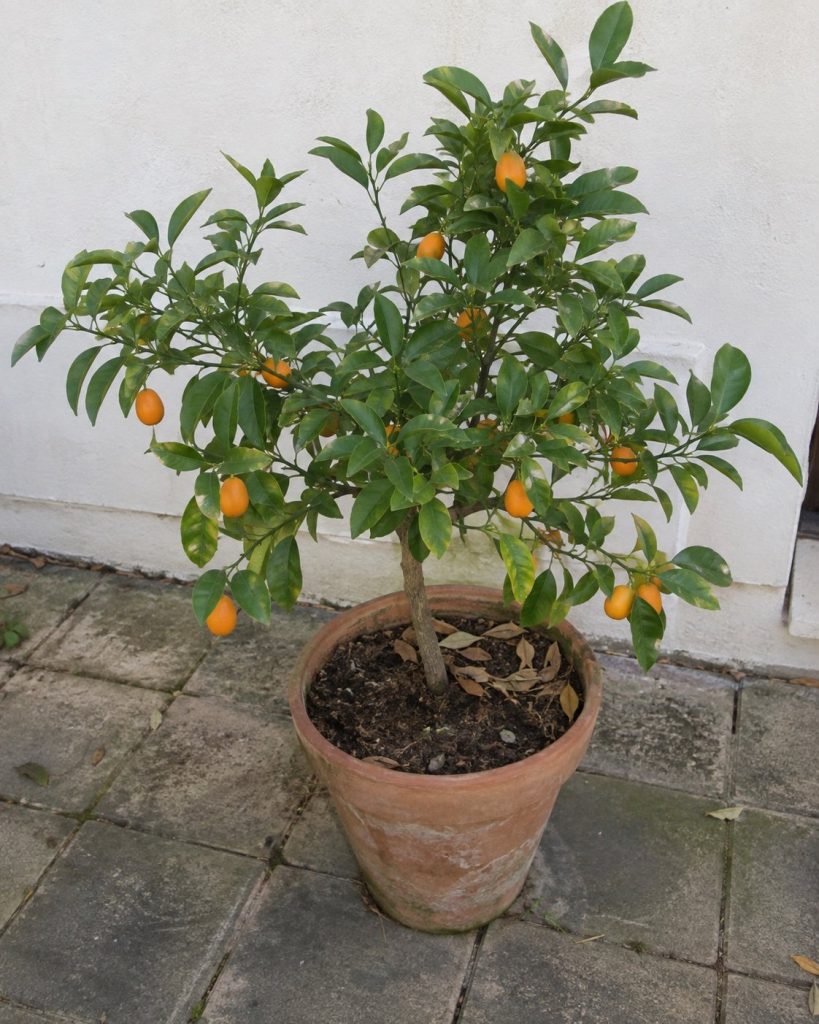
Also called 'Changshou', Fukushu kumquat comes from China and is very popular in Japan as a good-luck plant. It is often given at celebrations to symbolize longevity and prosperity.Tree description
This tree forms a small compact bush with beautiful dark green, broad, glossy foliage. It is particularly floriferous and decorative, adapting perfectly to pot culture thanks to its naturally harmonious habit.Fruit quality
The fruit is larger than that of other kumquats, with a characteristic bell or oval (obovate) shape. Its skin is smooth, thin, and a lovely luminous orange at maturity.Flavor and ornamental interest
Fukushu is prized for its juicy flesh and its perfect balance: a very sweet skin and a pleasantly tart pulp. It is excellent as an eating fruit or turned into an exceptional jam.Hardiness — October 8, 2026 review: The reference is set at 14°F (−10°C). Vessières gives 14°F (−10°C) in its listing and 14 to 10°F (−10 to −12°C) in its text; Agrumes de Provence advertises 10°F (−12°C). The main value stays cautious in view of this gap. Fukushu and Changshou refer to the same kumquat in the UCR collection. These temperatures apply to a mature, established, acclimated tree during a one-off frost; they guarantee neither the absence of damage nor a harvest. Wind, freeze duration, humidity, and pot culture change the risk.
Fruit resistance: The fruit reference already on record remains indicative: this review did not establish a new experimental threshold specific to this material. It is not deduced from the tree temperature.
Hardiness references: Agrumerie Vessières — Fukushu; Agrumes de Provence — Fukushu; UCR — Changshou/Fukushu (accessed October 8, 2026).
Back to the collection
Updated: