Candied fruit

Illustration of Tavares limequat with fruit and foliage in a garden or harvest setting.

Tavares Limequat

Tavares limequat (Citrus × floridana ‘Tavares’) is a fruiting hybrid of West Indian lime and oval kumquat. W. T. Swingle obtained it in Florida in 1909; the name was published in 1913. The French growers Vessières and Agrumes de Provence report 16°F (−9°C) for the tree; this commercial indication does not guarantee survival under a prolonged freeze. Vessières gives an evergreen tree of 7 ft (2 m) with moderate growth. The small oval fruits turn yellow to yellow-orange and provide a fragrant, sour juice, with few seeds according to this grower. Their peel can also be used in cooking. Ripening can be spread over the year, depending on the climate. Juice, sauces, and candied fruit are its main uses. USDA zone 8b is an equivalence calculated from 16°F (−9°C), not an official classification of the clone. In France, grow in sun, in well-drained soil and sheltered from wind, with protection for young trees.
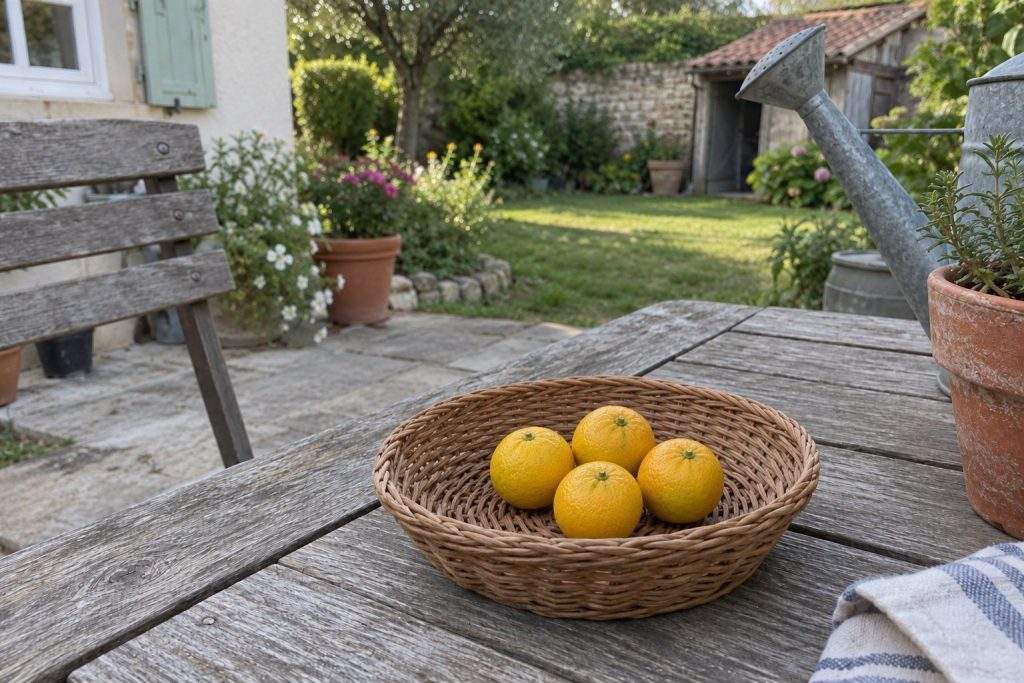
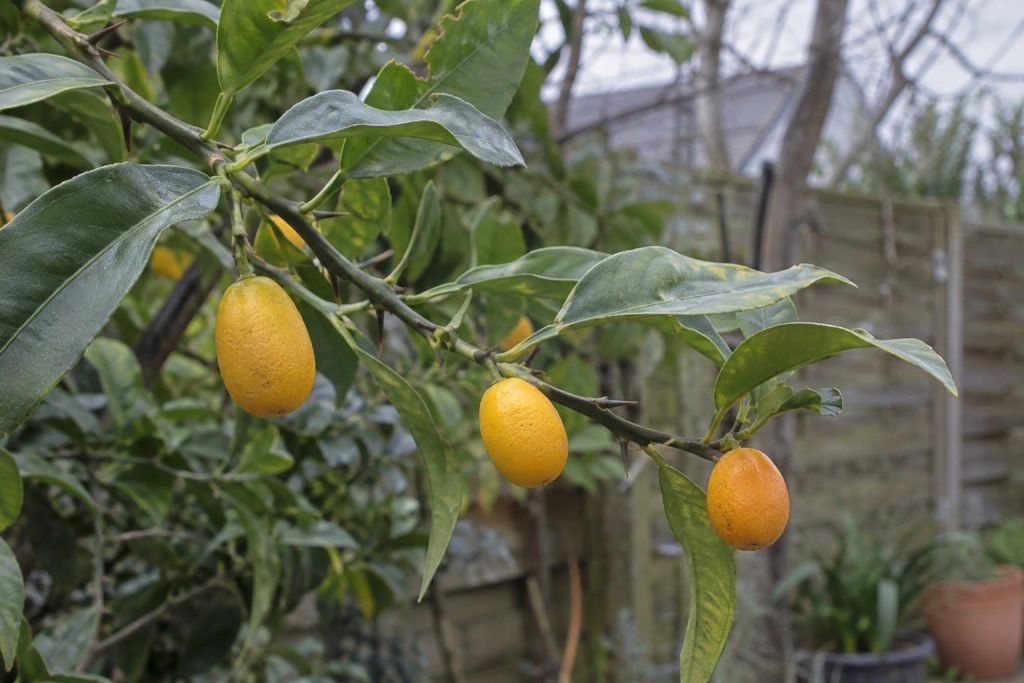
Yellow citrus fruit in a wicker basket on a garden table

Citrangeremo

Citrangeremo ((Citrus sinensis × Poncirus trifoliata) × Eremocitrus glauca) is a hybrid combining citrange ancestry with an Australian citrus. Several selections circulate in Europe, with no single breeder identified. Growers describe a vigorous tree with narrow foliage, able to reach 16 ft (5 m) depending on training. Its small yellow to orange fruits hold vesicles recalling the finger lime. Their tart flavor allows fresh tasting trials; the bitterness of the skin calls for tasting before eating the whole fruit. Jams and candied fruit offer other uses. The 10°F (−12°C) reference is a claim by growers. Feigenhof explicitly gives zone 7b, versus zone 8 at Thomas Fruit Trees: these diverging classifications do not guarantee growing without protection. The harvest runs from late September to November-December depending on the catalogs. In France, choose sun, drainage, and shelter, then protect young trees and check the traits of the plant received.

Elongated yellow and orange citrus fruit hanging on branches

Ichangquat 6-7-2

Ichangquat 6-7-2 (Citrus cavaleriei ‘Ichangquat 6-7-2’) is a remarkable contemporary hybrid obtained by crossing the Ichang papeda (Citrus ichangensis) with a kumquat (Fortunella). The code 6-7-2 refers to the generation and the individual number in the original selection program. Its exceptional hardiness reaches 0°F (−18°C) according to French-language forum observations, making it one of the few citrus with culinary fruit that can be grown in the ground up to USDA zone 7a, including under markedly continental climates. The compact tree reaches 7 to 10 ft (2 to 3 m) with evergreen foliage recalling both the Ichang papeda (typical winged petioles) and the kumquat, and bears a few fine thorns. Its small fruits of 0.5 to 1 oz (15 to 30 g), with thin, sweet, edible skin and tart, fragrant flesh, are eaten whole. Excellent in confectionery, marmalade, and liqueur. Grafted onto Poncirus, viable up to zone 7a.

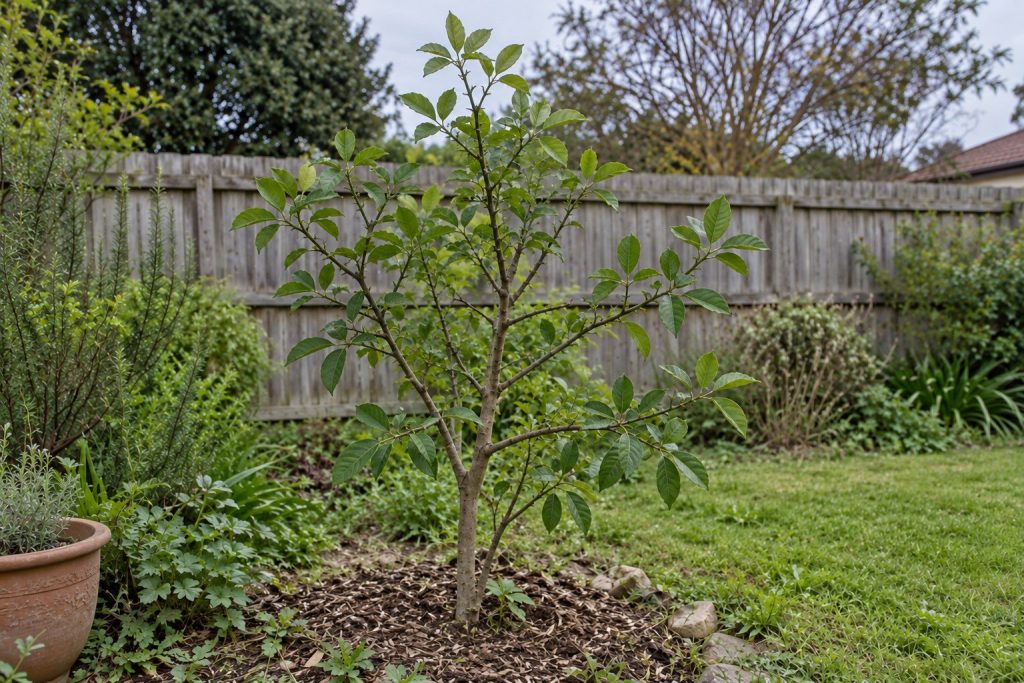
A young garden citrus tree with visibly trifoliate leaves

Rusk Citrange

Rusk citrange (Citroncirus ‘Rusk’) is one of the oldest Poncirus hybrids in the world, created in 1897 by Walter T. Swingle at the USDA to combine the extreme hardiness of Poncirus trifoliata with the flavor quality of the Ruby orange. Named in honor of J. M. Rusk, the first U.S. Secretary of Agriculture, it was officially described in 1905. Its exceptional hardiness reaches 1°F (−17°C), making it suitable for in-ground growing up to USDA zone 7a. The vigorous tree reaches 7 to 10 ft (2 to 3 m) with evergreen to semi-deciduous trifoliate foliage. Its small, flattened, dark orange fruits with reddish highlights contain few seeds and have very juicy flesh with a tart, slightly bitter taste, more edible than most citranges. Excellent as juice, jam, and liqueur. Grafted onto Poncirus, perfect for gardens in zones 7 and 7b.

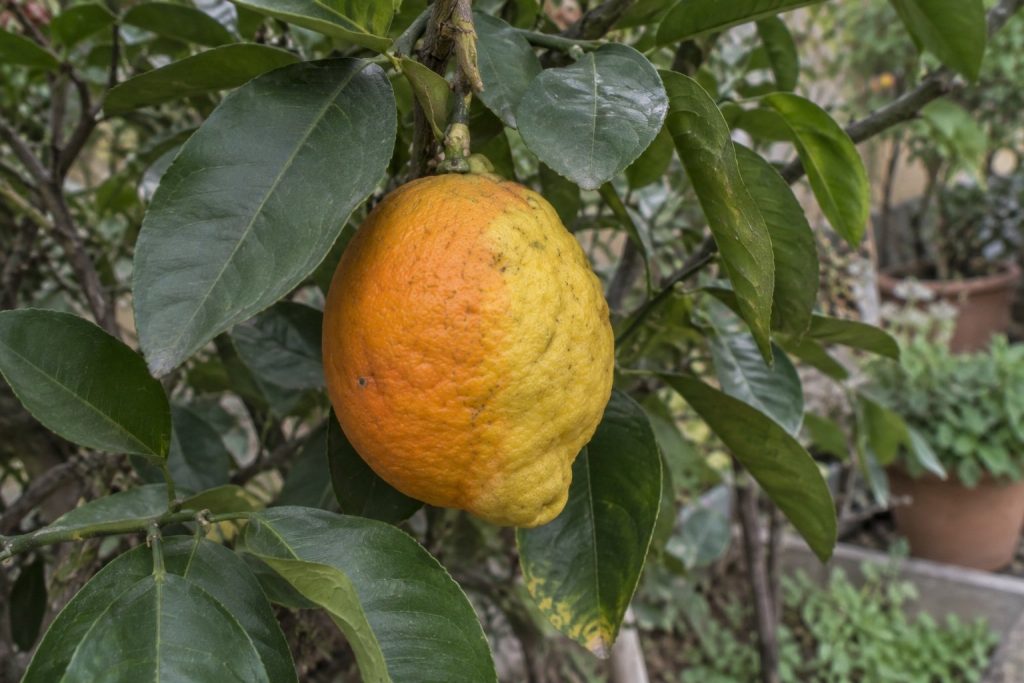
An unevenly colored yellow-orange citrus fruit hanging on a branch

Striatta ‘Bizzaria’ Bitter Orange

The Striatta Bitter Orange, also called Bizzaria di Firenze (Citrus aurantium ‘Striata’), is a famous botanical chimera discovered in the 17th century in a Medici garden in Florence. On a single tree it produces variegated fruits (striped orange, yellow, and green) that combine the characteristics of the bitter orange and the citron in varying proportions. Its hardiness reaches 14°F (−10°C) on the tree, with a USDA zone 8a climate benchmark kept in this entry, indicative and to be confirmed for the cultivated material. The tree can reach 10 to 13 ft (3 to 4 m) in the ground with an irregular, thorny habit, foliage sometimes itself variegated green and cream, and very fragrant white blossom in spring. Its exceptional striped fruits, medium-sized, with bumpy skin, ripen in winter. More ornamental than edible, but their candied peel and fragrant juice are prized by collectors. Graft onto Poncirus trifoliata, plant against a south wall. A historic collector’s piece.

Yellow citrus fruit hanging from garden branches

Taiwanica Lemon

The Taiwanica Lemon (Citrus taiwanica), also called Nansho-daidai, is the only true lemon to reach an exceptional hardiness of 5°F (−15°C) on the tree, which makes it suitable for in-ground growing up to USDA zone 7b. Native to the mountains of Taiwan, it was introduced to Japan, where it naturalized in cold regions. The vigorous tree reaches 10 to 13 ft (3 to 4 m) in cultivation according to catalogs, and up to 16 ft (5 m) according to the Bosc catalog, with an upright, thorny habit, aromatic evergreen foliage, and very fragrant white blossom in spring. Its green fruits turning yellow at full maturity, medium-sized, with thick, bumpy skin, ripen in winter with a very sour, fragrant juice suggesting a natural cross between lemon and bitter orange. Tolerates snow on the tree without damage. Excellent for juice, marinades, marmalade, and Asian cooking. Graft onto Poncirus trifoliata, plant against a south-southwest wall.

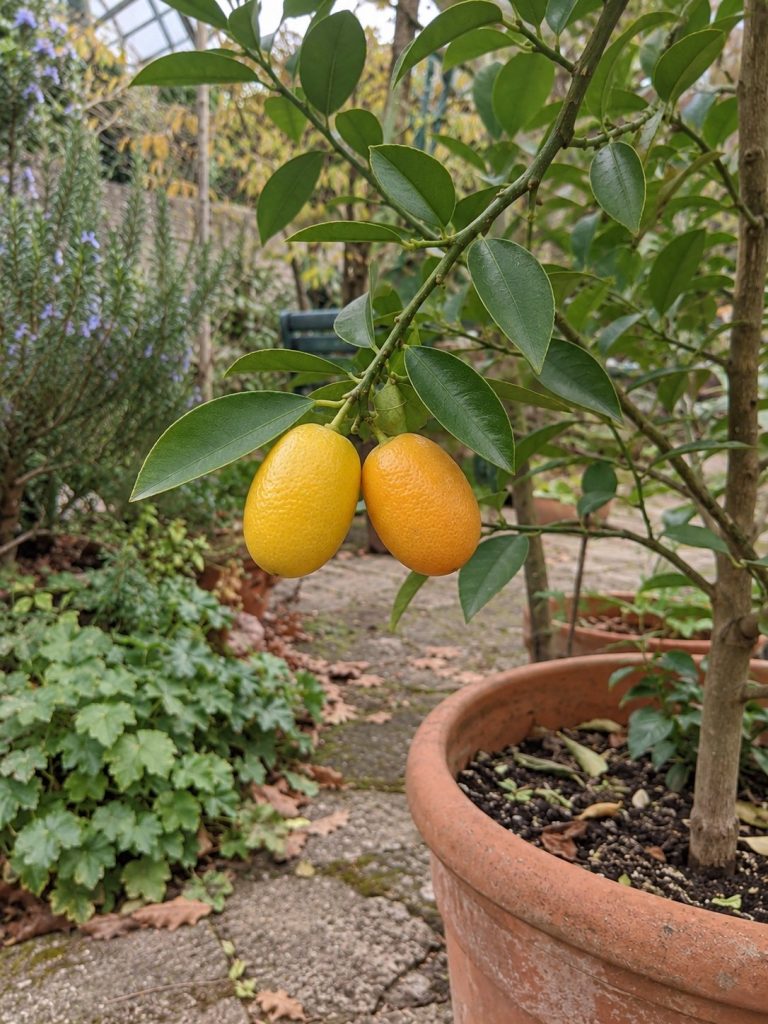
A small citrus plant bearing yellow fruit in a nursery pot

Procimequat

Origin: Procimequat is an extremely rare citrus hybrid, the result of an experimental program led by Eugene May within the […]

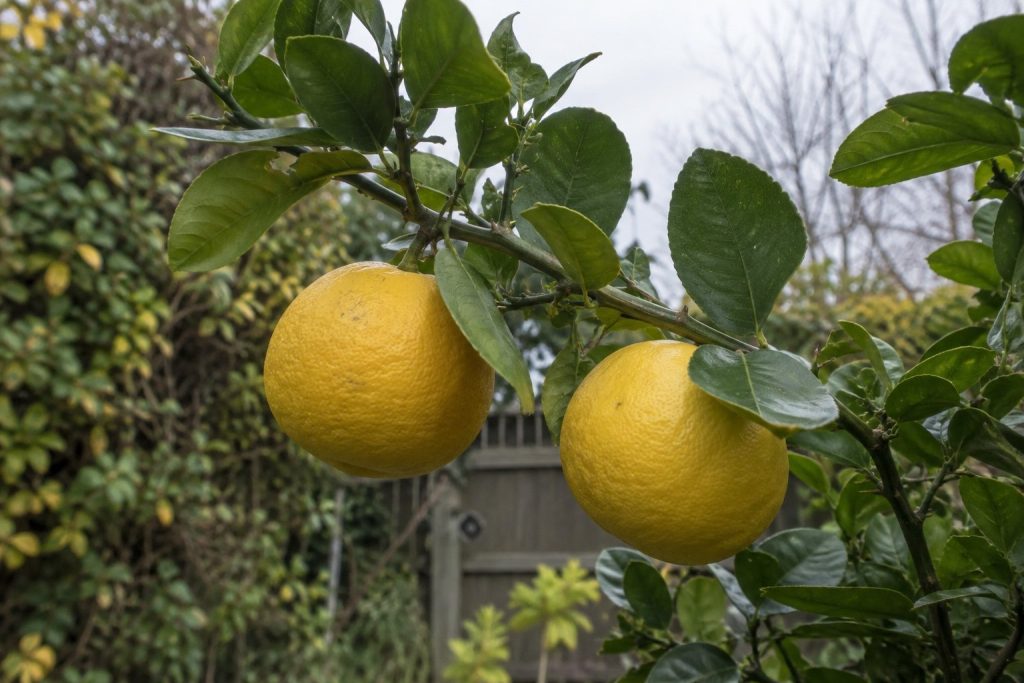
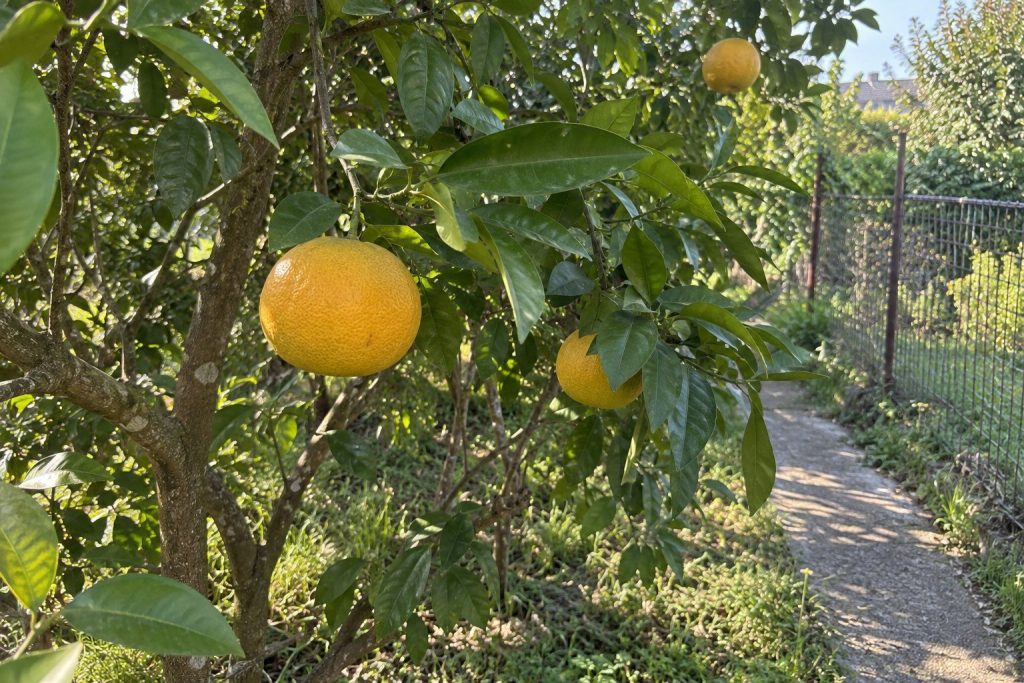
Yellow citrus fruit hanging in a sunlit garden

Hassaku

Hassaku (Citrus × hassaku) is a Japanese hybrid between pummelo and bitter orange from Innoshima Island in Hiroshima Prefecture, a classic of Japanese winter cooking. Its tree hardiness reaches 12°F (−11°C), making it suitable for in-ground growing in USDA zone 8a-8b. The vigorous tree reaches 10 to 16 ft (3 to 5 m) with an imposing rounded habit, evergreen foliage, and very fragrant white flowers in spring. Its golden-yellow fruit, large at 8.8 to 14.1 oz (250 to 400 g) with thick, rough skin, ripen in winter-spring (February-April) and offer slightly bitter flesh with a balanced acidity and a complex aroma blending pummelo and bitter orange. Excellent fresh for enthusiasts of pronounced flavors, in juice, and in marmalade. Graft onto Poncirus trifoliata, plant against a south wall, well-drained soil.

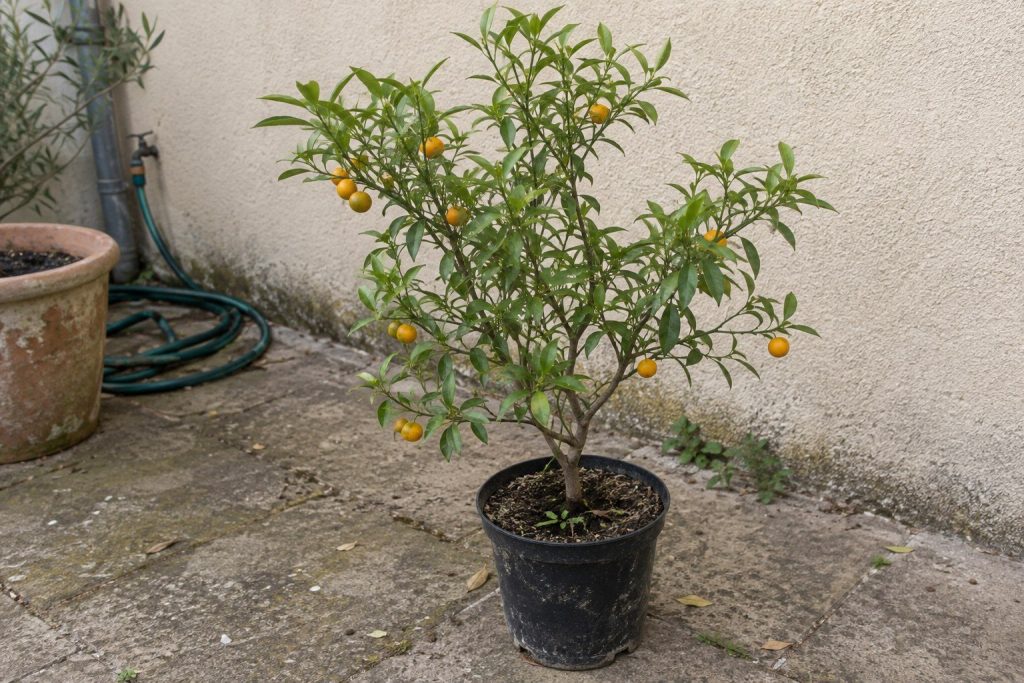
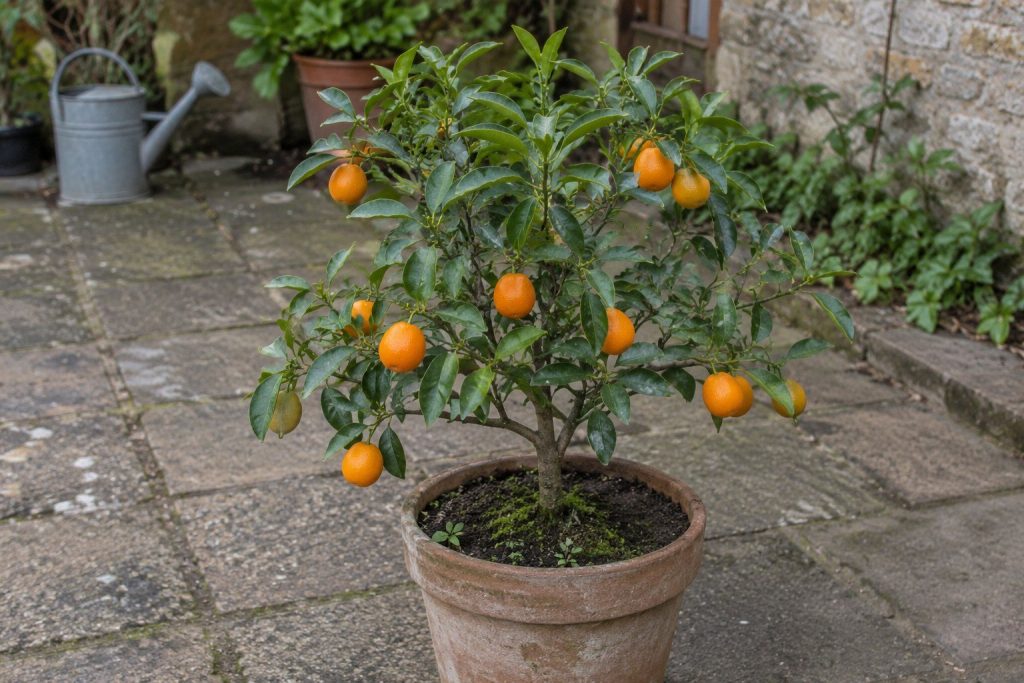
A potted citrus plant bearing orange fruit on a patio

Orangequat

Orangequat (Citrus sinensis × Fortunella margarita) is a hybrid between the sweet orange and the Nagami kumquat, selected to combine the sweetness of the orange with the edible skin of the kumquat. The hardiness reference retained for the tree is 14°F (−10°C), to be read in light of the individual plant and its microclimate. The compact tree reaches 7 to 10 ft (2 to 3 m) with a rounded habit, glossy evergreen foliage, and very fragrant white flowers in spring. Its bright orange fruit, small to medium at 1.8 to 2.8 oz (50 to 80 g), with thin, soft, fragrant skin, ripen in winter and offer a unique taste experience combining pulp as sweet as an orange and crunchy sweet skin like a kumquat, to be eaten whole like kumquats. Excellent candied, in marmalade, and fresh for enthusiasts. Very ornamental. Graft onto Poncirus trifoliata, plant against a south-facing wall.

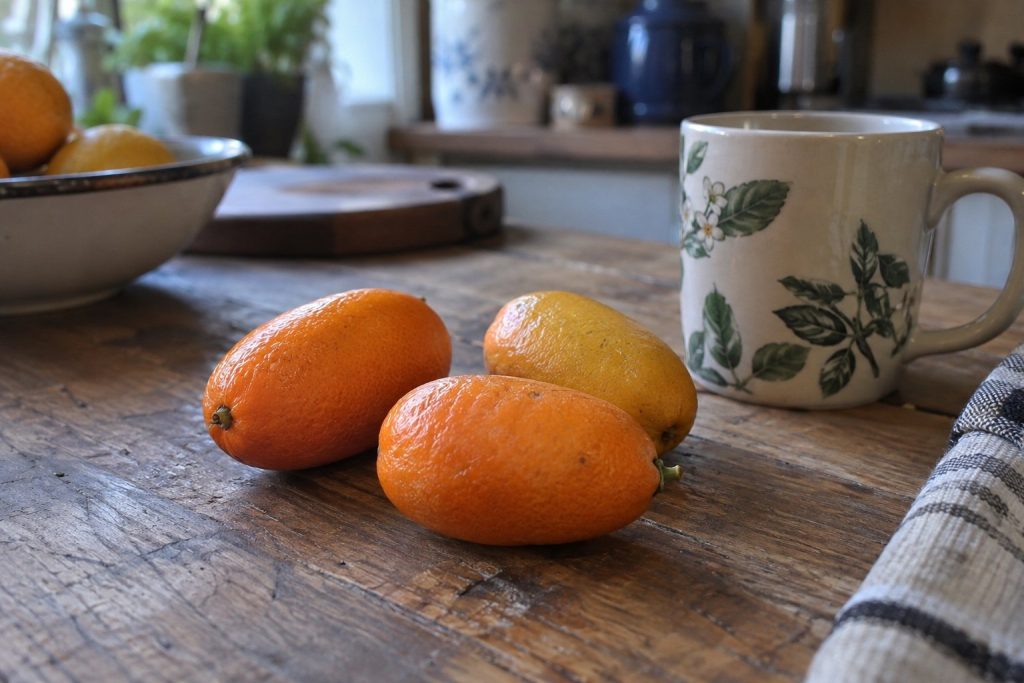
Three elongated orange citrus fruit beside a mug

Giganteum Kumquat

Origin: The Giganteum kumquat is a selection of Fortunella margarita (Nagami kumquat) obtained for its particularly generous fruiting of large […]

Scroll to Top