Cold hardiness
14°F (−10°C)
Identity
OriginItaly (Florence, 1644)
Genetic originSpontaneous plant chimera between a bitter orange (Citrus aurantium) and a citron (Citrus medica), discovered in the Medici gardens in Florence
USDA zone8a
Cold hardiness14°F (−10°C)
Fruit cold hardiness27°F (−3°C)
GrowthModerate
Height13 ft (4 m)
HarvestJanuary, February, December
SeedsModerate
UsesCandied fruit, Juice, Liqueur, Preserves, Savory cooking
FlavorsBitter, Sour, Sweet, Highly aromatic
History & Description
Origin
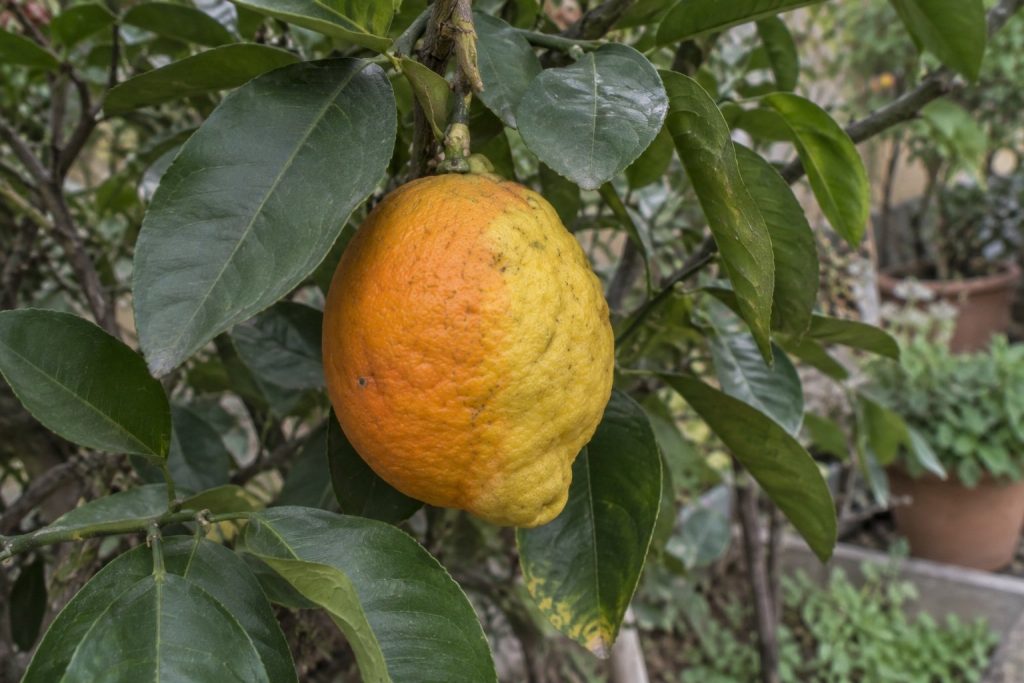
The Striatta 'Bizzaria' Bitter Orange is one of the most fascinating botanical curiosities in citrus history: a spontaneous plant chimera, that is, a plant whose tissues result from the genetic fusion of two distinct species, in this case a bitter orange (Citrus aurantium) and a citron (Citrus medica). This extremely rare chimera was discovered in 1644 by the gardener Pietro Nati in the gardens of the Medici villa of Pratolino, near Florence, when he observed that a grafted tree was simultaneously producing bitter orange fruits, citron fruits, and above all "chimeric" fruits striped lengthwise, mixing the tissues of both parents in an extraordinary mosaic. The name "Bizzaria" (from the Italian meaning "oddity, eccentricity") was given to it in reference to the genetic strangeness of the specimen, and it quickly became a centerpiece of aristocratic European citron collections. Almost lost in the 20th century and then found in a few rare Italian botanical gardens, the Bizzaria is now experiencing a renaissance thanks to a few specialized nurseries such as Agrumerie Vessière, which propagate it for enthusiasts fascinated by this living object on the border between art and biology.Tree description
The Bizzaria forms a tree of moderate, balanced vigor, reaching 10 to 13 ft (3 to 4 m) at maturity, with a harmonious habit and evergreen foliage of a glossy green. Its unique morphological trait lies in the leaves themselves, which sometimes show variegated or striped sectors attesting to the chimeric nature of the plant. Growth is steady and the tree very productive. Its hardiness, documented at 14°F (−10°C) on Citrumelo 4475, FA5, or Poncirus rootstock, makes it a bitter orange suited to zone 8a, compatible with most French gardens from the southwest to the northwest.Fruit quality
The fruits, medium-sized, display a visual spectacle with no equivalent in the citrus world: on a single tree one can see fruits that are entirely yellow (citron type), others entirely orange (bitter orange type), and above all the famous variegated chimeric fruits, bearing lengthwise bands alternating the thick, rough peel of the citron and the smooth, orange skin of the bitter orange. The taste combines the sharp acidity, refined bitterness, and floral notes of both parents, offering a unique flavor complexity. Seeds are present in moderate quantity.Flavor and ornamental interest
Gastronomically, the Bizzaria suits the traditional uses of the bitter orange (refined marmalades, liqueurs with a noble bitterness such as Curaçao or an artisanal Grand Marnier, aromatic vinaigrettes, sauces for meats and fish) as well as those of the citron, notably candied fruit and Italian pastries. But its main interest is ornamental and heritage-based: few citrus offer at once historical botanical interest, an extraordinary visual spectacle, and culinary versatility. To own a Bizzaria is to grow a living page of European gardening history, from the Italian baroque to the Medici greenhouses, in a contemporary amateur's garden.
Back to the collection
Updated: