A sour orange tree in a container or in the ground?
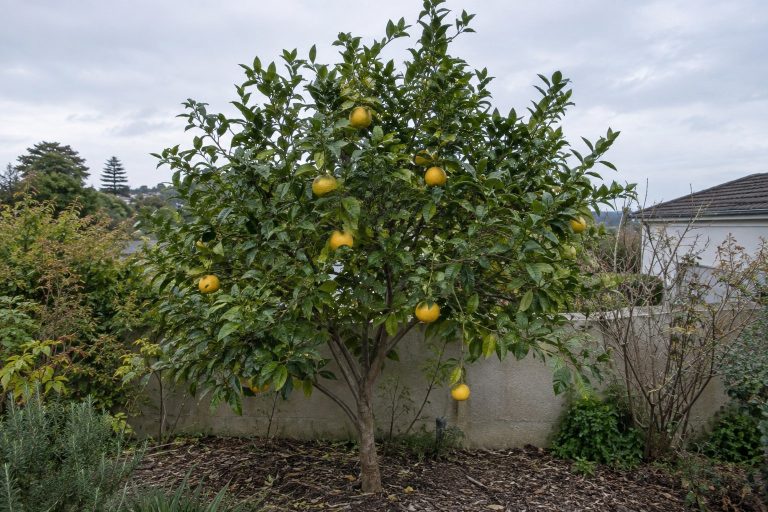
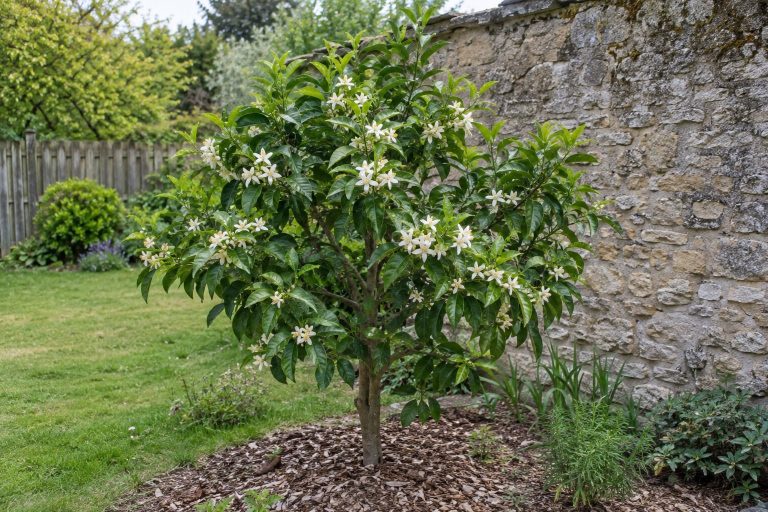
A sour orange can become a large tree: plan its space before buying. In a climate with freezes, a movable container lets you arrange overwintering. In-ground growing requires a bright, sheltered location, well-drained soil and a plant choice consistent with the winters actually observed on site.
In the British context, the RHS advises container growing in a greenhouse or conservatory. This recommendation highlights the value of preparing shelter in advance. Check the width of access routes: a tree that has become heavy will be difficult to move.
References: RHS — Citrus × aurantium
Caring for the tree and watching for suckers
Locate the graft union and remove shoots that arise below it. They belong to the rootstock and can compete with the chosen variety. A strong thorny shoot should therefore not automatically be retained to enlarge the canopy: first look at where it originates.
Under shelter, watch for scale insects and mites, which the RHS reports on sour orange. Adjust watering to substrate drying and fertilizer to growth. Regular severe pruning is not necessary to keep citrus productive.
References: RHS — Citrus × aurantium · UC Cooperative Extension — Citrus questions · UC IPM — Cultural Tips for Growing Citrus
Is sour orange cold tolerant?
Sour orange’s reputation for cold tolerance does not remove the need to protect a young plant. Cold acts differently depending on acclimation, freeze duration and the exposed organs. A damaged crop and a tree capable of regrowing represent two different outcomes; a survival threshold does not promise intact fruit.
UF/IFAS notes that the rootstock affects damage without making the tree invulnerable. For a container plant, prepare to move the entire plant along with its container.
References: UF/IFAS — Citrus Cold Protection · UF/IFAS — Freeze Damage Symptoms and Recovery for Citrus · UC Cooperative Extension — Citrus in the Sierra Nevada Foothills
What can you do with bitter oranges and flowers?
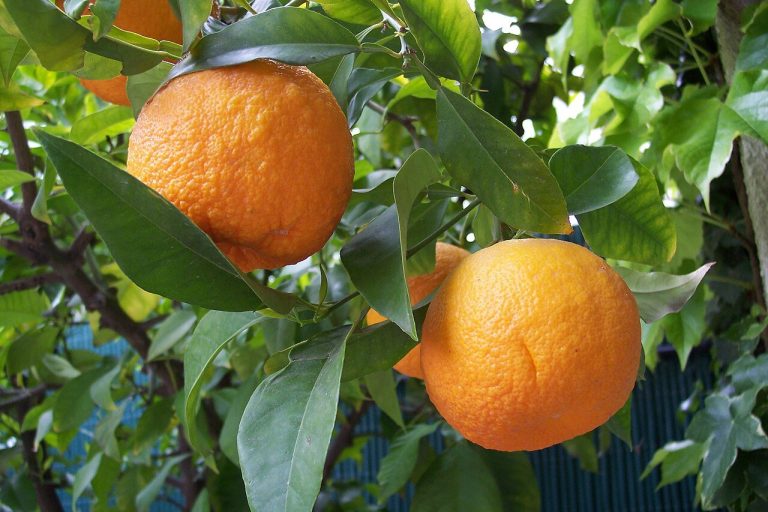
Sour orange adds bitterness, acidity and peel fragrance to preparations. Marmalade is its classic use. The flowers also have a place in perfumery: UCR notes their use in producing neroli. Choosing a tree can therefore begin with a floral use as much as a fruit use.
Taste a sample before preparing an entire batch: the recipe changes the final balance. The winter ripening described for Seville at Riverside is a Californian observation; it does not establish a French harvest date.
References: UCR — Seville sour orange, CRC 3856 · UCR — Bouquet de Fleurs, CRC 571 · UC Master Gardeners — Growing Great Citrus
Bitter orange, sweet orange and rootstock
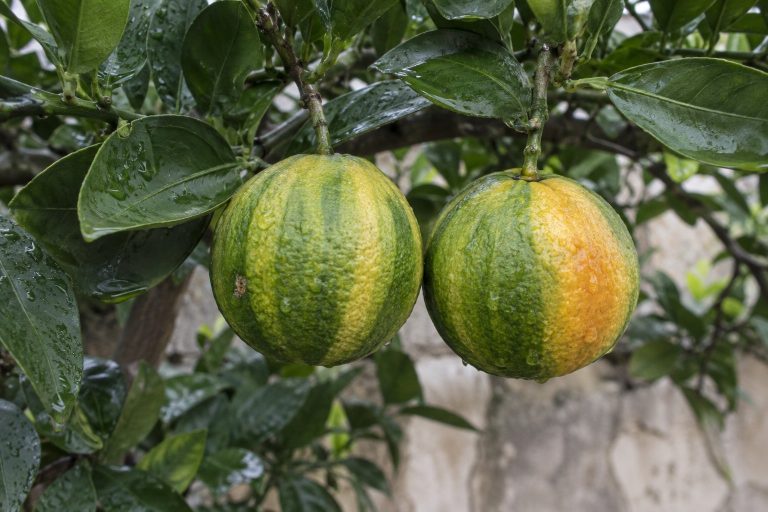
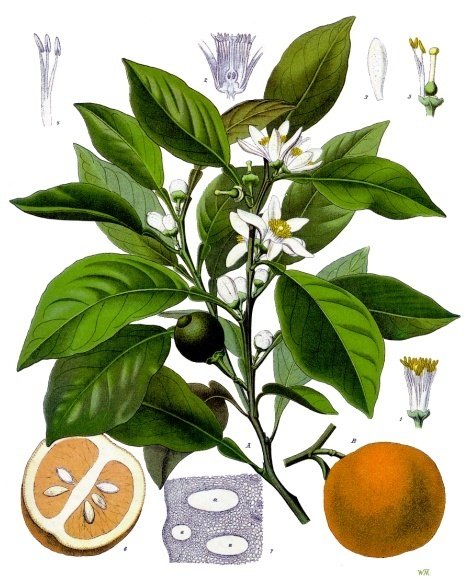
Sour orange is generally designated Citrus × aurantium. Research presented by INRAE links it to a cross between pummelo and mandarin. It is distinct from sweet orange. Its historical use as a rootstock describes a horticultural function; it can also be grown for its own flowers and fruit.
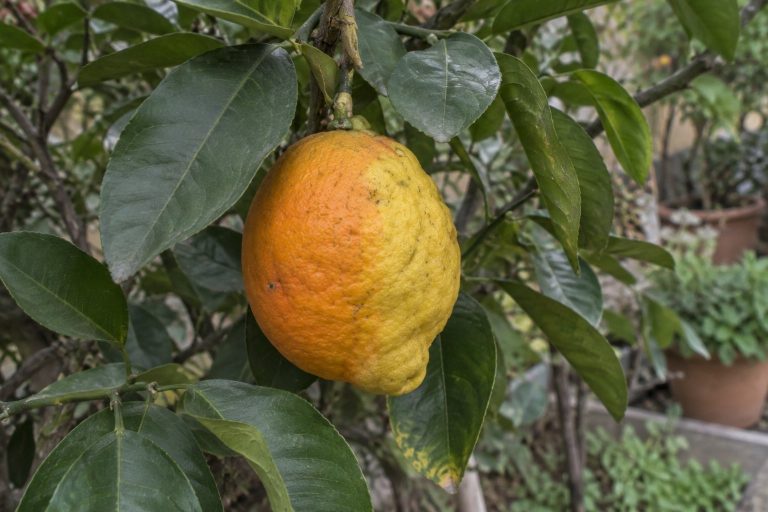
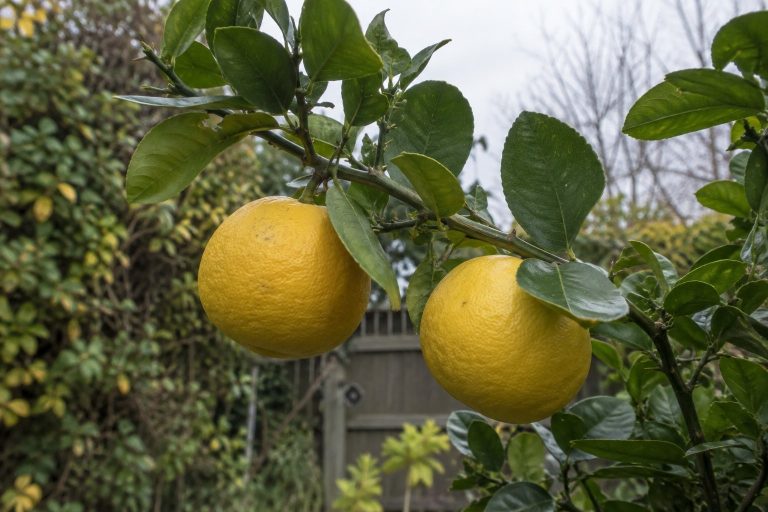
UCR describes Nansho Daidai separately under Citrus taiwanica. The word “lemon” in a commercial name is therefore insufficient to identify it as a lemon tree. Compare the botanical name, variety name and plant origin.
References: UCR — Seville sour orange, CRC 3856 · UCR — Nansho Daidai, CRC 2588 · INRAE — Citrus fruit diversity
Frequently asked questions about sour orange trees
Can you eat sour orange fruit?
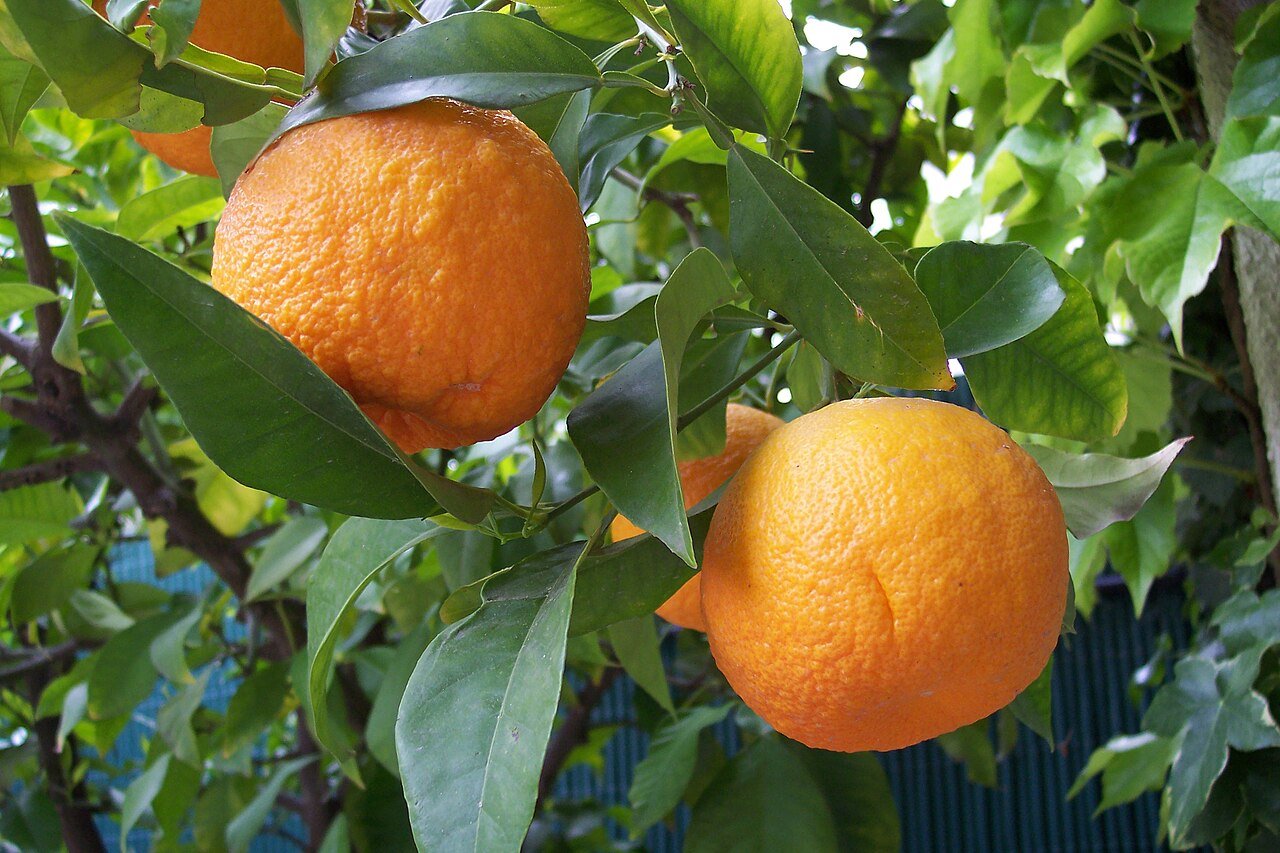
Yes, bitter orange is a culinary fruit, particularly for marmalade. Its acidity and bitterness distinguish it from a sweet orange for fresh eating. Choose the preparation according to the fruit you actually harvest.
Does a bitter orange become sweet as it ripens?
Ripeness does not turn it into a sweet orange. UCR describes ripe Seville fruit as acidic and bitter. The desired appeal is often precisely this character, combined with the peel’s fragrance.
Can you keep a sour orange tree in a container?
Yes, with a well-drained container and a suitable overwintering space. Above all, anticipate the tree’s growth and the container’s weight: being able to move it matters as much as the space available in summer.
Is a sour orange tree necessarily a rootstock?
No. Sour orange can be the tree from which you harvest fruit or flowers. It can also provide the roots for another citrus grafted onto it. Ask which part of the plant bears the stated name.
Should all thorny branches be removed?
No, thorns are among the characteristics of many sour orange trees. On a grafted tree, a shoot’s origin below the graft union is the main reason to remove it, rather than the presence of thorns alone.
Is Nansho Daidai a yellow lemon variety?
UCR describes it under Citrus taiwanica among sour oranges and their relatives. Its yellow, acidic fruit may explain the confusion, but these traits do not make it identical to the lemon tree Citrus × limon.
Sources and method
A documentary synthesis from the encyclopedia, published by Léo, an amateur gardener on the Arcachon Basin, in USDA zone 8b. The sources distinguish uses of the fruit, flower and rootstock. Botanical names and commercial names are treated separately when their equivalence remains uncertain. The cited sources are documentary; this page does not report a personal freezing trial.
- UCR — Seville sour orange, CRC 3856
Bitter orange, marmalade, flowers and neroli, ripening at Riverside and use as a rootstock.
- UCR — Bouquet de Fleurs, CRC 571
Floral use in perfumery; this accession does not prove synonymy with Bouquetier de Nice.
- UCR — Nansho Daidai, CRC 2588
Citrus taiwanica, yellow acidic and bitter fruit, thorny tree and distinction from lemon.
- RHS — Citrus × aurantium
Growth habit, thorns, container growing, sheltered exposure, drainage and pests under shelter; British context.
- UC Cooperative Extension — Citrus questions
Graft union, rootstock shoots and competition with the scion.
- UC IPM — Cultural Tips for Growing Citrus
Moderate pruning and removal of shoots below the graft union.
- UF/IFAS — Citrus Cold Protection
Young trees, rootstock effects and protection limits; Florida context.
- UF/IFAS — Freeze Damage Symptoms and Recovery for Citrus
Freeze duration, acclimation, symptoms and waiting before recovery pruning.
- INRAE — Citrus fruit diversity
Sour orange genetic origin and distinction between citrus groups.
- UC Master Gardeners — Growing Great Citrus
Container citrus growing and uses of sour oranges; Santa Clara, California context.
- UC Cooperative Extension — Citrus in the Sierra Nevada Foothills
Moving containers, age, acclimation, fruit ripening and microclimate; Californian context.