Cold hardiness
14°F (−10°C)
Identity
OriginItaly (Rome)
Genetic originOrnamental cultivar of Citrus aurantium with striped, fasciated fruit
USDA zone8a
Cold hardiness14°F (−10°C)
Fruit cold hardiness27°F (−3°C)
GrowthModerate
Height13 ft (4 m)
HarvestJanuary, February, December
SeedsModerate
UsesLiqueur, Preserves, Sweet cooking
FlavorsBitter, Pronounced bitterness, Highly aromatic
History & Description
Origin
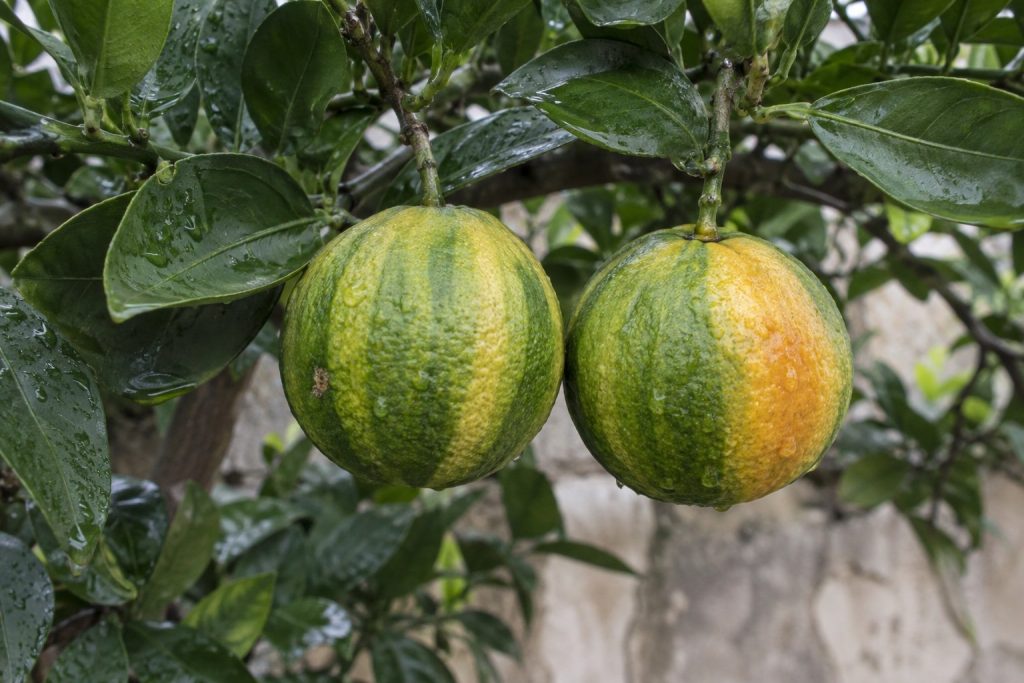
Vatican bitter orange (Citrus aurantium 'Fasciata') is a remarkable ornamental and culinary cultivar of the bitter orange, famous for its fruit with skin striped green and yellow when young, irresistibly evoking the striped uniforms of the Vatican's Swiss Guards, before turning orange and yellow at full maturity with persistent stripes and a distinctive wrinkled texture. This old variety, probably grown for centuries in the papal gardens of Rome, belongs to the group of fasciated bitter oranges, renowned for their exceptional ornamental quality as much as for their culinary qualities. The bitter orange (Citrus aurantium) is itself an ancestral hybrid between Citrus maxima and Citrus reticulata, introduced to the Mediterranean in the 10th century by the Arabs along the Silk Road. Its hardiness of 14°F (−10°C) allows it to be grown in zone 8a gardens.Tree description
Tree of moderate vigor, reaching 10 to 13 ft (3 to 4 m) in the ground in Mediterranean regions. Dense, dark green, glossy evergreen foliage. Very fragrant white bloom in spring, abundant and very decorative. Balanced, productive habit, moderately vigorous.Fruit quality
The fruit is especially decorative when young: striped green and yellow like the uniforms of the Vatican's Swiss Guards, it gradually turns orange with persistent yellow stripes at maturity, developing a characteristic wrinkled texture. The skin is bitter and aromatic, the pulp not very juicy and bitter, as is typical of bitter oranges. The harvest takes place from December to February.Flavor and ornamental interest
Vatican bitter orange is valuable for bitter orange jam in the style of English marmalade, artisanal liqueurs, and pastry preparations. Its very fragrant flowers are harvested for the artisanal distillation of orange blossom water. Its striped fruit is very ornamental at every stage of ripening, making it a sought-after collector's citrus. A majestic and very ornamental tree for Mediterranean and mild Atlantic gardens.
Back to the collection
Updated: